


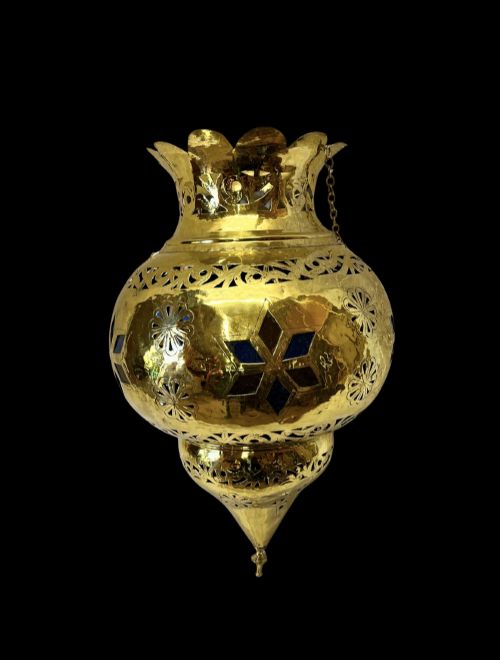


Oriental Metal Lamp
An oriental metal lamp brings layered history and rich texture to a room, drawing the eye with its intricate craftsmanship.
Oriental Metal Lamp
When you search for an oriental metal lamp, you are looking at lighting fixtures that draw upon design traditions from across Asia and North Africa, adapted for Western interiors over the past two centuries. These pieces encompass table lamps, oil lamps, and pendant lights fashioned from durable metals.
On this page, the pieces you are most likely to meet range from Victorian and Edwardian examples to items from the 1910s, 1920s, and 1930s. Styles stretch across Chinoiserie, the Japanese Meiji period, Anglo-Indian, Moorish Revival, Orientalist, and French Chinoiserie traditions.
The forms vary from converted vases and oil lamps to standard table lamps and lanterns. Makers and artisans utilised diverse regional motifs, resulting in objects that function both as practical light sources and as decorative focal points.
How they were made
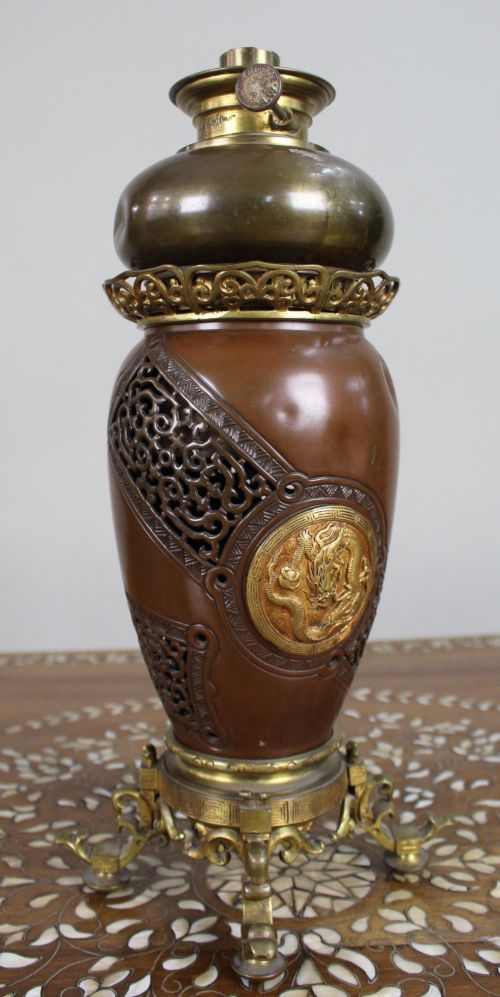
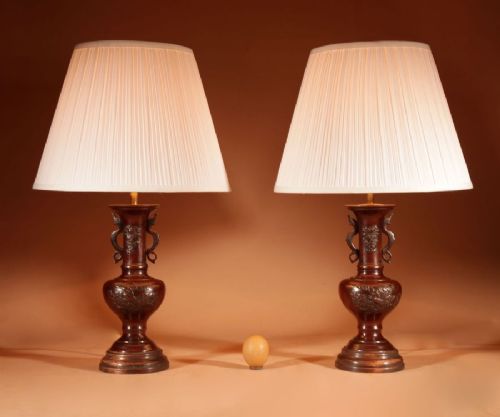
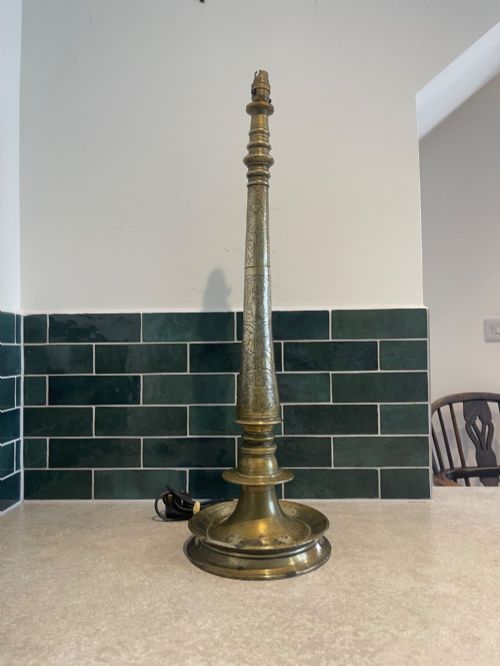
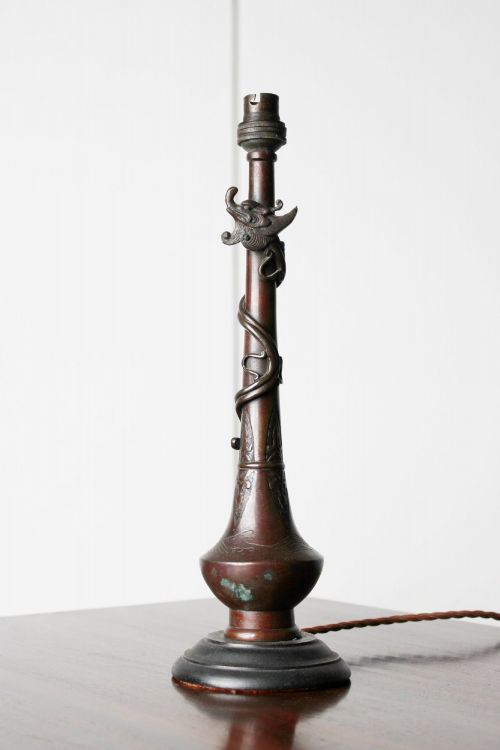
Makers shaped these pieces using metals such as brass, bronze, copper, gilded metal, and patinated white metal, frequently employing casting and pressing techniques. Many examples incorporate enamel work, notably cloisonné, or feature applied lacquer and painted details.
Construction methods often involved combining metal bases with fabric shades or glass elements, while older pieces designed for oil were later converted to electricity. The application of patination, verdigris, or gilding served to enhance the visual depth of the metalwork.
Listings feature metalwork from the 19th century, Edwardian era, and the 1910s to 1930s, using materials like brass, bronze, copper, and cloisonné enamel.
What varies in quality
Quality in these pieces rests upon the crispness of the metal casting and the precision of surface decoration, such as hand-applied enamel or intricate chasing. Heavier, more substantial metal bodies generally indicate a higher grade of manufacture than lighter, pressed alternatives.
The integrity of the original surface finish, whether patinated bronze, gilded metal, or lacquered tôleware, dictates the enduring visual appeal. Finer examples maintain crisp detail in their decorative motifs and demonstrate careful integration of mounts and fittings.
The Oriental Metal Lamp Glossary
- Cloisonné
- Enamelwork created by pouring coloured glass pastes into compartments formed by soldered metal wires on a metal base. This technique produces vibrant, patterned surfaces often seen on converted vases used as lamps.
- Chinoiserie
- A European artistic style reflecting Chinese aesthetic influences, prominent in furniture, ceramics, and metalwork during the eighteenth and nineteenth centuries. It relies on fanciful depictions of Asian landscapes and figures.
- Patination
- The natural or artificially induced ageing of a metal surface through oxidation, handling, and wear. A desirable patina adds depth and character to bronze, brass, or copper objects.
- Ormolu
- Gilded bronze mounts or decorative elements applied to furniture, vases, and lamps, particularly popular in French decorative arts. The process involves coating bronze with a mercury and gold amalgam.
Oriental Metal Lamp: Frequently Asked Questions
Can I safely rewire an antique lamp?
Rewiring vintage lighting is standard practice to ensure it meets modern safety standards. A qualified electrician can replace old cords and lamp holders while preserving the original metal body.
Retaining original switches or plugs where possible maintains the historical integrity of the piece while ensuring safe daily use.
What is the difference between Chinoiserie and Japanese Meiji pieces?
Chinoiserie is a European interpretation of Chinese artistic motifs, often playful and imaginative. Meiji pieces originate directly from Japan during a specific era of highly refined metalworking and bronze casting.
Meiji items typically display authentic Japanese flora, fauna, and narrative scenes, whereas Chinoiserie reflects Western fantasies of Asian aesthetics.
How should I clean a brass or bronze lamp?
Cleaning should be limited to gentle dusting with a soft, dry cloth to protect the surface finish. Avoid harsh chemical cleaners or abrasive polishes that can strip away the historic patina.
If the metal requires more attention, consult a specialist to ensure the patination or gilding is not damaged during the process.
Where were these lamps originally placed in a home?
Many of these pieces began as oil lamps, lanterns, or decorative vases before conversion into table lighting. They sat on side tables, desks, or mantelpieces in reception rooms to provide ambient light.
Today, they serve a similar decorative purpose, bringing warmth and historical character to living spaces and studies.