



Oriental Low Stool
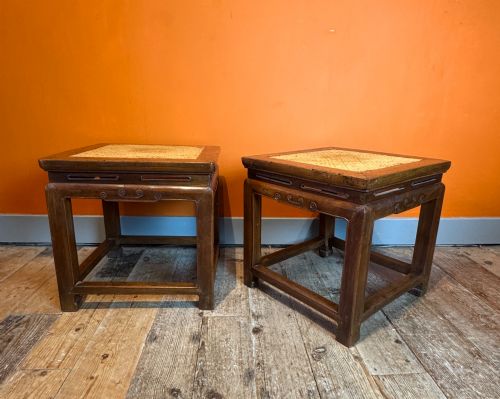
These low oriental low stool examples bring dense timber, lacquer, and inset stone into rooms that need a steady, low surface.
Oriental Low Stool
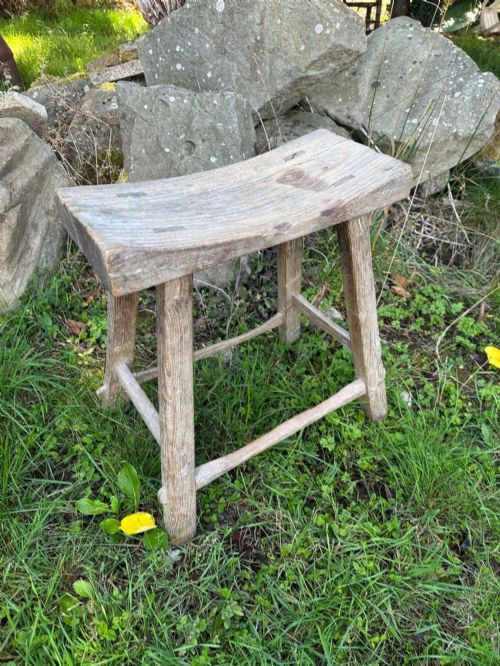
When searching for an oriental low stool, you encounter low tables, benches, and footstools that cross centuries and regional workshops. These pieces serve multiple domestic roles, functioning as coffee tables, plant stands, and window seats.
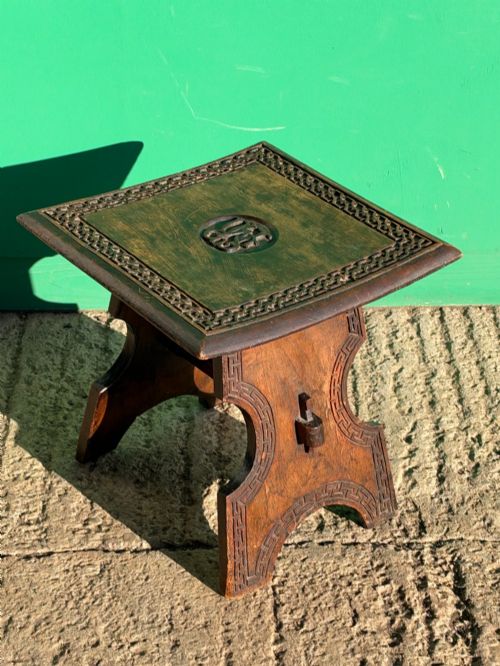
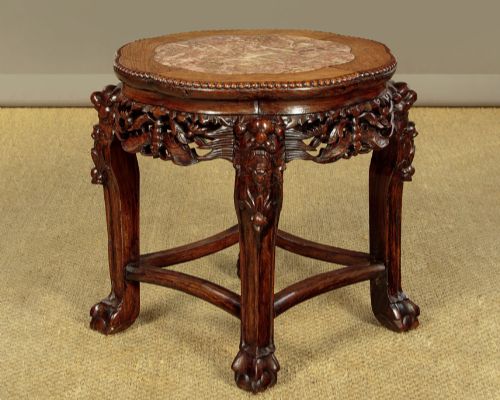
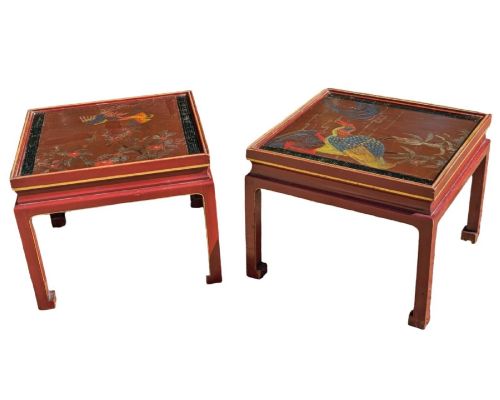
The items found here span the nineteenth century through the nineteen-thirties, drawing on Chinese Qing Dynasty traditions alongside Edwardian chinoiserie and Batavian baroque interpretations. Hardwoods, lacquered surfaces, and marble tops dominate the forms currently listed on the page.
Materials and construction
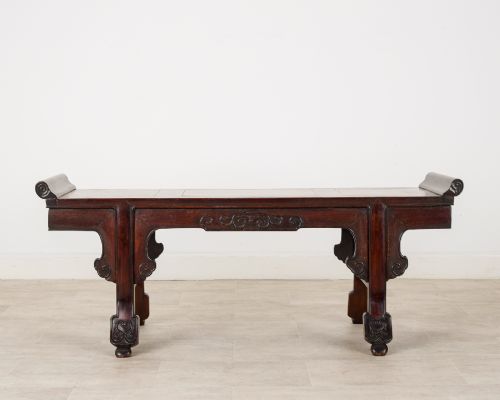
Makers utilised dense timbers such as huali and hongmu, shaping them into carved frames, altar benches, and barrel-form stands. These hardwoods provide structural weight without requiring excessive height.
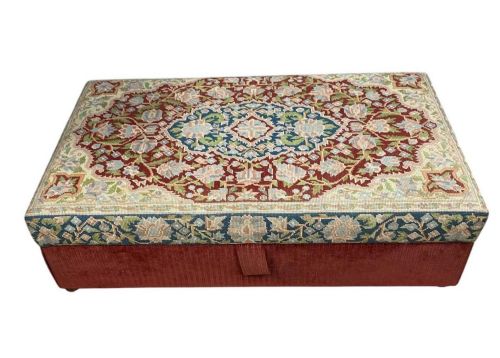
Surfaces receive decorative treatments including black lacquer and inset porcelain panels, while other examples incorporate wool tapestry and textile upholstery over low wooden frames.
Oriental Low Stool Retail Price Guide 2026
Typical asking prices for oriental low stool among the pieces listed under this phrase on Sellingantiques today, from the lower quarter to the upper quarter. They describe what is for sale here now, not the wider market.
An Indian wedding chair makes an unexpected low seat by the fire.
Separating the ordinary from the exceptional
The standard of carving dictates much of the distinction between basic utility pieces and finer decorative works. Crisp detail in floral or geometric motifs indicates superior bench and table production.
Material integration also separates pieces, particularly where marble inserts or porcelain panels fit flush into hardwood frames. Intact lacquer and well-preserved joinery reflect the underlying competence of the original workshop.
The Oriental Low Stool Glossary
- Hardwood
- Dense, slow-growing timber such as hongmu or huali used for structural durability. These woods resist heavy wear and take fine carving.
- Chinoiserie
- European decorative style imitating Chinese artistic traditions. It appears frequently in Edwardian interpretations of oriental forms.
- Lacquer
- Protective and decorative resin finish applied in multiple layers. It yields a smooth, glossy surface often seen on black-lacquered tables.
- Altar Bench
- Low wooden bench form adapted from temple furnishings. These pieces offer long, low seating or display surfaces.
Oriental Low Stool: Frequently Asked Questions
What rooms suit a low stool?
These pieces fit well in living spaces as low coffee tables or beside seating as display stands. Their compact height keeps sightlines open.
They also function effectively beneath windows as low seats or near entryways for resting items.
How do I clean lacquered wood?
Dust surfaces gently with a soft, dry cloth to prevent scratching the finish. Avoid chemical polishes that can degrade aged lacquer.
Keep pieces away from direct heat sources and strong sunlight to protect the wood and pigment integrity.
Are these pieces strictly seats?
Many items function interchangeably as seats, footstools, or low occasional tables. Their sturdy hardwood construction supports various domestic uses.
Some forms, such as barrel-form stands or plant stands, serve primarily for display rather than seating.
How do I identify a Qing piece?
Look for traditional Chinese joinery techniques and dense regional hardwoods like huali. Carved motifs often follow classical imperial or scholarly themes.
Cross-reference the construction with nineteenth-century examples to understand the typical weight and patination.