
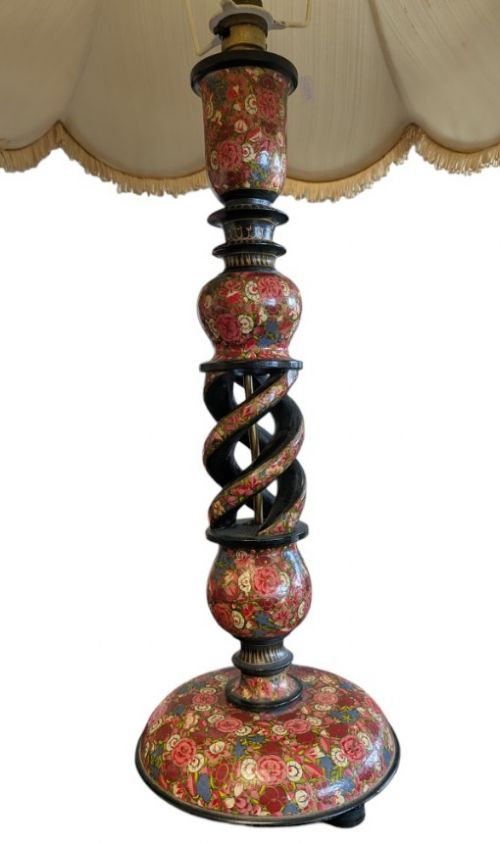


Oriental Lacquer Desk
Oriental lacquer desk choices range from 18th century bureaus to writing tables finished with hand-painted motifs.
Oriental Lacquer Desk
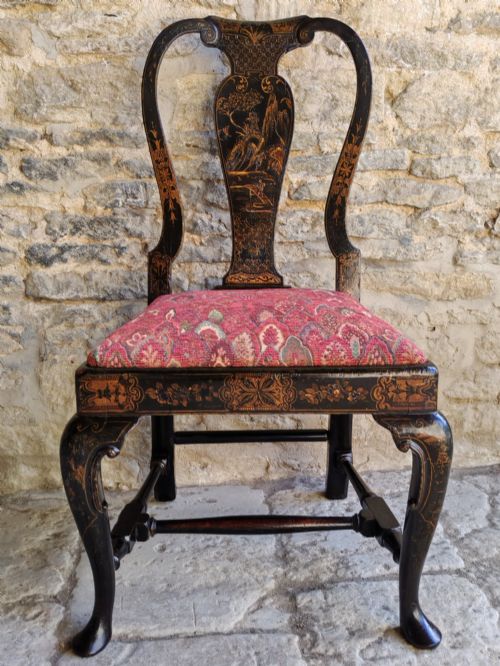
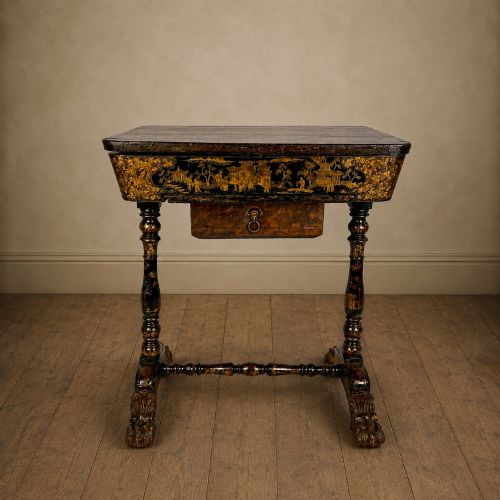
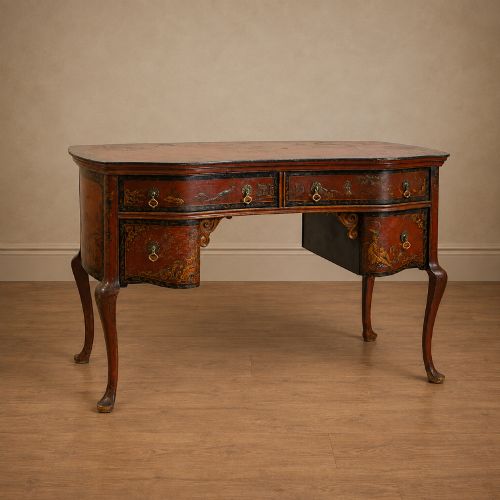
An oriental lacquer desk encompasses writing tables, bureaus, and scholar's desks produced across the 18th, 19th, and early 20th centuries. These pieces display finishes derived from Asian and European decorative traditions, notably Chinoiserie and Chinese Export styles.
Buyers browsing this selection frequently encounter 19th century writing desks and Edwardian or 1920s bureau bookcases finished in black, red, or green lacquer. Elm and other woods provide the structural foundation for many examples.
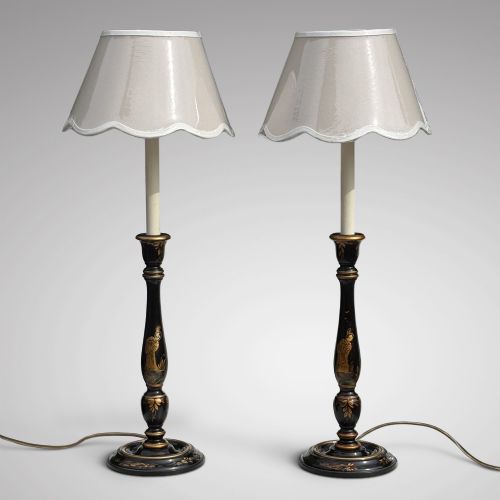
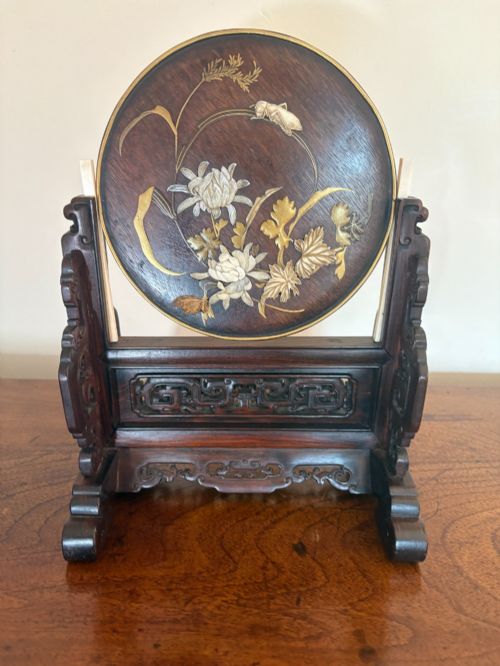
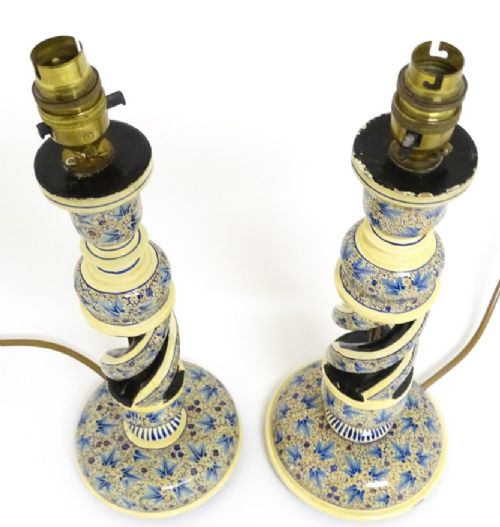
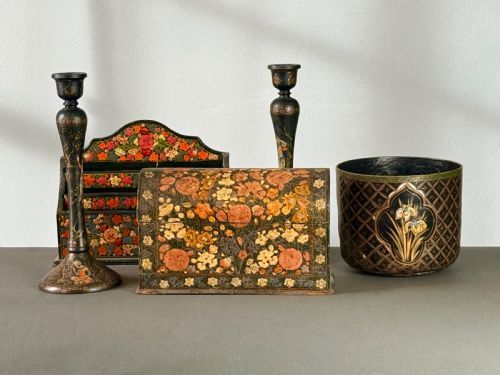
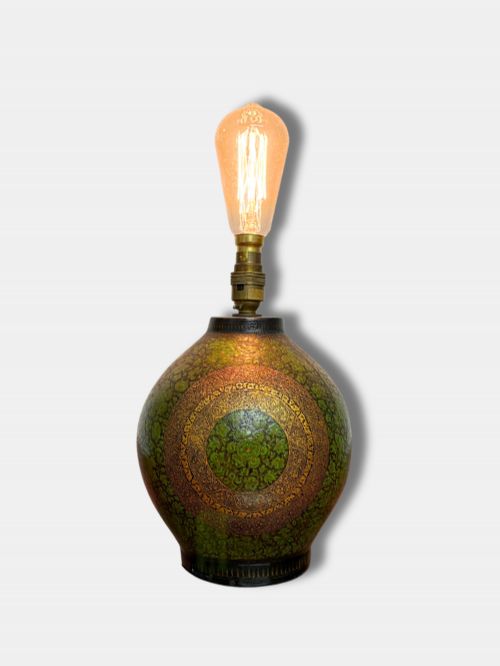
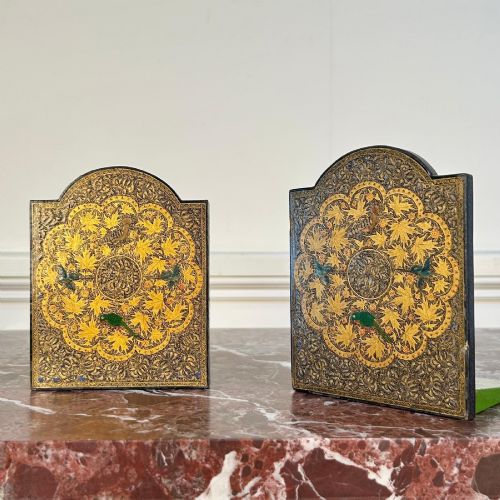
The assortment on this page also includes related items such as dressing tables, work tables, and desk accessories like letter racks and tidies. Each object demonstrates the enduring appeal of painted and lacquered wood surfaces in domestic interiors.
How they were made
Construction relies on timber foundations such as Chinese elm and other woods, shaped into writing furniture and table accessories. Brass hardware often provides functional hinges, handles, and decorative accents.
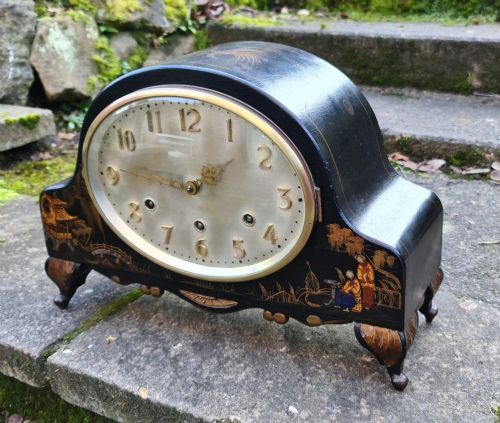
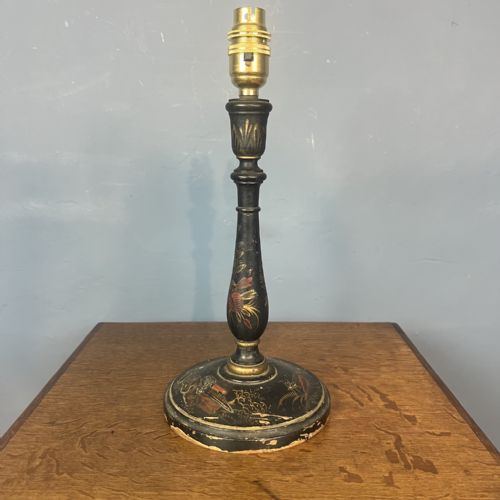
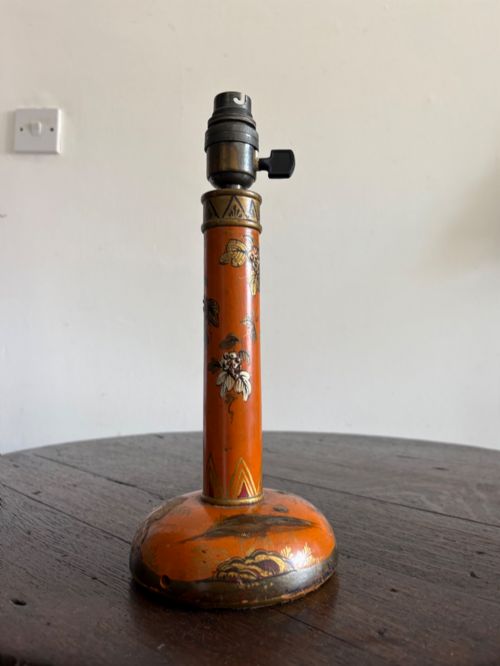
Surface decoration involves layers of lacquer applied to wood, frequently enriched with hand-painted details in gilt gold and various colours. Artisans utilised techniques associated with Chinoiserie, Kashmiri, and Chinese Export workshops to build up the glossy, ornate finishes.
Listings feature items spanning the 18th, 19th, and early 20th centuries, including Victorian, Edwardian, and 1920s periods.
What varies in quality
Quality depends on the depth and execution of the hand-painted decoration, where crisp lines and intricate gilt work distinguish finer examples from simpler production. The preservation of the original lacquer surface heavily influences the character of each piece.
Structural integrity of the underlying wood, whether elm or another timber, determines how well a bureau or writing table has survived decades of use. Superior joinery and intact brass fittings elevate the standing of an item within its period.
The Oriental Lacquer Desk Glossary
- Chinoiserie
- European interpretation and imitation of Chinese and East Asian artistic traditions, popular in furniture decoration. This style often employs raised motifs and gilt painting on a dark lacquer ground.
- Bureau
- A sloping-lid desk designed for writing, frequently fitted with internal pigeon holes and drawers. These pieces often feature fitted bookcases above the writing compartment.
- Elm
- A durable hardwood utilised extensively in traditional Chinese furniture making. It provides a strong structural base for writing tables and armchairs.
- Gilt
- Application of gold leaf or gold paint to highlight decorative elements on lacquer surfaces. This technique adds contrast and brilliance to black or coloured backgrounds.
- Scholar's desk
- A specialised writing table traditionally associated with literate elites in China. These forms emphasise simplicity, utility, and refined proportions.
Oriental Lacquer Desk: Frequently Asked Questions
What periods do these desks come from?
The selection includes pieces spanning from the 18th century through the Victorian era up to the 1920s and 1930s.
Earlier examples often reflect 18th century Chinese Export or early Chinoiserie tastes, while later items encompass Edwardian and 1920s interpretations.
How do I care for a lacquered writing surface?
Laundered wood and lacquer require gentle cleaning with a soft, dry cloth to remove dust.
Avoid placing these items in direct sunlight or near heat sources to prevent the lacquer finish from cracking or fading over time.
Are these pieces made of solid wood?
Many items utilise traditional timbers such as Chinese elm for their primary structural framework.
The wooden core is then built up with multiple layers of lacquer and painted decoration.