





Oriental Lacquer Art
Oriental lacquer art brings together deep wood surfaces, polished resin finishes and intricate hand-painted scenes from across Asian and European workshops.
Oriental Lacquer Art
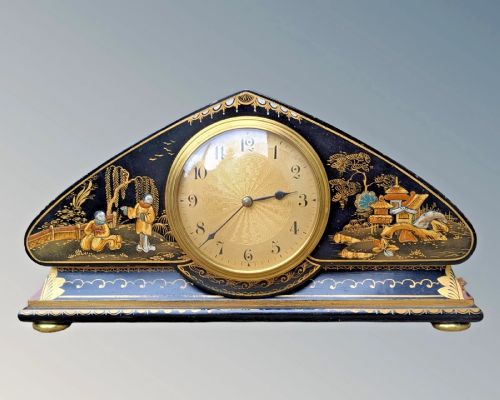
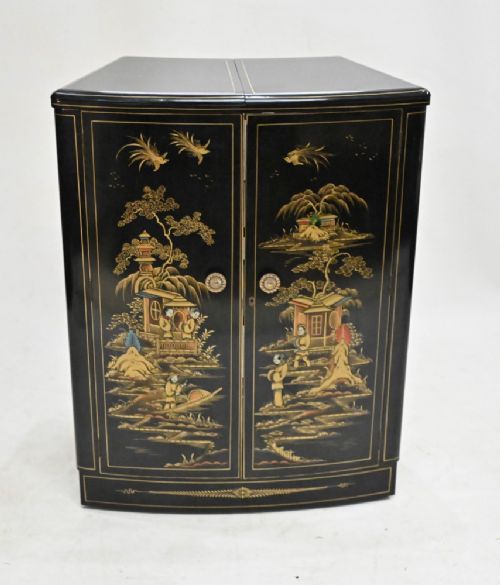
Oriental lacquer art encompasses items designed for interior display and daily utility, ranging from wall plaques and panels to mantel clocks, tables, and drinks cabinets. When exploring oriental lacquer art, buyers commonly encounter pieces originating from nineteenth-century productions alongside Edwardian and Art Deco interpretations.
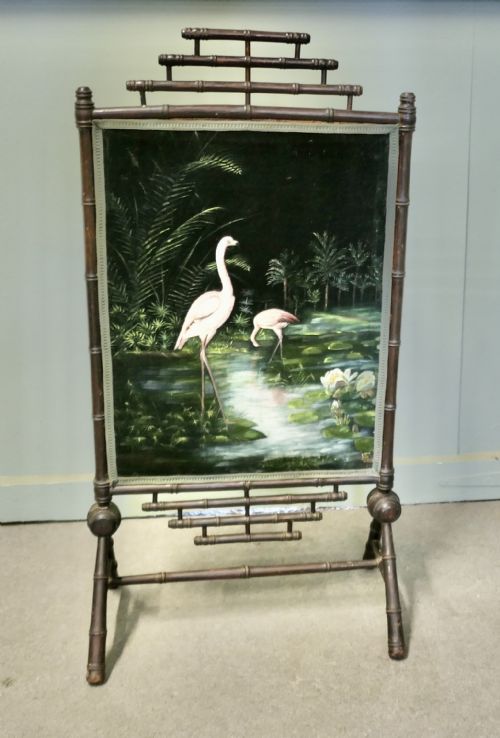
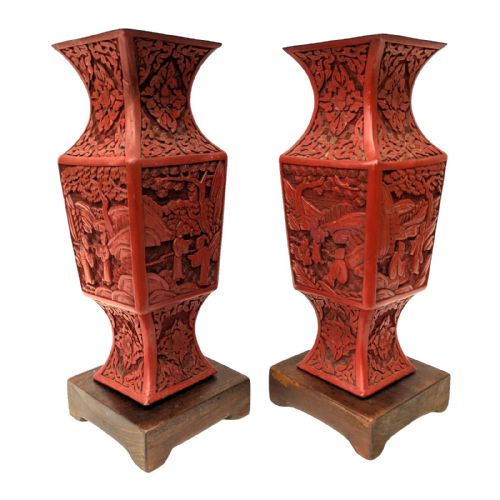
The selection includes carved cinnabar vases, framed mother-of-pearl inlays, and painted fire screens drawing on Chinese Qing styles, Japanese Meiji aesthetics, and Persian motifs. These items integrate traditional craftsmanship with decorative forms suited to domestic spaces.
How oriental lacquer art was made
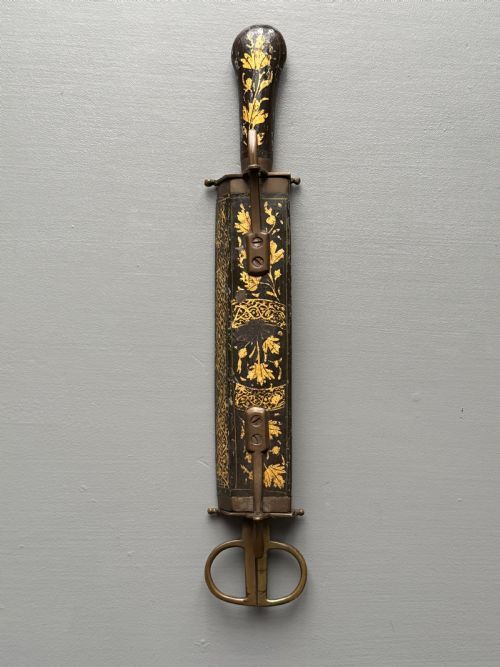
Makers built these pieces using solid wood, carved wood, or papier-mâché as a foundation, applying successive layers of resin or lacquer to create a smooth, durable base. Artisans then integrated details using gold leaf, gilt, brass fittings, and glass elements.
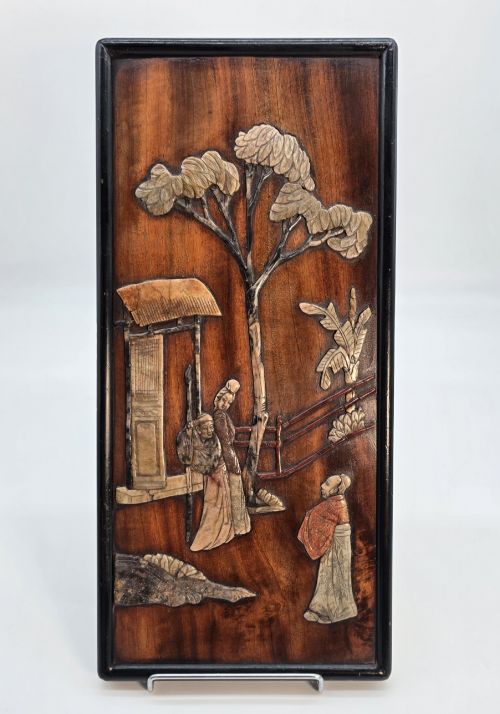
Surface ornamentation involved intricate hand painting, delicate foilage work, and inlaid mother-of-pearl or abalone shells to form figurative and natural scenes. Carved variations utilised deep relief techniques on wood or cinnabar layers to achieve textured depth.
Oriental Lacquer Art Retail Price Guide 2026
Typical asking prices for oriental lacquer art among the pieces listed under this phrase on Sellingantiques today, from the lower quarter to the upper quarter. They describe what is for sale here now, not the wider market.
Flamingos stride across nineteenth-century fire screens, proving that exotic birds found a very British home beside the fireplace.
What varies in quality in oriental lacquer art
The standard of a piece depends on the depth and precision of the surface carving, the stability of the layered lacquer ground, and the intricacy of the hand-painted or inlaid details. Superior examples exhibit tightly controlled brushwork and firmly anchored shell or metal elements without loss or distortion.
Structural integrity also separates standard items from finer works, particularly in larger forms like drinks cabinets and carved panels where joint construction and wood preservation dictate long-term durability. The crispness of relief work in cinnabar and carved wooden elements indicates the artisan's level of skill.
Haruyama Shunzan·Iida Takashimaya Company
The Oriental Lacquer Art Glossary
- Chinoiserie
- European decorative style reflecting Chinese artistic influences, popular in furniture and wall art during the early twentieth century.
- Cinnabar
- Carved red lacquer built up in numerous layers on a wooden core, allowing deep relief carving of figures and motifs.
- Okimono
- Japanese ornamental sculpture designed for display on a shelf or tabletop rather than formal ritual use.
- Meiji Period
- Era of Japanese history spanning from eighteen sixty-eight to nineteen twelve, known for refined decorative arts and metalwork.
- Coromandel
- Type of Chinese carved lacquer work featuring incised designs filled with pigments against a dark ground.
Oriental Lacquer Art: Frequently Asked Questions
How do I care for oriental lacquer art?
Keep pieces away from direct sunlight and fluctuating temperatures to prevent the lacquer surface from drying or cracking over time.
Dust gently with a dry, soft cloth and avoid applying liquid polishes or chemical cleaners that might damage the delicate resin or painted details.
Where were these lacquer items placed?
Many items served practical and decorative roles in historic interiors, functioning as wall art, fire screens, and functional drinks cabinets.
Smaller objects like mantel clocks and table lamps brought colourful painted motifs directly into sitting rooms and studies.
What materials make up these panels?
The core structures typically rely on carved wood or papier-mâché, coated in multiple layers of dark or coloured lacquer.
Surfaces are frequently enhanced with mother-of-pearl, abalone inlay, gold leaf, and hand-painted pigments depicting birds, branches, and figures.
How do I distinguish Chinese from Japanese pieces?
Chinese works often feature deep cinnabar carving, bold red and black lacquer panels, and traditional Qing stylistic motifs.
Japanese pieces frequently display refined Meiji period okimono sculptures, delicate roundels, and precise inlaid mother-of-pearl detailing.