

Oriental Ginger Jar
An oriental ginger jar brings centuries of ceramic artistry into a room, offering both traditional utility and striking decorative presence.
Oriental Ginger Jar
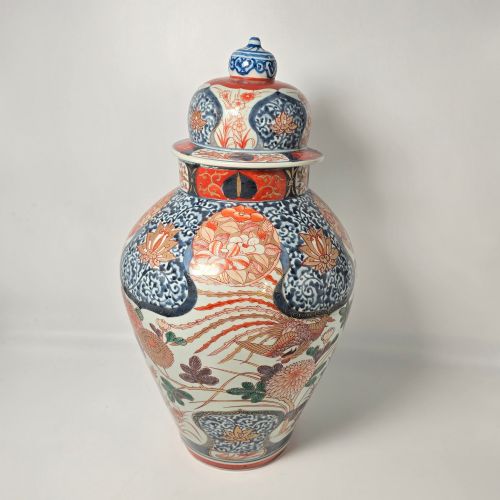
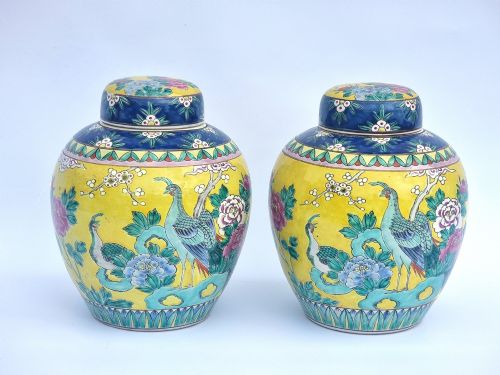
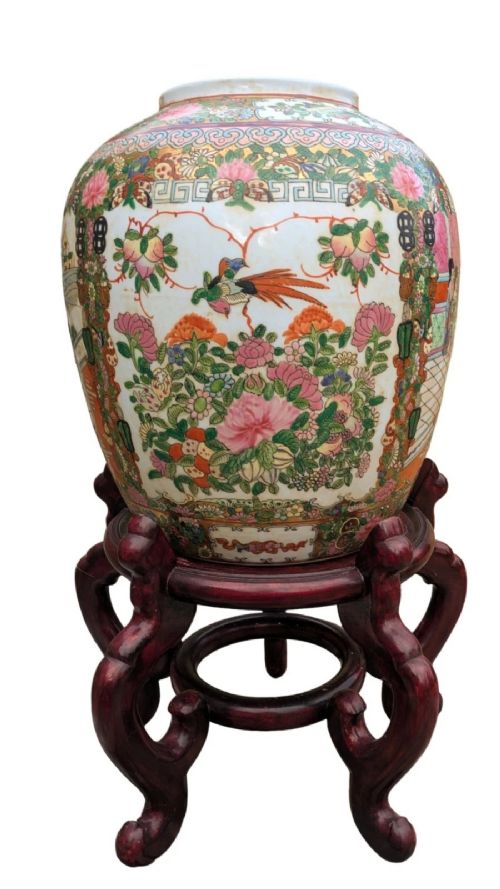
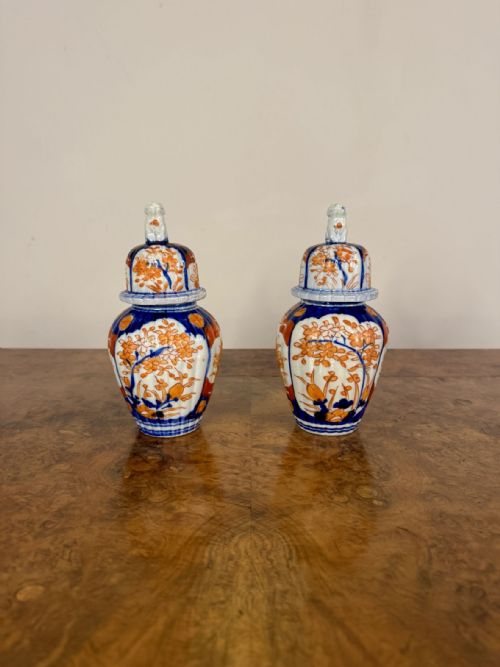
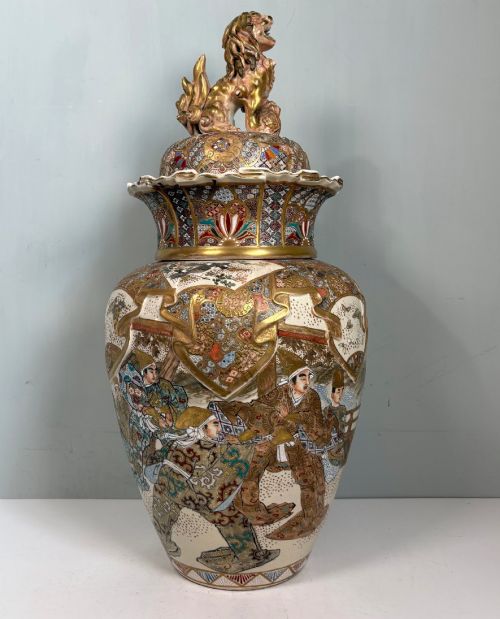
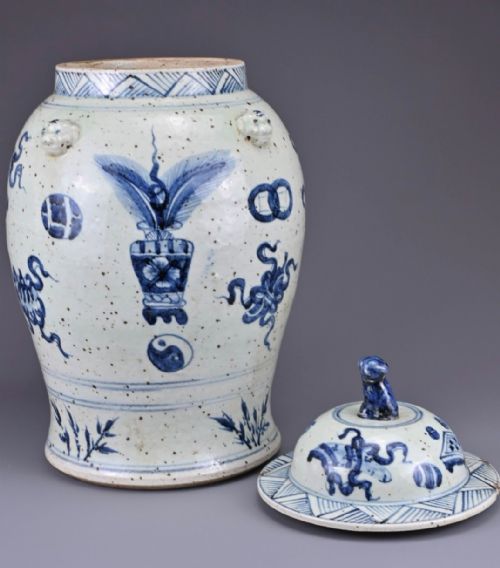
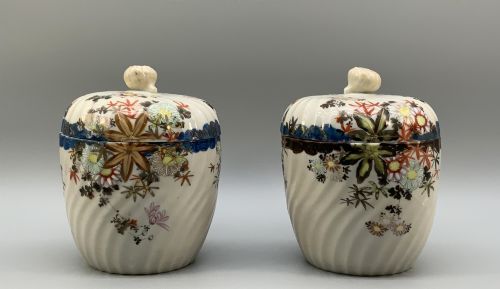
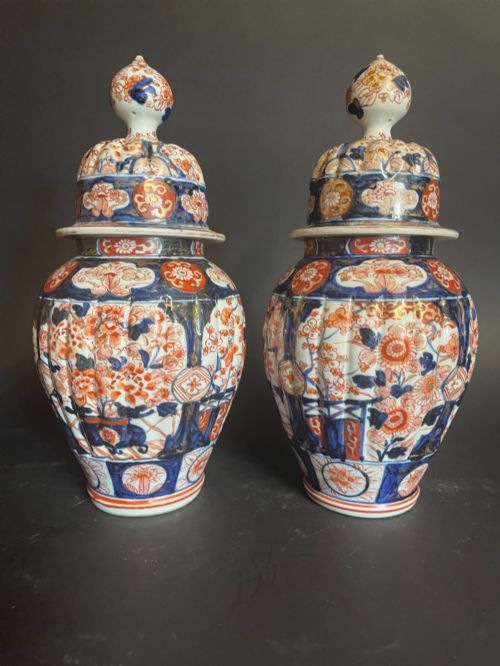
When you search for an oriental ginger jar, you encounter lidded ceramic vessels originally made to store spices, herbs, or salt, which later evolved into purely decorative pieces. The examples met on this page span several centuries and originate from Chinese and Japanese kilns, showing forms from rounded jars to octagonal baluster vases.
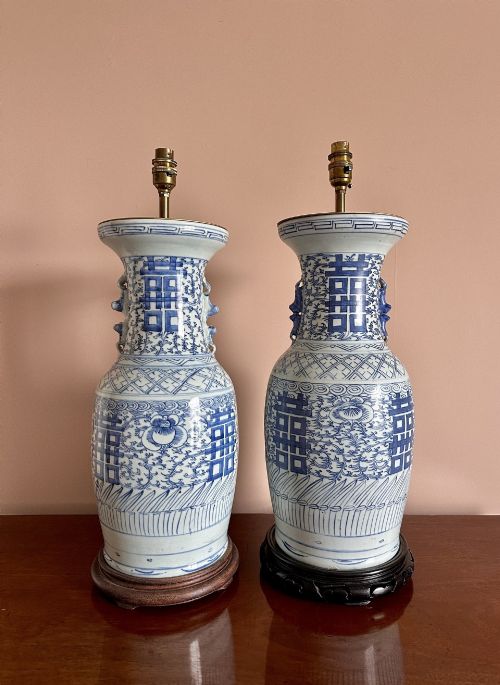
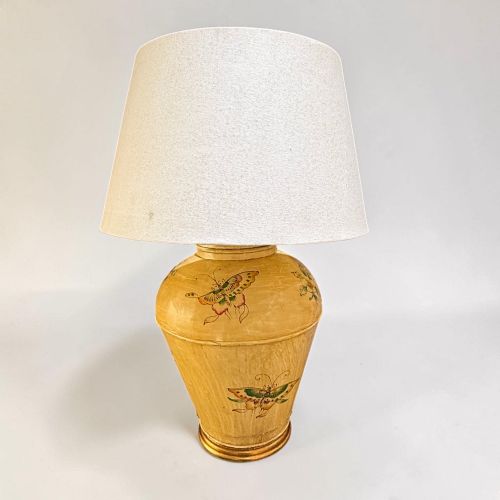
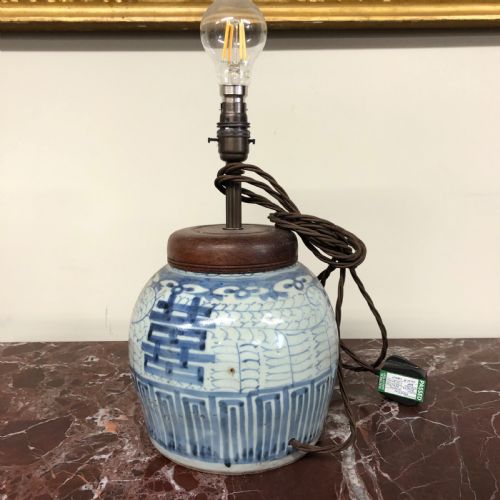
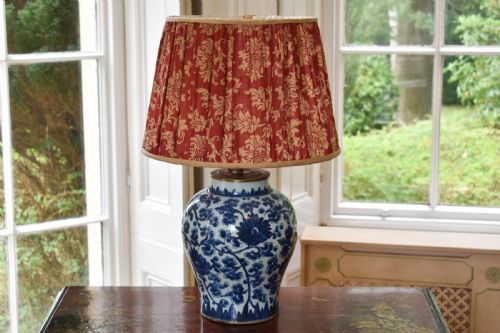
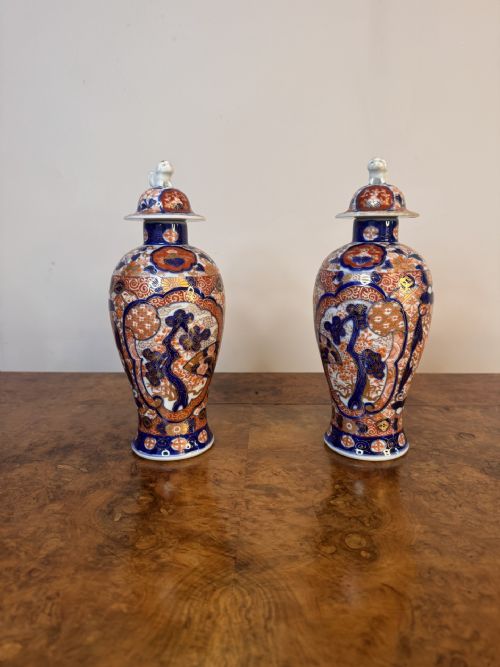
The most common versions seen here date from the nineteenth century, reflecting both Chinese blue and white traditions and Japanese Imari or Satsuma palettes. These pieces frequently retain their original matching covers, though some survive as bodies adapted later into table lamps or paired with ormolu mounts.
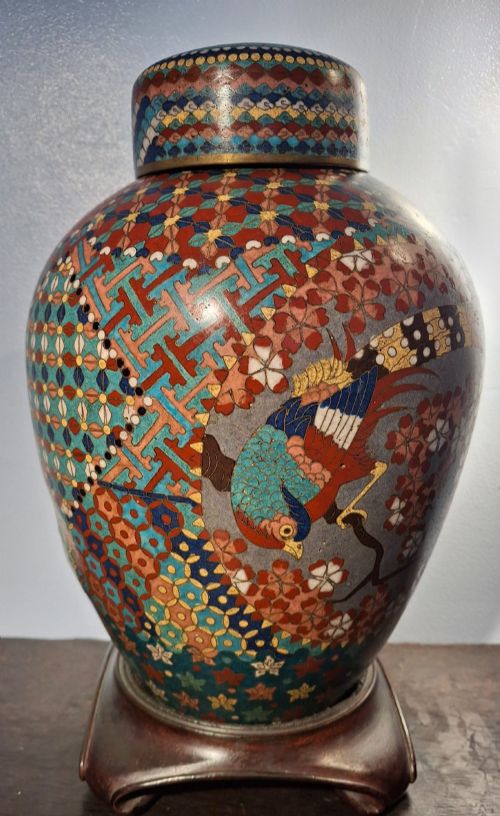
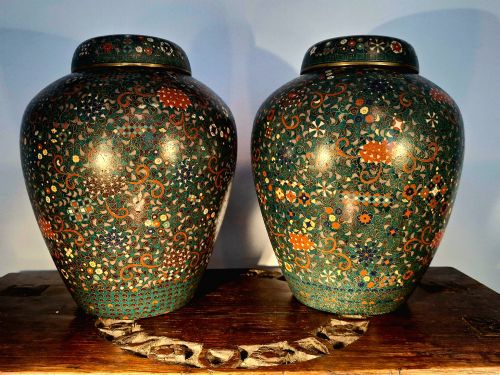
Beyond standard ginger jars, related forms include tea caddies, covered pots, and large temple jars spanning periods from the seventeenth century through the early twentieth century. Makers and decorators utilised diverse styles, ranging from Chinese Qing Dynasty blue and white to intricate Japanese Meiji period cloisonné and enamel.
How they were made
Potters shaped these vessels from fine porcelain or earthenware on the wheel, applying cobalt underglaze pigments for blue and white designs or firing white bodies to receive overglaze enamel and gold leaf decorations. Japanese Satsuma production relied on earthenware with crackle glazes, painted carefully with polychrome enamels and raised gold highlights.
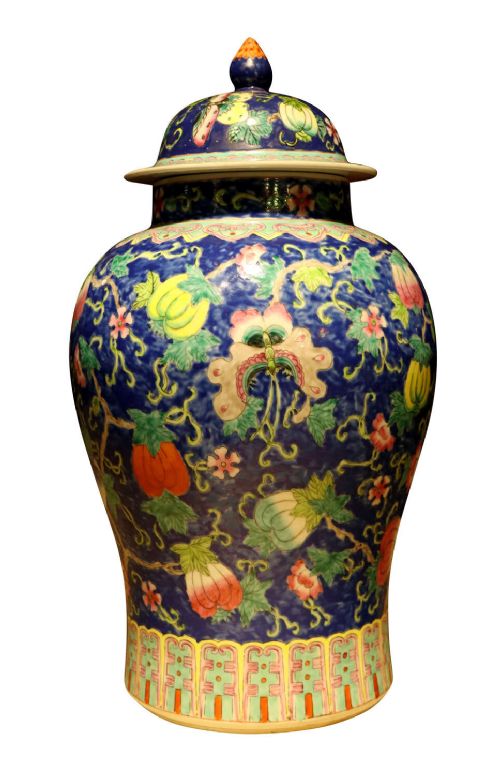
Cloisonné jars required hammering thin metal wires onto a brass or copper base to form cellular compartments, which artisans filled with coloured enamels before firing and polishing. Many Chinese export and Qing Dynasty pieces utilised hand-painted cobalt underglaze, whilst others incorporated doucai, wucai, and famille rose palettes requiring multiple kiln firings.
Oriental Ginger Jar Retail Price Guide 2026
Typical asking prices for oriental ginger jar among the pieces listed under this phrase on Sellingantiques today, from the lower quarter to the upper quarter. They describe what is for sale here now, not the wider market.
Buddhistic lions peer out from seventeenth-century glazes, guarding ginger from imaginary kitchen marauders.
What varies in quality
The standard of painting sets the finest pieces apart, distinguishing fluid, highly detailed brushwork depicting birds, flowers, landscapes, and figures from repetitive or mechanical factory decoration. Superior Satsuma and Imari jars exhibit precise gold detailing and balanced compositions that demonstrate exceptional control from the artist or workshop.
The integrity of the body and the survival of a matching cover heavily influence desirability, particularly given that lids were easily separated or lost over centuries of use. Furthermore, the crispness of the glaze, the absence of firing imperfections, and the presence of verified period marks separate ordinary utility wares from collector-grade examples.
Yamashu·Tokyo Taizan·Samson
The Oriental Ginger Jar Glossary
- Imari
- A style of Japanese porcelain featuring a distinctive palette of underglaze blue, iron red, and gilt. It originated in Arita and was widely exported to Europe.
- Famille Rose
- A major palette of Chinese ceramic enamels introduced in the Qing Dynasty, dominated by opaque pink or rose colours. It allowed for subtle gradations in shading.
- Satsuma
- Japanese earthenware pottery characterised by a fine crackle-leaf glaze, typically decorated with intricate polychrome enamels and gold. These wares became prominent during the Meiji period.
- Cloisonné
- An enamel technique where metal wires form raised barriers on a vessel body to contain coloured vitreous pastes. The piece is then fired and polished smooth.
- Baluster
- A vase shape characterised by a rounded body that tapers toward the base and swells near the shoulder. It often supports a domed lid.
Oriental Ginger Jar: Frequently Asked Questions
What were oriental ginger jars originally used for?
These lidded vessels served primarily to store and transport valuable spices, salt, and ginger along trade routes. Merchants packed perishable goods inside them for long sea voyages.
Over time, Western appreciation for the craftsmanship shifted their purpose from pantry storage to ornamental display in grand rooms and drawing rooms.
How do I distinguish Chinese from Japanese jars?
Chinese pieces often feature cobalt blue underglaze on hard white porcelain, utilising motifs such as dragons, prunus blossoms, and auspicious symbols. Qing Dynasty and export items frequently show these classic blue and white characteristics.
Japanese pieces, particularly from the Meiji period, frequently employ the Imari palette of iron red and gold, or the characteristic crackled cream earthenware associated with Satsuma workshops.
Are ginger jars supposed to have matching lids?
Original jars were manufactured with a matching cover designed specifically for the body's aperture. Surviving with an intact, original lid significantly enhances the historical integrity of the piece.
Many antique jars reached the modern market separated from their covers, leading past owners to commission replacements or adapt the bodies into table lamps.
How should I display an antique jar at home?
These vessels suit placement on sturdy sideboards, mantelpieces, or dedicated hardwood stands that elevate the base safely. Their robust porcelain or earthenware construction makes them stable when placed out of heavy traffic zones.
Keep them away from direct, harsh sunlight to protect overglaze enamels and gold leaf highlights from fading over decades of interior display.