





Oriental Flower Pot
An oriental flower pot brings sculptural presence to foliage through fine bronze, porcelain and cloisonne from the Meiji period and Qing dynasty.
Oriental Flower Pot
When buyers search for an oriental flower pot, they encounter large jardinieres, planters, and vases designed to house plants or display cut blooms.
The most common examples on this page are nineteenth-century Japanese Meiji bronze vessels and Chinese porcelain pieces, often accompanied by carved hardwood stands.
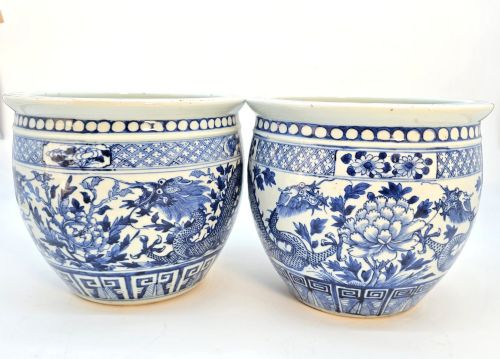
Originating from periods spanning the Qing dynasty, the Meiji era, and the Edwardian epoch, these vessels range from blue and white porcelain to heavy cast bronze bowls.
Materials and construction
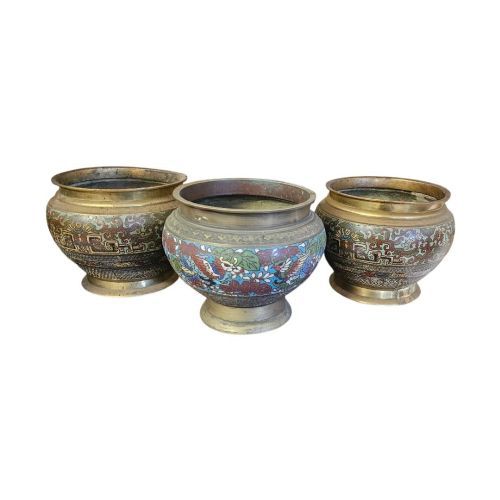
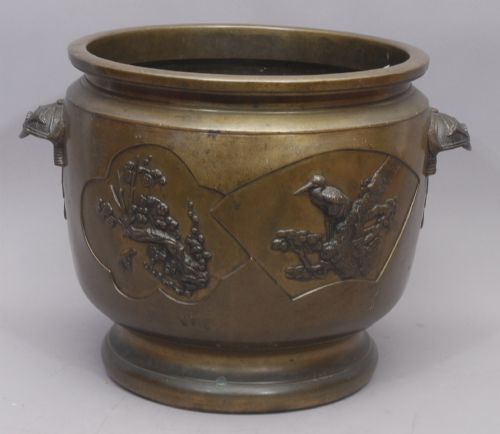
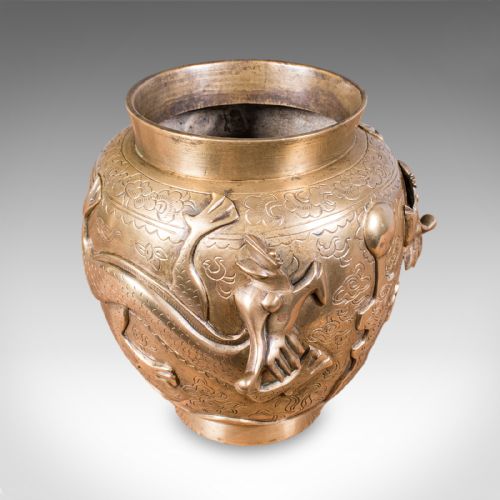
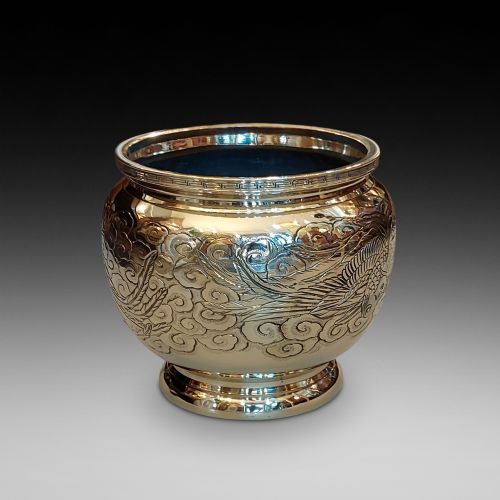
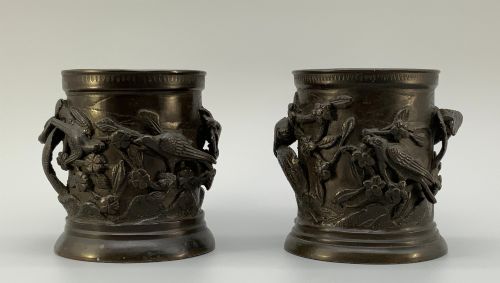
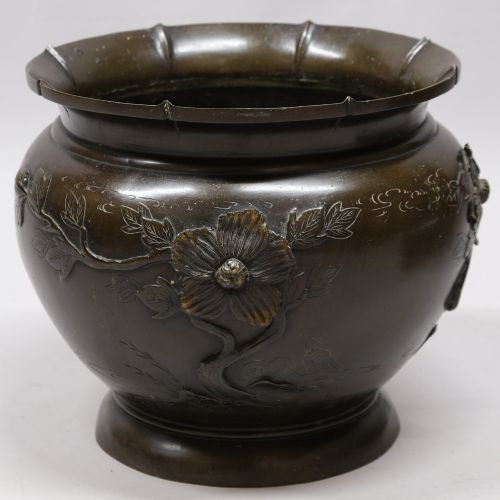
Metal vessels utilise cast bronze and brass, frequently detailed with patination, dragon motifs, and birds or blossom relief work.
Ceramic examples employ porcelain, stoneware, and enamel, encompassing blue and white decoration alongside the polychrome palettes of Canton Famille Rose.
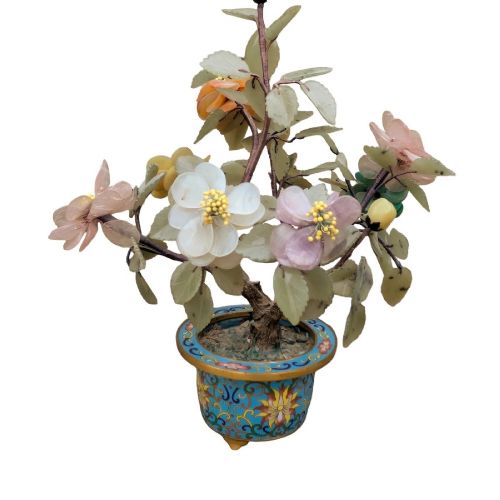
Accessories and supplementary pieces are fashioned from hardwood, marble, and hardstone, incorporating jade and cloisonne elements into decorative bonsai trees.
Oriental Flower Pot Retail Price Guide 2026
Typical asking prices for oriental flower pot among the pieces listed under this phrase on Sellingantiques today, from the lower quarter to the upper quarter. They describe what is for sale here now, not the wider market.
Listings span the nineteenth and twentieth centuries, incorporating Victorian, Edwardian, Meiji, and Qing dynasty periods.
Variations in quality
Quality rests upon the crispness of the casting in bronze bowls, the depth of the palette in Famille Rose porcelain, and the precision of cloisonne wirework.
The integration of maker marks, reign seals, or specific period signatures elevates certain vessels above standard decorative wares.
The accompanying stands demonstrate quality through dense hardwood carving and joinery that properly supports the weight of a heavy planter.
Makuzu Kozan II
The Oriental Flower Pot Glossary
- Jardiniere
- A large ornamental pot or bowl designed to hold a plant or flower arrangement. These pieces often sit upon dedicated low tables or stands.
- Famille Rose
- A major palette of Chinese porcelain enamel decoration introduced in the Qing dynasty, characterised by pink or rose coloured enamel.
- Cloisonne
- An enamel technique where metal wire is soldered to a metal base to create compartments filled with paste and fired.
- Imari
- A style of Japanese export porcelain decorated in underglaze blue, iron red, gold, and supplementary colours.
- Meiji Period
- The era of Japanese history lasting from eighteen sixty-eight to nineteen twelve, renowned for sophisticated bronze casting and ceramic arts.
Oriental Flower Pot: Frequently Asked Questions
What is an oriental flower pot?
An oriental flower pot is a vessel intended for displaying plants, comprising large bronze jardinieres, porcelain planters, and decorative ceramic urns from Asian traditions.
These pieces function as self-contained planters or as cachepots that hold standard potted plants within a decorative outer bowl.
How were these flower pots used?
Historically, these vessels accommodated indoor plants, floral bouquets, or bonsai arrangements in domestic interiors and garden rooms.
Heavier bronze bowls and ceramic jardiniere planters often rested on carved hardwood stands to elevate them from the floor or display surfaces.
How do I style an antique planter?
These vessels accommodate large indoor foliage, ferns, or flowering plants, acting as sculptural focal points in a room.
Parks of matching hardwood pot stands can support heavier ceramic or bronze planters while protecting interior flooring.
How do I identify Meiji bronze pieces?
Meiji period bronzes originate from late nineteenth and early twentieth century Japan, frequently featuring naturalistic themes such as birds, blossoms, and dragons.
They display heavy cast construction with original patination, occasionally accompanied by seal marks or signatures from prominent workshops and artists.