

Oriental Floral Urns
Oriental floral urns are striking vessels of porcelain, bronze and enamel that bring pattern and colour to a room.
Oriental Floral Urns
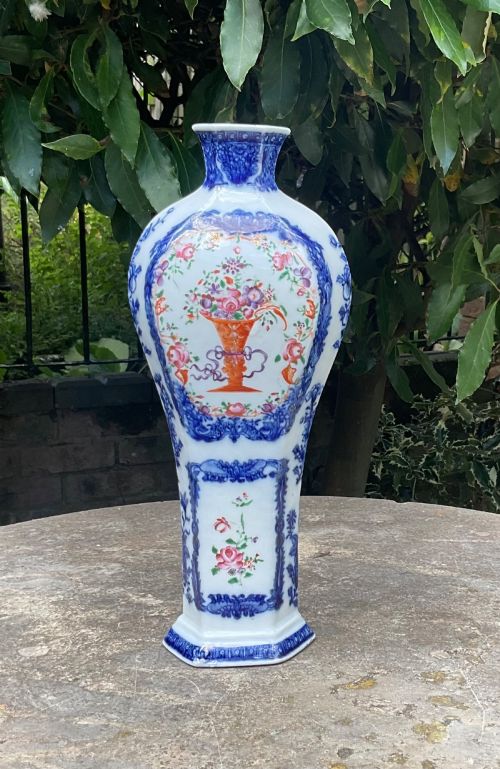
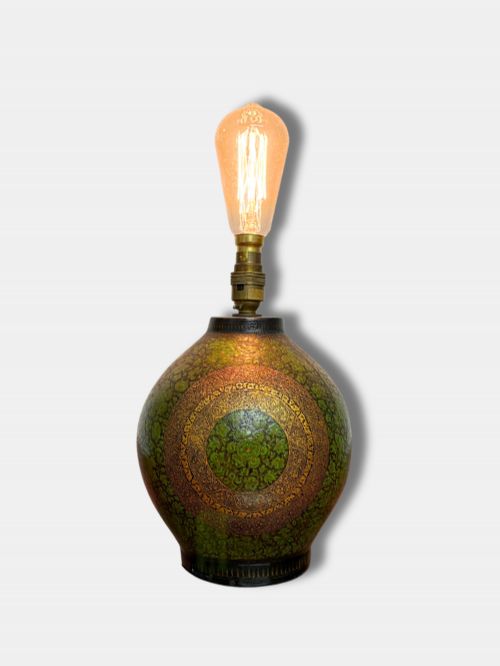
Oriental floral urns encompass decorative vases, ginger jars and lamps originating from Chinese and Japanese workshops. Buyers seeking these pieces encounter items spanning the Victorian era through the early twentieth century.
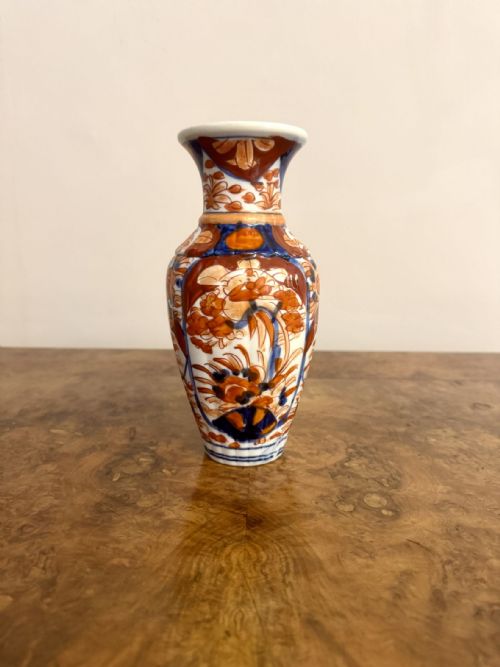
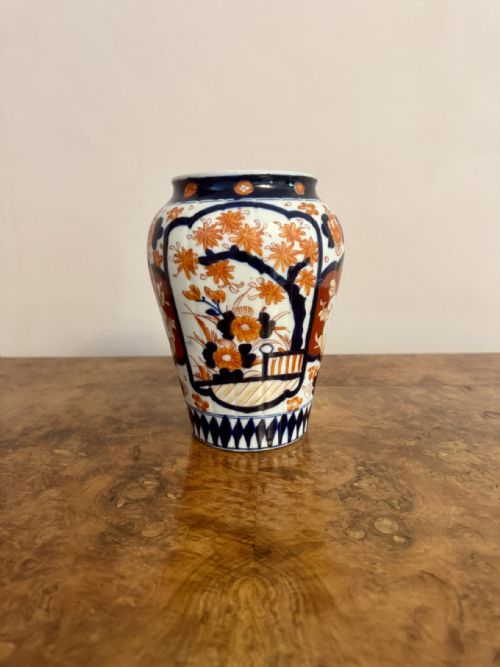
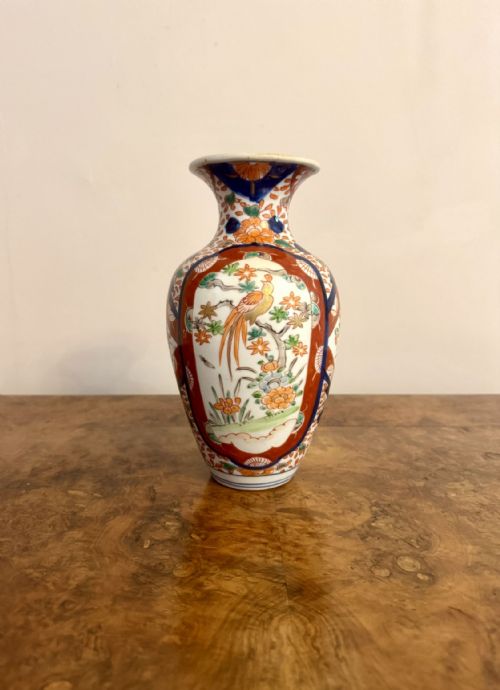
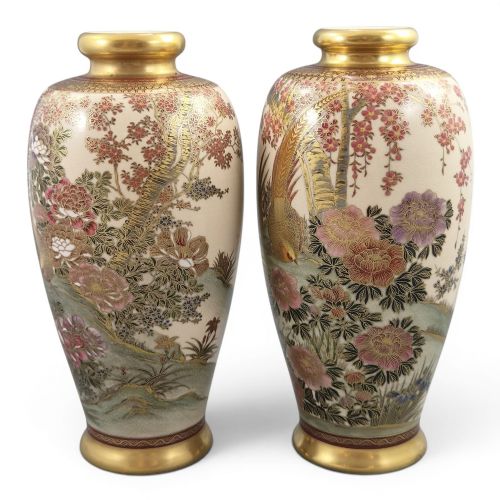
The selection on this page leans heavily toward Japanese Imari porcelain and Satsuma earthenware, alongside Chinese cloisonné and bronze vessels. Forms range from floor-standing jars to small cabinet pairs, reflecting diverse domestic uses.
How they were made
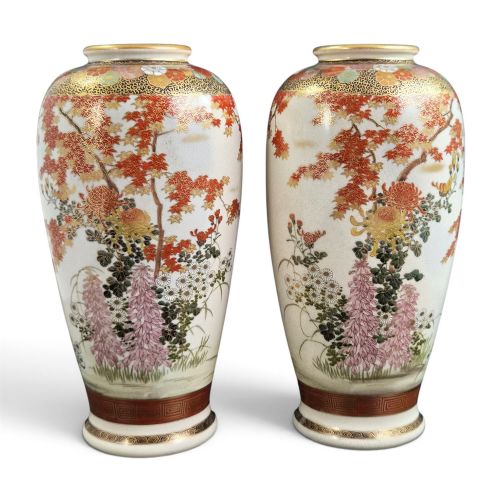
Potters shaped porcelain and earthenware by hand or wheel before applying hand-painted glazes, iron-red pigments and gold leaf. Japanese Satsuma ware relied on finely crackled cream-coloured earthen bodies painted with dense floral motifs.
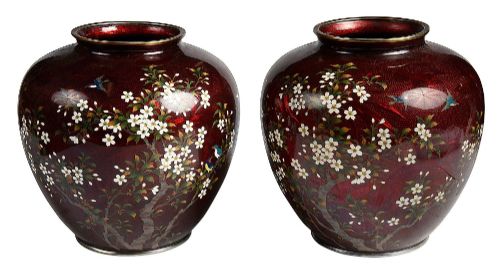
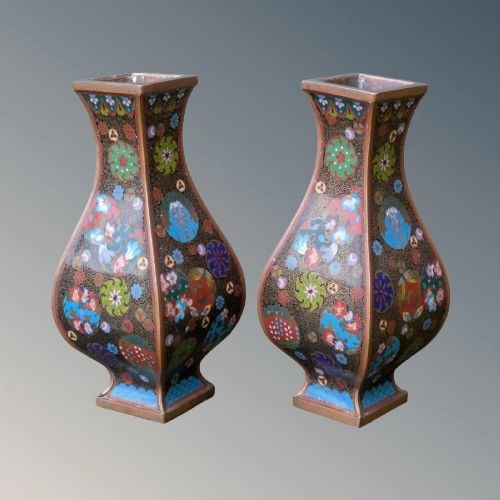
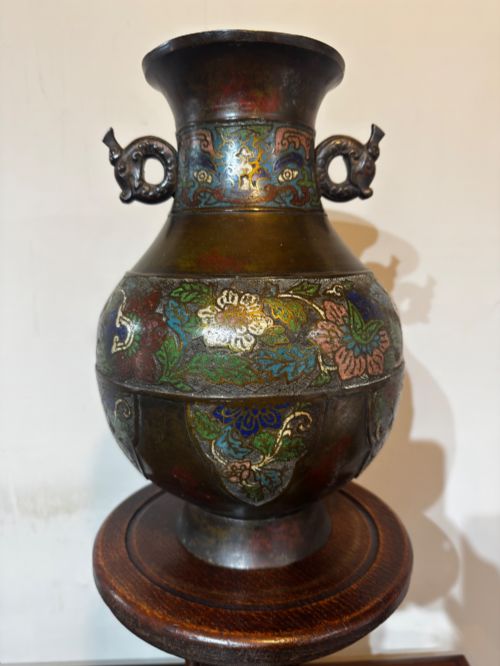
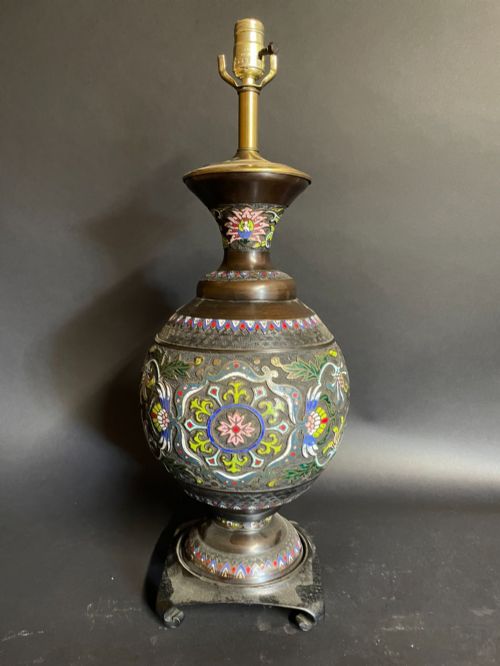
Metal vessels utilised bronze, brass and copper foundations decorated through cloisonné and champlevé techniques. Artisans soldered thin wire compartments onto the metal surface and filled the cells with coloured enamel pastes before firing.
Listings feature items spanning the Victorian era through the 1940s, executed in porcelain, bronze, copper and enamel.
What varies in quality
The distinction between standard production and superior work lies in the precision of the hand-painting and the depth of the palette. Workshops employing named artists achieved intricate detail in floral panels and gilding.
Material density and finishing also separate grades. Cloisonné work with crisp, even wire cells and smooth enamel holds greater visual weight than hastily filled counterparts.
Maruni Kobe·Manpei·Hakusan·Kinkozan·Hododa
The Oriental Floral Urns Glossary
- Imari
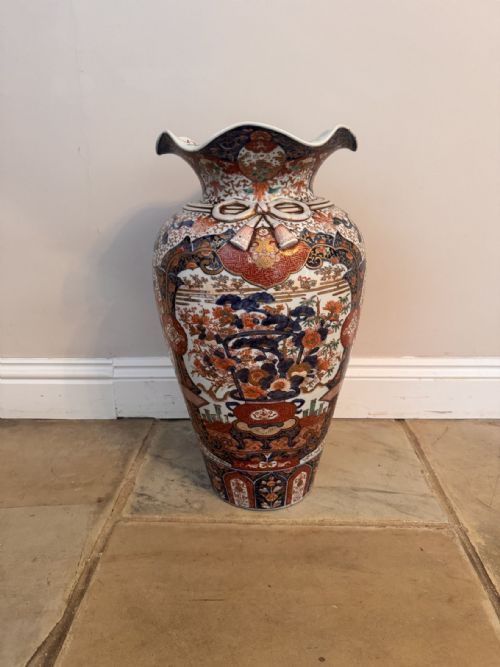
- A style of Japanese porcelain featuring deep underglaze blue and iron-red, often accented with gold. This aesthetic developed in Arita and became widely exported to Europe.
- Satsuma
- A type of Japanese earthenware characterised by a ivory craquelure glaze and polychrome enamel decoration. Pieces often incorporate rich gilt highlights.
- Cloisonné
- A metalwork technique where flat wire is soldered to a bronze or copper body to form compartments for enamel paste. The object is subsequently fired and polished.
- Ginger jar
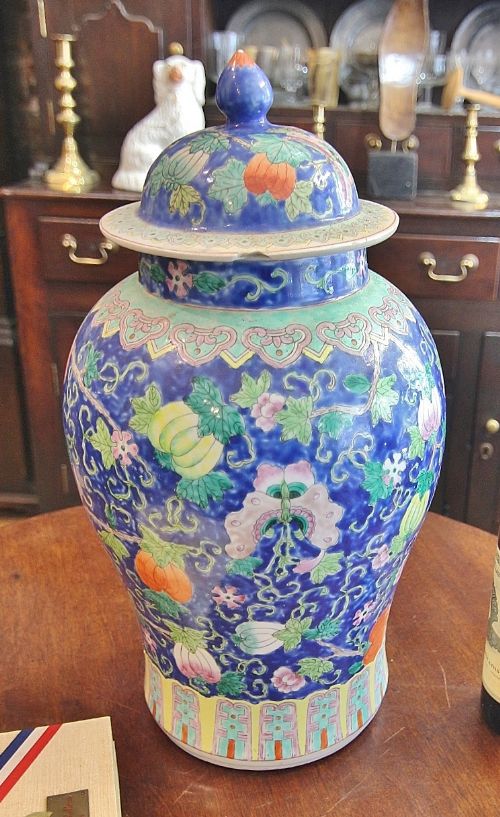
- A ceramic vessel with a broad shoulder and rounded body, originally used for storing spices. Many examples feature matching domed lids.
- Champlevé
- An enamel technique where troughs or cells are carved directly into a metal surface to hold the coloured paste. This method differs from wire-based cloisonné.
Oriental Floral Urns: Frequently Asked Questions
How do I identify Satsuma ware?
Satsuma pieces display a distinctive warm ivory glaze covered in fine network crackles. They feature densely painted floral and figural scenes enhanced with raised gold enamel.
Most examples originate from Japanese kilns operating during the Meiji period. Makers often included artist seals on the base.
Are ginger jars sold with lids?
Many ginger jars retain their original matching covers, though some survive as open vessels. Lids formed an integral part of the jar's silhouette during production.
When present, covers share the same glaze palette and decorative motifs as the body below.
What is the difference between Imari and cloisonne?
Imari describes porcelain painted with underglaze blue, iron-red and gold details. The surface remains smooth ceramic beneath the glaze.
Cloisonné involves metal vessels decorated with raised wire walls containing coloured glass pastes. The finished object presents a tactile, compartmentalised metallic surface.
How should I display a heavy floor vase?
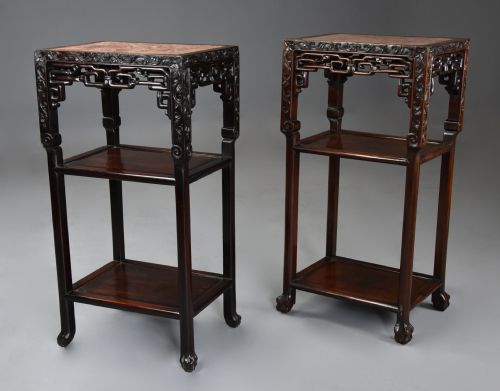
Large urns require stable placement away from high-traffic zones to prevent accidental knocks. Placing them on dedicated stands protects the base and floor.
Pairing matching vases symmetrically enhances balance within a traditional or eclectic interior scheme.