


Oriental Floral Decorative Vase
An oriental floral decorative vase brings rich pattern and colour into a room through traditional ceramic and metalwork traditions.

Oriental Floral Decorative Vase
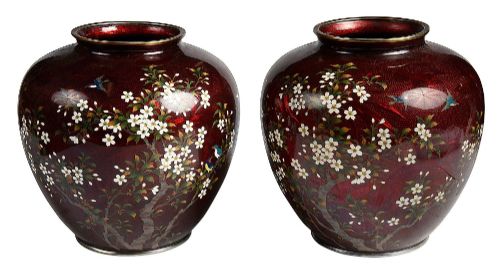
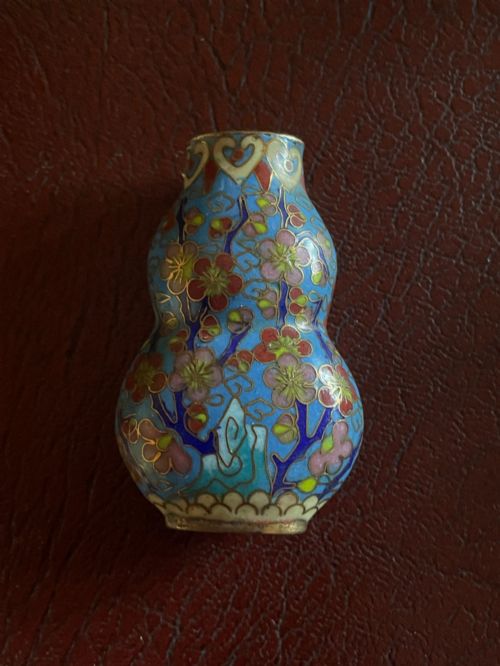
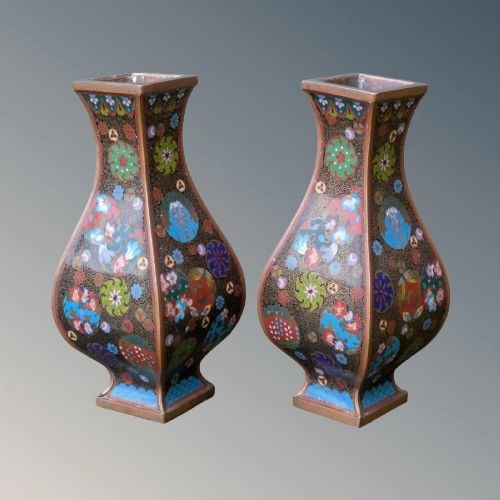
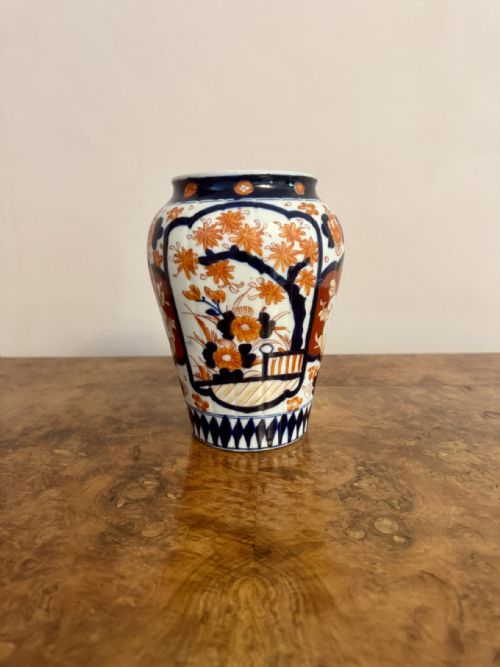
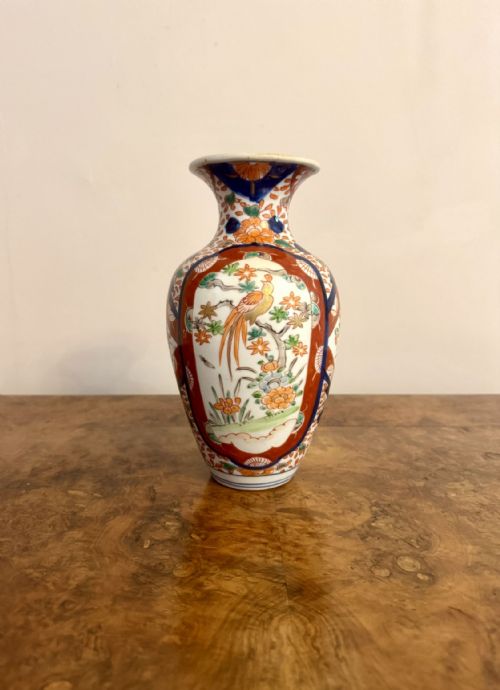
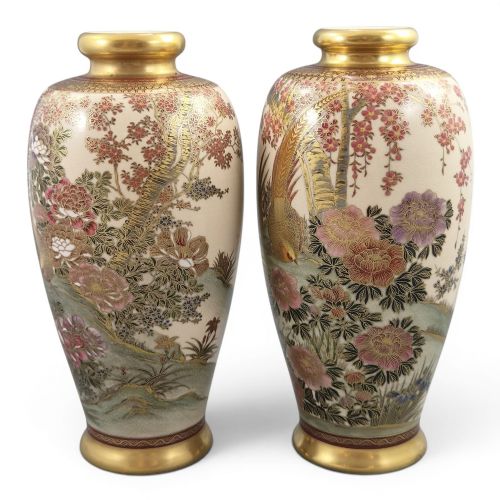
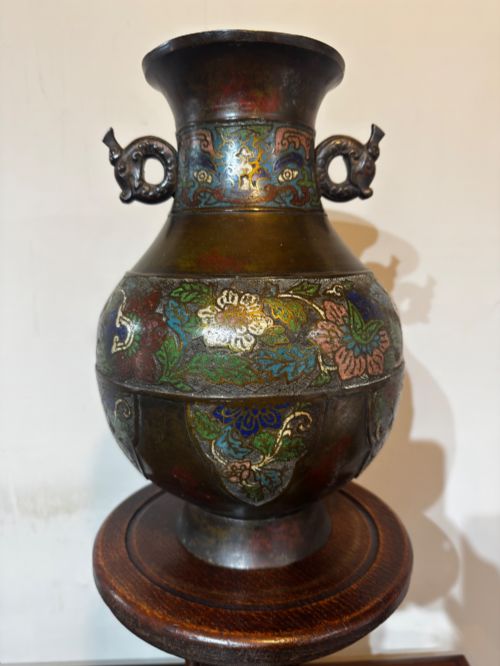
When you search for an oriental floral decorative vase, you encounter pieces originating from Japanese and Chinese workshops across the nineteenth and early twentieth centuries. The selection includes Imari porcelain, Satsuma earthenwares, and detailed cloisonné enamels on copper bases.
Vases span diverse forms, from ginger jars and covered urns to baluster shapes and miniature vessels. Many examples arrive in matched pairs or garnitures, reflecting the decorative standards of the Meiji period and the Qing dynasty.
Materials and construction methods
Makers utilised porcelain, earthenware, bronze, and copper as foundational bodies for these pieces. Cloisonné and champlevé techniques apply enamel within wire cells or recessed troughs on metal surfaces, often finished with gold leaf or silver wire.
Pottery items rely on hand-painted glazes, encompassing the deep blues and iron reds of the Imari palette alongside the fine crackle-glaze earthenwares decorated with elaborate scenes of flora and fauna.
Listings feature pieces spanning the Victorian and Edwardian eras, alongside items attributed to the Meiji and Showa periods.
Distinctions in workmanship and finish
Quality rests upon the precision of the enamel work, the fineness of the metal wire, and the clarity of the hand-painted motifs. Pieces marked by known workshops or prominent makers demonstrate superior control over firing temperatures and colour saturation.
Symmetry in paired garnitures, the weight and thickness of the bronze or copper body, and the complexity of decorative schemes differentiate standard production wares from exhibition-grade creations.
Manpei·Ando Jubei·Hakusan·Kinkozan·Hododa
The Oriental Floral Decorative Vase Glossary
- Cloisonné
- Enamelling technique where thin metal wires are soldered to a metal base to create compartments for coloured glass paste. These cells are then fired and polished smooth.
- Imari
- Style of Japanese porcelain decorated in underglaze blue, iron red, and gilt. The palette derives from wares exported through the port of Imari during the Edo period.
- Satsuma
- Type of Japanese earthenware featuring a pale, ivory-coloured crackle glaze. Pieces are typically decorated with detailed hand-painted enamels and raised gilding.
- Garniture
- A set of matching vases or jars designed to be displayed together on a mantelpiece or sideboard. They often comprise three or five matching vessels.
- Champlevé
- Enamelling method where troughs or cells are carved directly into a thick metal surface rather than using soldered wires. The depressions are filled with enamel and fired.
Oriental Floral Decorative Vase: Frequently Asked Questions
What is an oriental floral decorative vase?
These pieces are ornamental vessels from Asian ceramic and metalwork traditions, featuring floral motifs and intricate patterns.
They encompass cloisonné enamels, Imari porcelains, and Satsuma earthenwares produced during the nineteenth and early twentieth centuries.
How do I identify a Meiji period piece?
Meiji period items date from the reign of the Emperor Meiji, spanning from eighteen sixty-eight to nineteen twelve.
Look for distinctive signatures, advanced silver-wire cloisonné techniques, and vibrant palettes characteristic of Japanese workshops during this era.
What is the difference between Imari and Satsuma?
Imari refers to hard-paste porcelain painted in dark blues, iron reds, and gold, originating from Arita.
Satsuma denotes earthenware with an ivory crackle glaze and dense, polychrome enamel decoration depicting gardens and figures.
How were cloisonne vases made?
Artisans soldered thin metal ribbons onto a copper or brass body to form intricate patterns of bounded cells.
These compartments were filled with coloured vitreous enamel paste, fired multiple times in a kiln, and polished to an even finish.
Can these vases hold water?
Many antique decorative vases function primarily as display objects rather than practical vessels for fresh flowers.
Metal cloisonné and delicate antique porcelains are best kept dry to protect the internal construction and aged surfaces.