

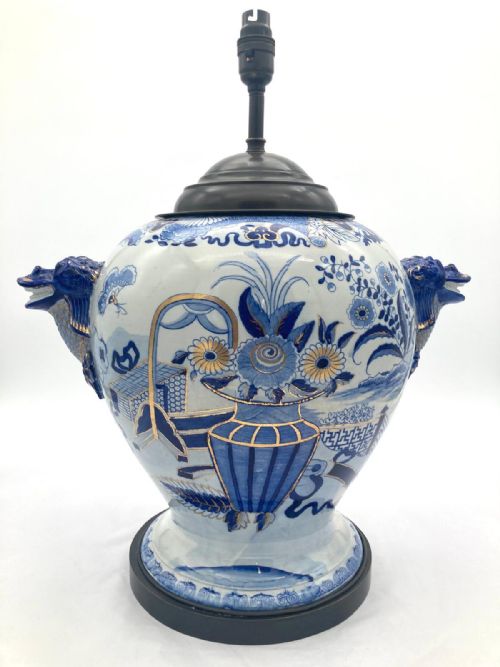


Oriental Decorative Lighting
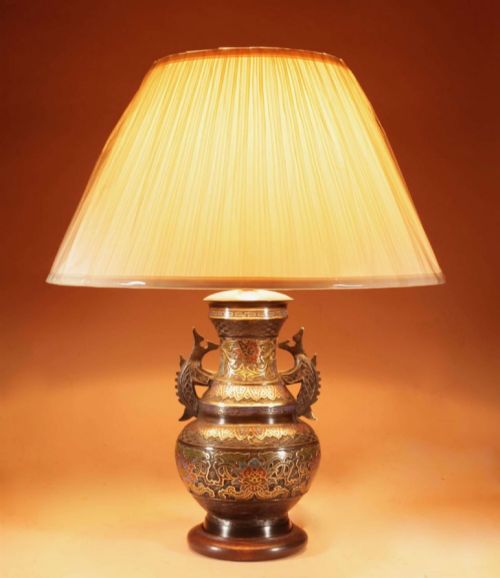
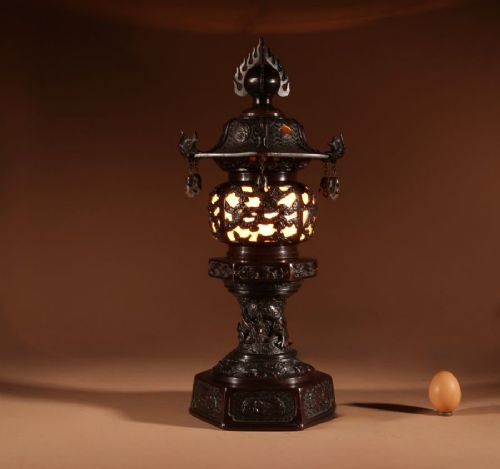
Oriental decorative lighting brings together converted porcelain vases, bronze lanterns and painted woodwork from the nineteenth and early twentieth centuries.
Oriental Decorative Lighting
Oriental decorative lighting covers a diverse selection of converted antique vessels and standard lamps designed to illuminate interiors. Buyers searching for oriental decorative lighting will encounter table lamps, floor lamps and candlesticks drawn from distinct Asian and British decorative traditions.
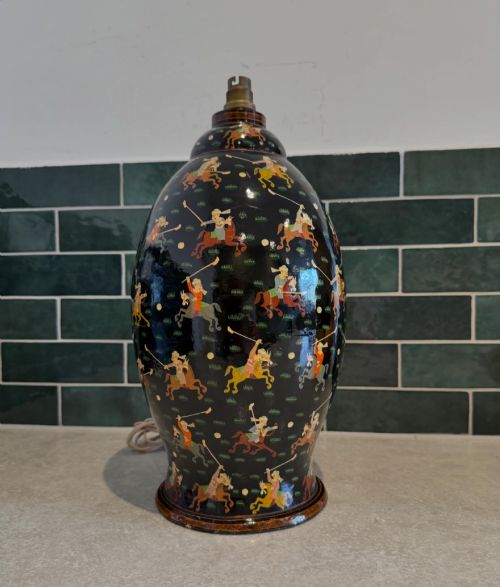
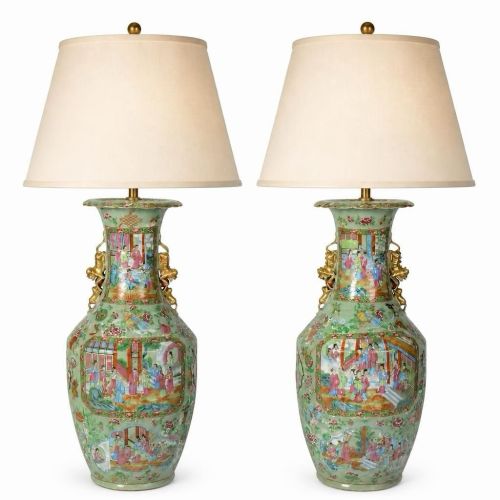
The pieces on this page span the Victorian era, the Regency period and the early twentieth century. Common forms include Japanese bronze table lamps, Chinese porcelain vases adapted for electricity, and painted Kashmiri papier-mache bodies.
Stylistic influences range from Japanese Meiji period ceramics and Satsuma wares to Chinoiserie standard lamps and Anglo-Indian designs. Buyers frequently discover pairs of converted nineteenth-century vases alongside individual bronze lanterns.
How they were made
Materials employed in these lighting pieces encompass cast bronze, brass, porcelain and ceramic alongside carved wood and papier-mache. Makers frequently utilised existing decorative objects, such as tea canisters or large vases, transforming them into lamps by mounting them onto suitable bases.
Surface decoration relies heavily on hand painting, enamel work, champleve and cloisonne techniques. Lacquer and fabric elements also appear, particularly on standard lamps and floor lamps from the nineteen-thirties.
Construction methods combine traditional Asian craftsmanship with later domestic wiring adaptations. Metal components often display intricate casting or chasing, while ceramic bodies showcase detailed overglaze enamel painting.
Some nineteenth-century tea merchants would be astonished to see their storage vessels glowing by an armchair.
What varies in quality
Quality in these lighting pieces depends upon the artistic merit and preservation of the original vessel or base. Superior examples feature finely painted porcelain, crisp bronze casting or detailed cloisonne work rather than plain secondary surfaces.
The integrity of the conversion process also dictates overall standard. Pieces where the mounting respects the original object without causing structural damage achieve greater success than clumsy alterations.
Coherence within matched pairs separates standard items from finer specimens. Matching proportions, consistent glaze colours and balanced decorative motifs elevate the desirability of pairs of table lamps or candlesticks.
The Oriental Decorative Lighting Glossary
- Chinoiserie
- European decorative style reflecting Chinese artistic influences, frequently seen on standard lamps and wooden bases from the nineteenth and twentieth centuries.
- Satsuma
- Japanese pottery style characterised by a cracked cream glaze and elaborate polychrome enamels, often incorporated into table lamps from the Meiji period.
- Cloisonne
- Enamelling technique where thin metal wires form raised barriers to contain coloured pastes on bronze or brass lamp bodies.
- Famille Verte
- Chinese porcelain palette dominated by green enamel tones, frequently found on nineteenth-century vases converted into lamps.
- Champleve
- Enamelling method involving recessed cavities gouged into a metal surface to hold coloured glass paste.
- Imari
- Japanese porcelain decorated in underglaze blue and iron red with gilt highlights, typical of eighteenth-century wares used for lighting.
Oriental Decorative Lighting: Frequently Asked Questions
Are these lamps converted from old vases?
Many examples began life as tea canisters, ginger jars or large decorative vases before receiving electrical fittings. This practice preserves historical ceramics while giving them a functional role in modern rooms.
Buyers should examine how the wiring passes through the body to ensure the original vessel remains largely unaltered.
How do I identify Meiji period pieces?
Meiji period items originate from late nineteenth and early twentieth-century Japan, a time of prolific export craftsmanship. They typically display high technical skill in bronze casting or Satsuma ceramic decoration.
Look for intricate surface detail and distinct regional signatures where present on the base.
Can I find matching pairs of lamps?
Several listings feature balanced pairs of table lamps created from symmetrical porcelain vases or bronze candlesticks. These symmetrical sets suit mantelpieces, sideboards or bedside tables where visual balance matters.
Individual floor lamps and standard lamps appear alongside these paired table lights.
What periods do these lights cover?
The selection spans from the Regency era and Victorian times through to the nineteen-thirties. This temporal range encompasses both traditional nineteenth-century Chinese porcelain and later twentieth-century painted Kashmiri work.
Each period brings distinct material choices and decorative philosophies to the lighting form.