




Oriental Decorative Art
Oriental decorative art brings together centuries of craftsmanship, spanning porcelain, cloisonné enamel and carved lacquer from across Asia.
Oriental Decorative Art
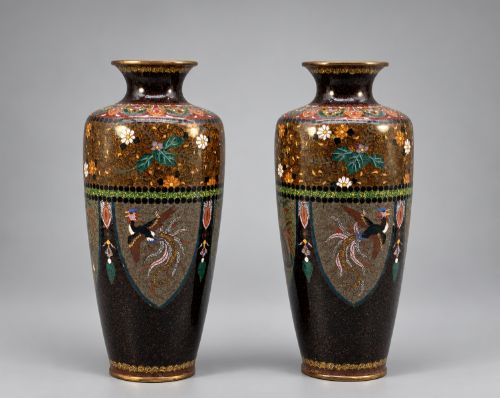
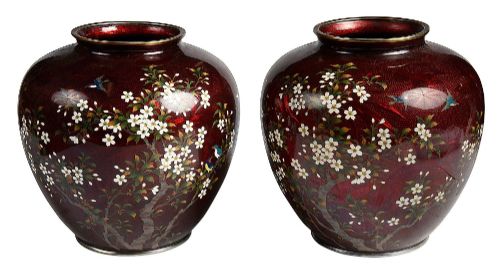
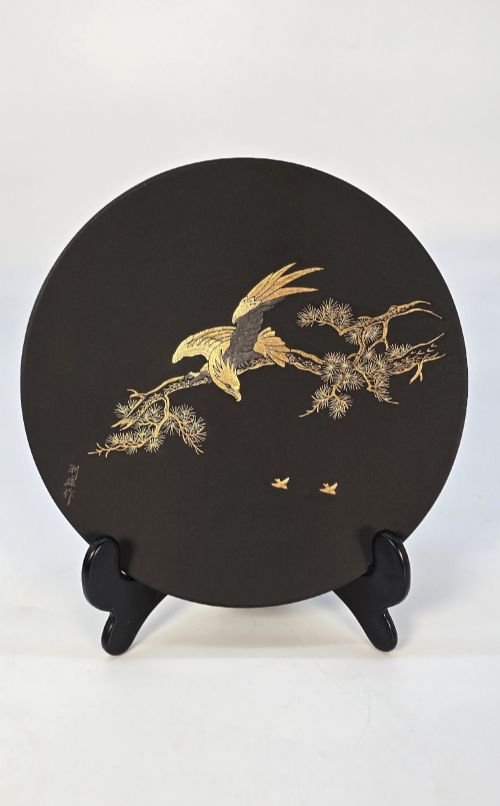
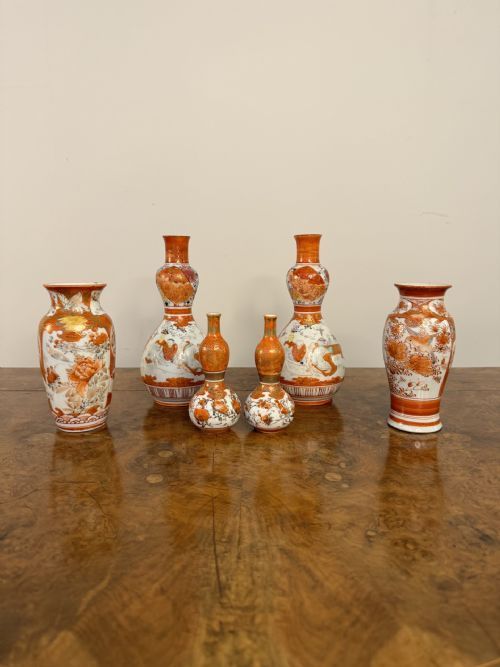
Oriental decorative art encompasses a diverse range of objects originating primarily from Japan and China, dating from the nineteenth century into the early twentieth century. Buyers encounter forms such as vases, decorative chargers, plates, okimono, and lacquer panels reflecting distinct cultural traditions.
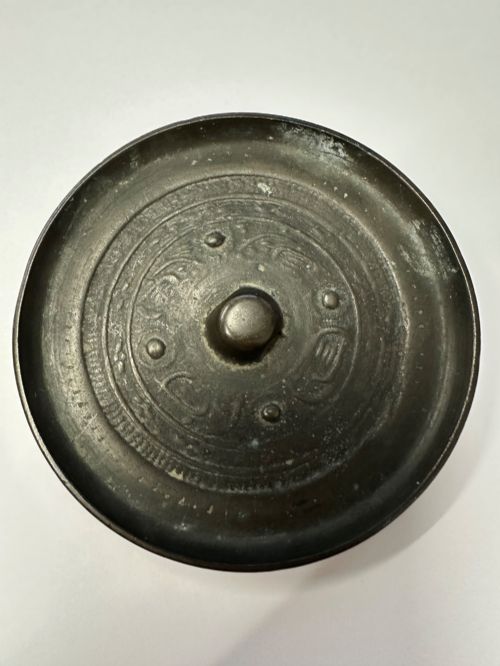
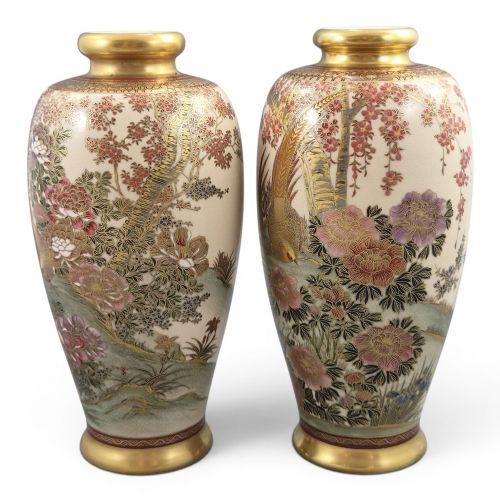
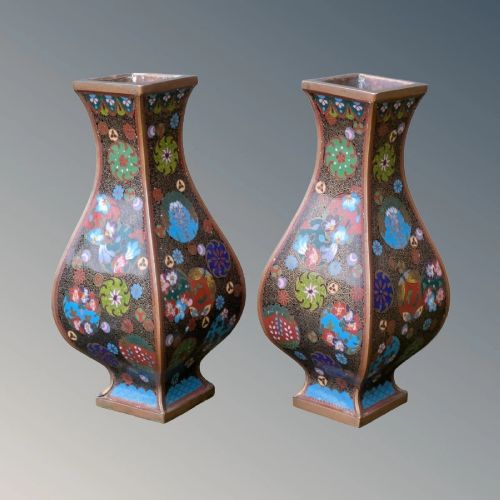
Japanese pieces from the Meiji and Edo periods frequently feature prominently, including intricate cloisonné enamel work, Satsuma pottery, and Imari porcelain. Chinese contributions include bronze mirrors, carved cinnabar lacquer vases, and bone items alongside regional items.
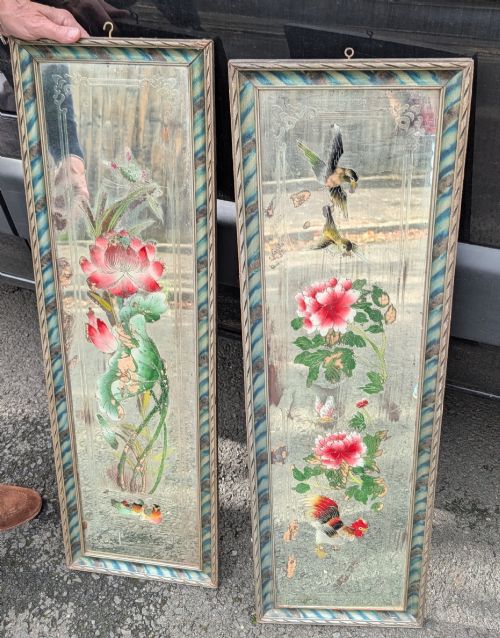
The selection ranges from domestic decorative plates to sculptural okimono and wall-hanging mirrors. Each form demonstrates specific regional manufacturing techniques established over generations of skilled artisan production.
How they were made
Enamel work relies on metal bases fitted with thin wire cells, known as cloisonné, which are packed with coloured glass pastes and fired repeatedly. Bronze and iron pieces utilise casting and patination methods, sometimes enhanced with inlaid gold and silver wire for contrast.
Porcelain and earthenware items depend on skilled throwing, moulding, and hand-painting using cobalt blue, polychrome enamels, and gilt details. Lacquer objects involve applying numerous sap-based resin layers onto wood cores, allowing artisans to carve intricate scenes or embed mother-of-pearl and abalone shell.
Oriental Decorative Art Retail Price Guide 2026
Typical asking prices for oriental decorative art among the pieces listed under this phrase on Sellingantiques today, from the lower quarter to the upper quarter. They describe what is for sale here now, not the wider market.
Carp swimming upstream on Imari chargers bring traditional wishes of perseverance and success straight into the parlour.
What varies in quality
The refinement of the hand-painted detail and the precision of the cloisonné wirework distinguish superior items from standard production. Artisans who executed complex multi-coloured enamels or finely carved lacquer demonstrated exceptional dexterity that elevates the finished object.
Signatures by recognised makers or kiln workshops indicate higher atelier standards and greater artistic ambition. The integrity of the material base, whether porcelain, bronze, or seasoned wood, also dictates the durability and visual impact of the piece.
Manpei, Kobe·Haruyama Shunzan·Hododa, Yokohama·Kinkozan Kyoto
The Oriental Decorative Art Glossary
- Cloisonné
- An enamel decoration technique where metal wires form raised partitions on a body before enamel paste is applied and fired. This method creates detailed pictorial surfaces with defined colour boundaries.
- Satsuma
- A type of Japanese earthenware featuring an ivory-coloured, crackled glaze decorated with polychrome enamels and gilt. It gained significant popularity for export during the late nineteenth century.
- Imari
- Japanese porcelain decorated in underglaze blue and overglaze red, green, and gold. The style originated from kilns in Arita and was widely exported to European markets.
- Okimono
- A Japanese ornamental carving designed for display on a tokonoma alcove or cabinet. These small sculptures depict deities, animals, and figures from folklore.
- Cinnabar
- A carved red lacquer technique built up in numerous layers on a wooden base. Artisans carve deep figurative or botanical designs directly into the hardened material.
Oriental Decorative Art: Frequently Asked Questions
What is oriental decorative art?
Oriental decorative art refers to historical ornamental items created in Asian countries, chiefly Japan and China, during the nineteenth and early twentieth centuries.
These pieces include ceramic vases, metalwork vessels, lacquer panels, and carved figures produced for both domestic use and international export.
How do I identify Meiji period items?
Items from the Meiji period typically date between eighteen sixty-eight and nineteen twelve, reflecting a surge in detailed craftsmanship following the opening of Japan.
Look for refined cloisonné enamel work, Satsuma earthenwares with dense gilt decoration, and signed metal or lacquer pieces characteristic of this era.
Where were Satsuma vases made?
Satsuma pottery originated in Satsuma Province on the southern island of Kyushu, though production later spread to major urban centres like Kyoto and Yokohama.
Kyoto workshops, including those associated with Kinkozan, produced many of the finely painted export pieces found today.
How should I care for lacquerware?
Lacquer objects require stable indoor environments away from direct sunlight and extreme humidity fluctuations to prevent the wood base from moving.
Dust them gently with a soft, dry cloth and avoid using chemical cleaners, water, or abrasive materials on the delicate surface.