


Oriental Ceramic Statues
These oriental ceramic statues bring centuries of Asian artistry into your home through finely modelled figures and animals.
Oriental Ceramic Statues
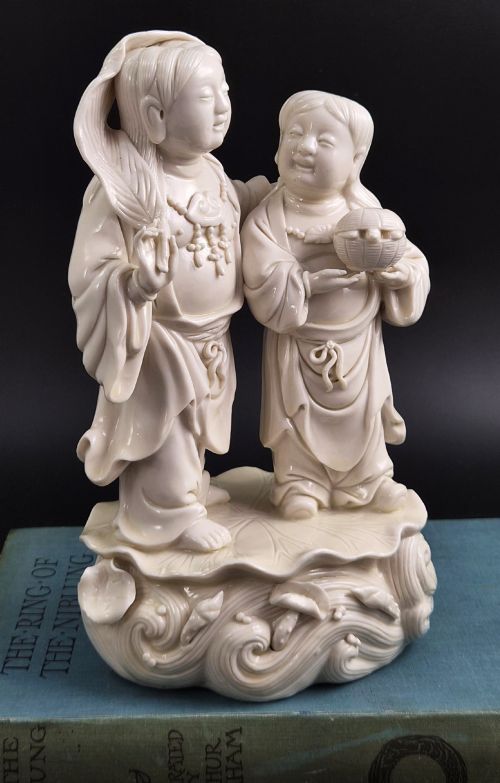
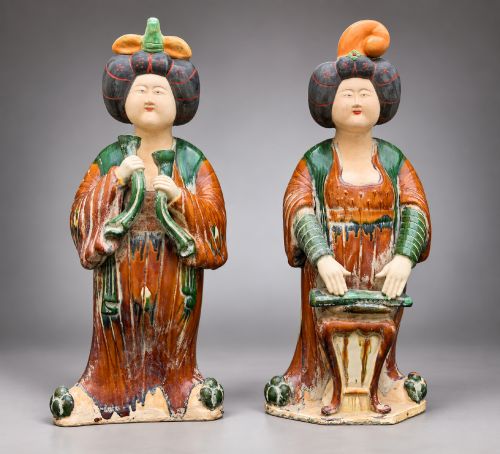
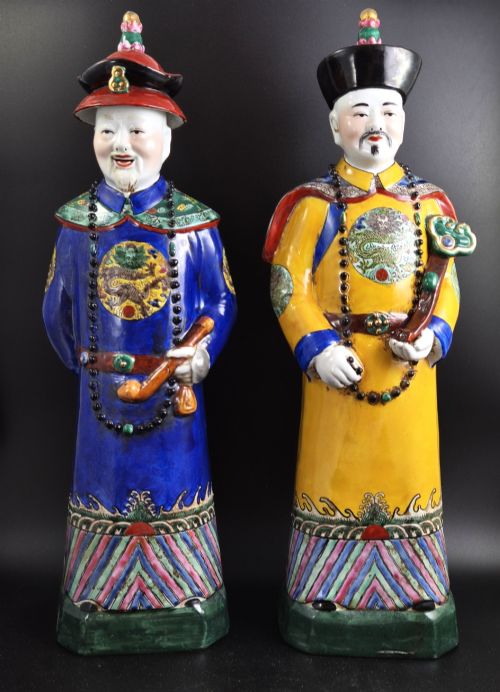
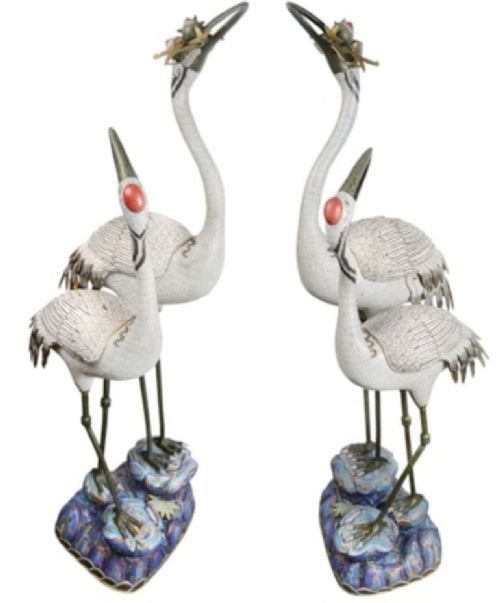
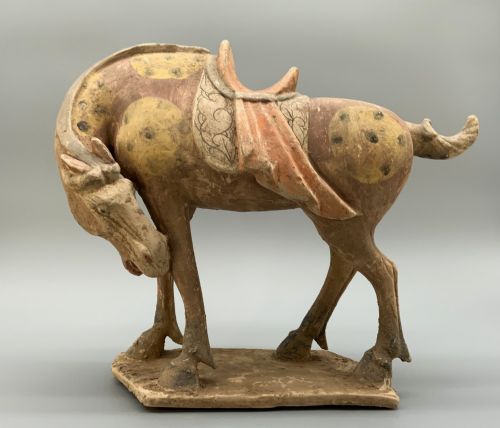
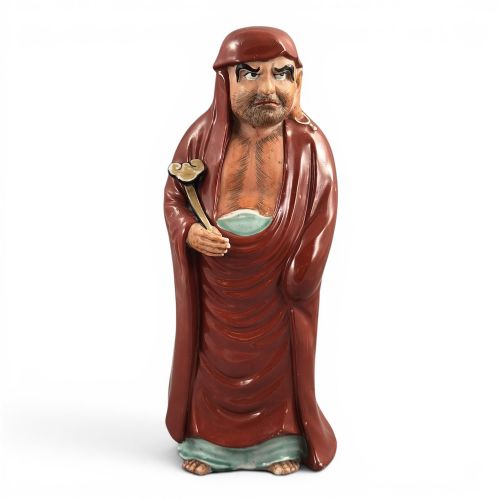
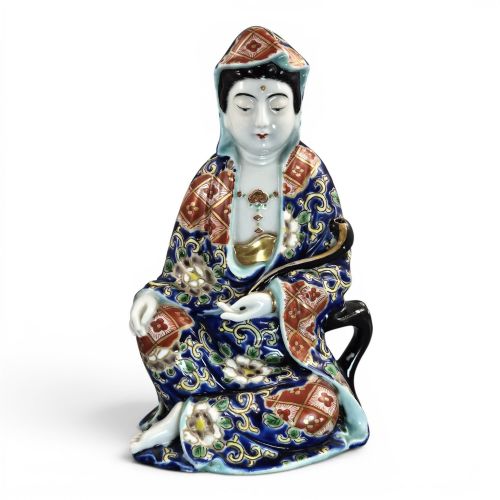
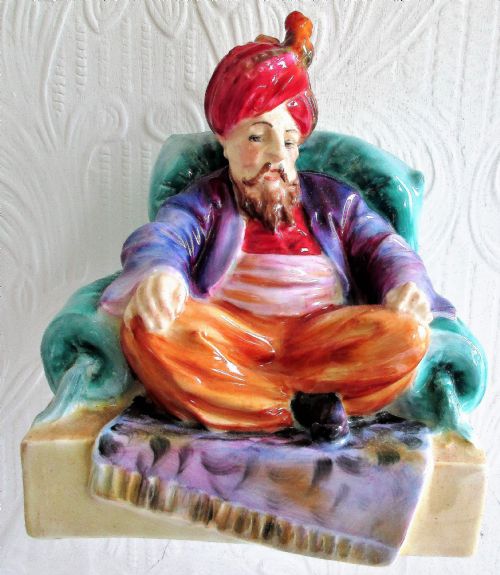
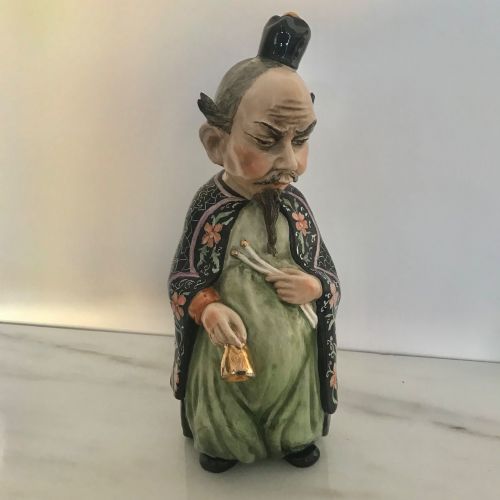
Oriental ceramic statues comprise figures, deities, animals, and mythological beasts rendered in clay, earthenware, and porcelain. When searching for oriental ceramic statues, buyers encounter pieces ranging from Japanese Meiji period okimono and Kutani porcelains to Chinese Qing dynasty figures and Tang style sancai glazed pottery. These works capture historical figures, religious icons, and domestic or mythical fauna across multiple centuries of craftsmanship.
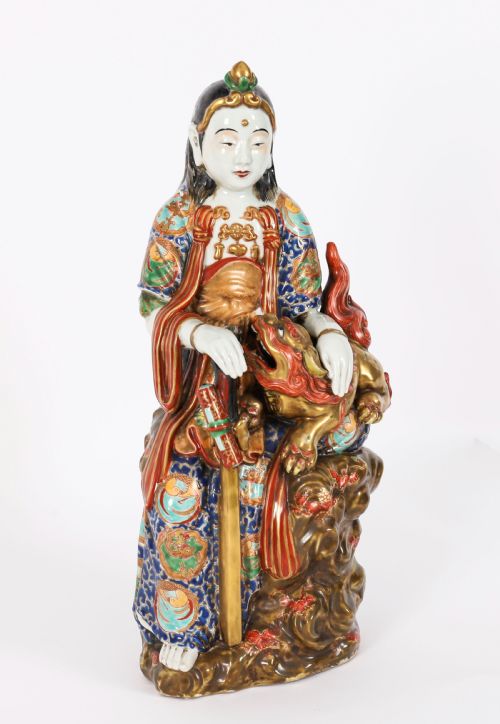
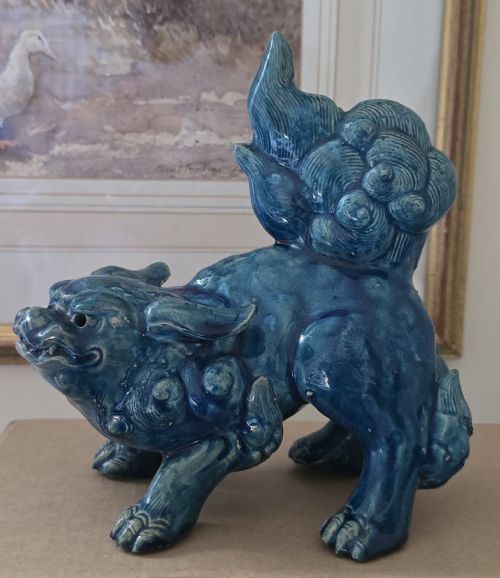
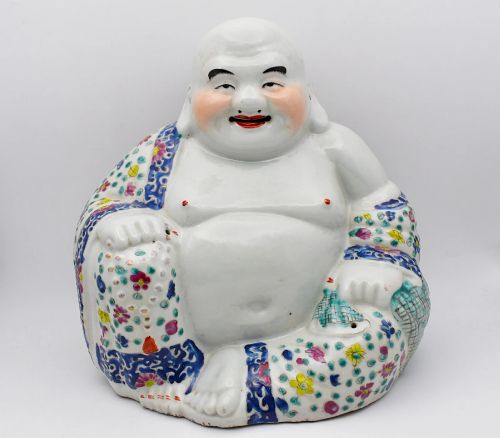
The selection includes large pairs of temple lions, laughing Buddhas, court figures, and delicate porcelain deities like Guanyin and Kannon. Makers drew upon long-standing cultural traditions to shape these subjects for both domestic display and export markets. Many examples reflect specific historical epochs, from eighteenth century Qianlong pieces to late nineteenth century Satsuma and Shiwan productions.
How they were made
Specialist techniques involved multi-part moulds or intricate hand modelling, particularly for complex forms like guardian lions and multi-figure Buddhist triads. Artisans then applied specialised overglaze enamels in workshops associated with prominent kilns like Kutani, Satsuma, and Shiwan.
The selection includes animal figures such as cockerels, ducks, horses, tigers, and guardian lions from Chinese and Japanese kilns.
What varies in quality
Quality in these statues rests upon the precision of the modelling, the clarity of the facial expressions, and the control demonstrated in the glaze application. Finer pieces display crisp rendering of drapery folds and delicate hand-painted enamel work without muddiness or pooling.
The reputation of the producing kilns, identifiable marks, and the fidelity to historical periods like the Qing dynasty or Meiji period also influence distinction. Superior examples combine balanced proportions with expressive vitality, particularly in complex subjects such as Buddhist deities and guardian animals.
Makuzu Kozan II·Zhu Mao Ji·Royal Doulton·Fujian Huiguan Mark
The Oriental Ceramic Statues Glossary
- Okimono
- A small Japanese decorative sculpture intended for display in an interior setting. These freestanding ornaments often depict deities, historical figures, or animals.
- Sancai
- A traditional three-colour lead glaze technique most famously associated with Tang dynasty pottery. The glazes typically mix amber, green, and cream tones that run and merge during firing.
- Famille Rose
- A major palette of Chinese ceramic overglaze enamels introduced during the Qing dynasty. The style is characterised by its predominant use of opaque pink or rose coloured enamel.
- Shishi
- A traditional guardian lion or Buddhist dog sculpture placed to ward off evil spirits. These mythical beasts appear frequently in both Chinese and Japanese ceramic art.
- Bisque
- Unglazed ceramic fired once to a porous state, which allows for subtle surface detail. This matte finish frequently appears on white Dehua porcelain figures.
Oriental Ceramic Statues: Frequently Asked Questions
How do I identify a Meiji period statue?
Meiji period Japanese statues often display intricate hand-painted enamels, gilt highlights, and precise detailing associated with Satsuma or Kutani wares.
Examining the base clay and stylistic markers helps distinguish these late nineteenth and early twentieth century pieces from earlier works.
How should I display ceramic statues safely?
These statues require stable, flat surfaces away from high traffic areas and direct sunlight to protect delicate hand-enamelled surfaces.
Heavier ceramic and porcelain pieces need sturdy shelving that can adequately support their weight without shifting.
Are these statues glazed or unglazed?
The finish varies depending on the ceramic type and period, ranging from high-gloss turquoise and sancai glazes to matte terracotta and bisque surfaces.
Potters selected specific finishes to complement the subject matter, whether depicting a shiny porcelain deity or a textured pottery horse.