



Oriental Carved Wood Chairs
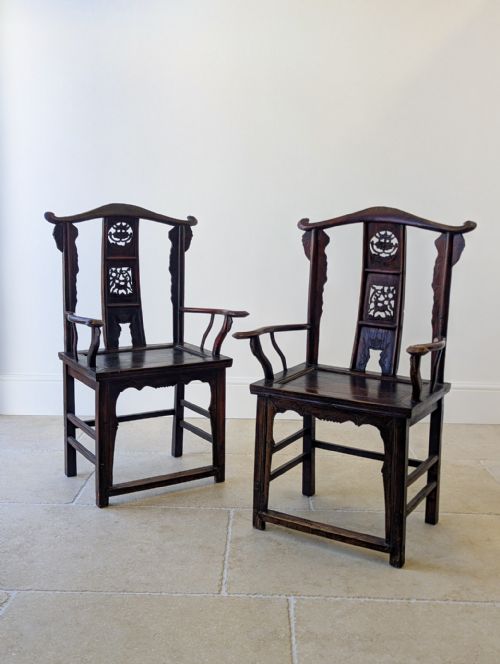
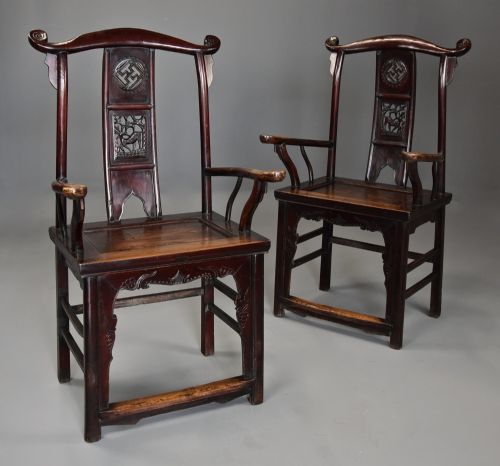
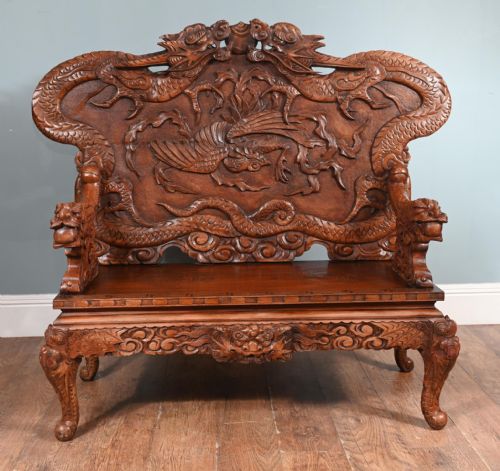
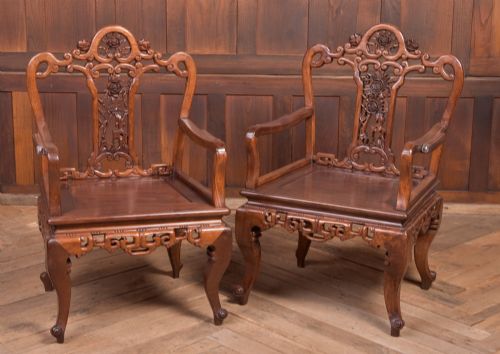
Oriental carved wood chairs bring dense hand-carved detail and dense timbers like rosewood, elm and hongmu into an interior.
Oriental Carved Wood Chairs
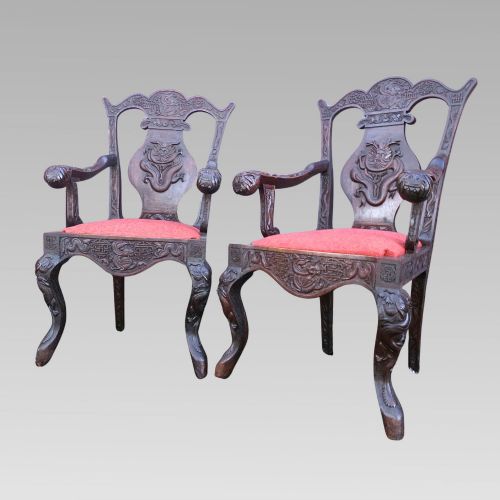
Oriental carved wood chairs encompass seating pieces originating from China, India and Burma, spanning styles such as Qing Dynasty, Anglo-Indian and Chinese Export. Buyers searching this phrase will most frequently encounter armchairs, hall chairs and benches constructed from solid timbers.
Materials and construction
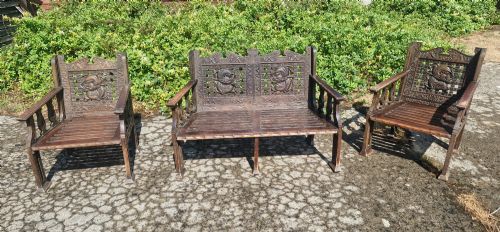
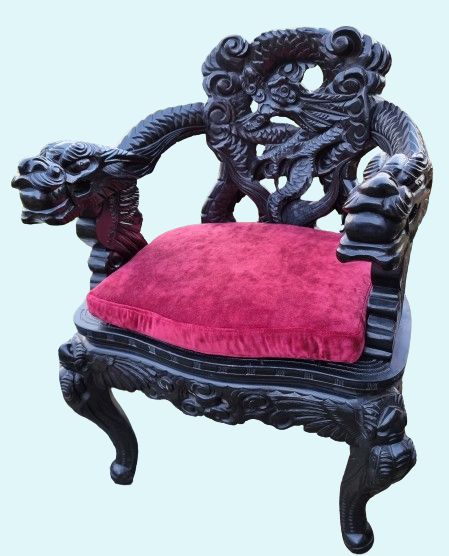
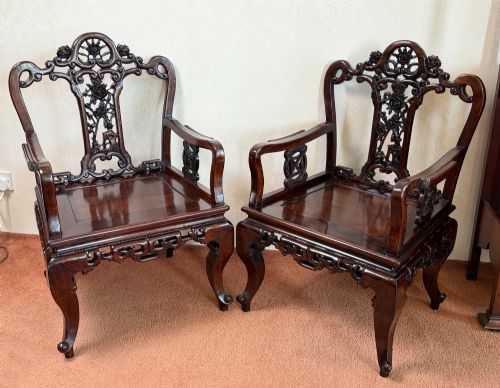
These items rely on dense native and regional timbers, predominantly hardwood, elm, rosewood, teak and blonde wood. Joinery techniques often combine traditional framing with deep relief carving depicting dragons, foliage and figurative scenes.
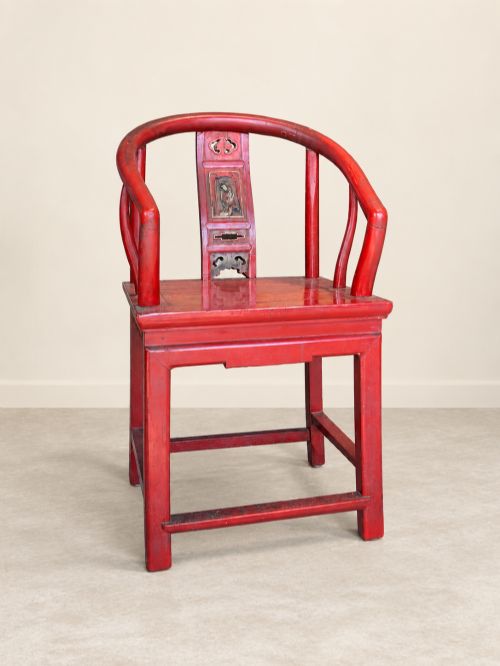
Surface finishes vary from polished natural grain showing good patina to red lacquer and cinnabar lacquer applications. Some examples incorporate upholstered elements in velvet alongside carved wooden seats.
Current listings span the nineteenth and early twentieth centuries, featuring elm, rosewood, teak and cinnabar lacquer across Chinese and Anglo-Indian designs.
Assessing the work
Quality rests in the crispness and depth of the hand-carved ornamentation, where sharper relief and balanced composition elevate a piece above simpler production. The selection of timber also dictates standard, with dense rosewood and hongmu carrying greater natural weight and grain definition than standard utility woods.
Structural integrity and the preservation of original surface treatments, such as lacquer or aged patina, determine desirability. Pieces retaining matched grain and unified form across pairs demonstrate superior workshop standards.
The Oriental Carved Wood Chairs Glossary
- Yoke-back armchair
- A traditional Chinese chair style featuring a top creil rail that resembles an ox yoke, often curving outward for head support.
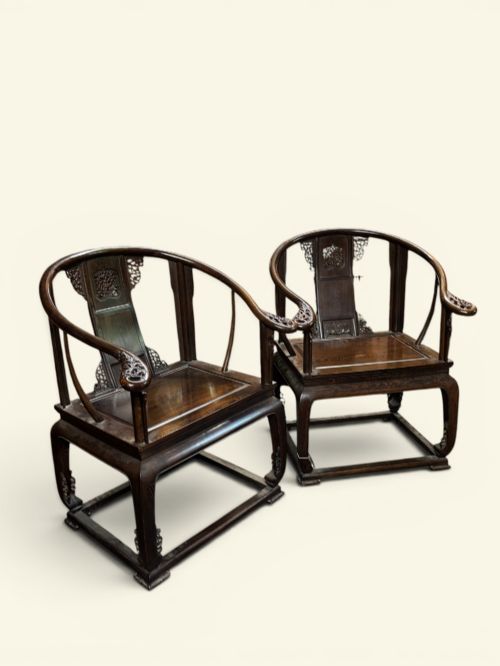
- Horseshoe-back
- A continuous curved back and arm rail that sweeps downward in a single fluid arc, commonly supported by canted uprights.
- Hongmu
- A translation meaning red wood, referring to various dense, heavy Asian hardwoods prized for dark tones and fine grain.
- Cinnabar lacquer
- A building up of multiple coats of vermilion-coloured lacquer derived from mercury sulphide, carved while still pliable.
- Lamp hanger chair
- A Chinese chair design characterised by slender upright members extending past the seat frame, resembling domestic pole structures.
Oriental Carved Wood Chairs: Frequently Asked Questions
How do I identify a Qing Dynasty chair?
Look for traditional joinery methods, robust hardwood construction and characteristic motifs such as dragons or scrolling foliage.
These pieces often display distinct forms like the horseshoe-back or yoke-back configuration tied to specific dynastic periods.
Are these chairs comfortable for daily use?
Many examples feature upright wooden seats designed for formal posture rather than deep lounging.
Adding small silk cushions or placing them in hallways and studies allows them to function practically without altering the antique surface.
What is the difference between elm and hongmu?
Elm is a domestic timber offering visible grain patterns and a lighter hue, frequently utilised in regional Chinese seating.
Hongmu denotes heavier, denser tropical hardwoods that take a darker finish and heavier hand-carved relief.
How should I care for lacquered wood?
Keep lacquer finishes away from direct sunlight and maintain stable indoor humidity to prevent drying or cracking.
Dust gently with a dry, soft cloth and avoid chemical polishes that can lift the delicate surface layers.