



Oriental Bronze Sculpture Pair
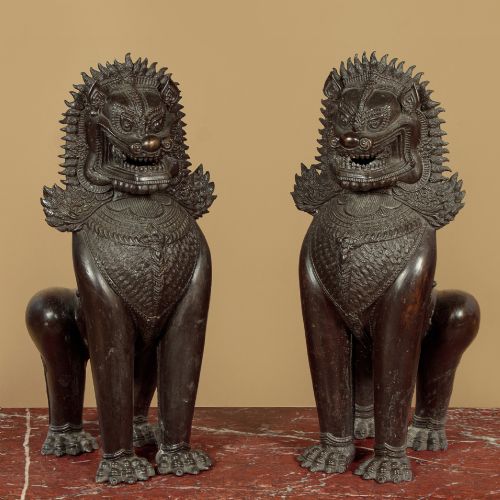
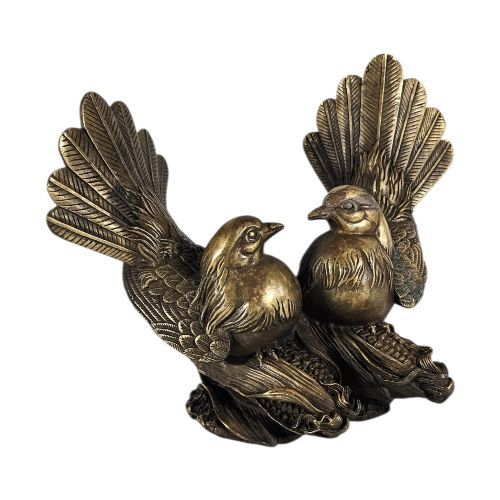
These oriental bronze sculpture pair examples span temple lions and cranes, offering striking symmetry for any room.
Oriental Bronze Sculpture Pair
An oriental bronze sculpture pair brings matched decorative weight to a room, frequently taking the form of temple lions, cranes, horses, or elephants. When searching for an oriental bronze sculpture pair, buyers encounter works originating from Chinese, Japanese, Tibetan, and Southeast Asian traditions.
How they were made
Metals such as bronze and brass form the structural body of these sculptures, occasionally accompanied by copper, stone, or gilt bronze details. Cloisonne enamel also appears on specific imperial style pieces, adding colourful surface patterns to the metal base.
Casting techniques create the substantial weight and scale seen in these temple figures and animal pairs. Artisans shape intricate details into the metal, reflecting Japanese Meiji and Chinese imperial styles.
Oriental Bronze Sculpture Pair Retail Price Guide 2026
Typical asking prices for oriental bronze sculpture pair among the pieces listed under this phrase on Sellingantiques today, from the lower quarter to the upper quarter. They describe what is for sale here now, not the wider market.
The current listings feature bronze, brass, and cloisonne enamel across nineteenth-century and early twentieth-century periods.
What varies in quality
Scale and proportion distinguish the finest pairs, with larger temple sculptures commanding visual presence through careful anatomical modelling. The intricacy of surface work, from gilt bronze highlights to cloisonne enamel precision, marks the distinction between standard and superior examples.
Material choice and finishing methods also separate the pieces, as solid bronze and heavy brass foundations outlast lighter constructions. The fidelity to historical styles, whether Tibetan Buddhist art or late Qing dynasty motifs, defines the artistic standard of each pair.
The Oriental Bronze Sculpture Pair Glossary
- Foo Dog
- A traditional guardian lion sculpture placed in pairs to protect sacred or domestic spaces. These mythical beasts display fierce expressions and ornate manes.
- Cloisonne
- An enamelwork technique where metal wires form compartments on a bronze base before coloured paste is applied and fired. This method creates vibrant decorative surfaces.
- Meiji
- A Japanese historical period spanning the late nineteenth and early twentieth centuries known for detailed metalwork and bronze casting. Works from this era often depict natural subjects like geese and elephants.
- Gilt Bronze
- Metal sculpture coated with a thin layer of gold to give a rich, reflective surface finish. This technique enhances the decorative impact of temple lions.
Oriental Bronze Sculpture Pair: Frequently Asked Questions
Where were these sculptures placed?
Temple lions and guardian figures typically stood at entrances or inside sacred buildings to provide protection. Pairs of birds, horses, or vases were displayed within domestic settings for visual symmetry.
Larger scaled examples commanded floor space in halls, while smaller incense burners and vases sat upon furniture surfaces.
How do I identify a pair?
Matched pairs share identical motifs, casting styles, and materials, though subtle hand-finished variations often remain visible. They are designed to mirror one another when placed on opposite sides of a room or altar.
Examining the base metal and surface wear helps confirm that two individual sculptures belong together as an original set.
What materials are used?
Bronze and brass serve as the primary metals for casting these sculptures and incense burners. Additional decorative elements include gilt bronze highlights, copper, stone, and cloisonne enamel.
The choice of material often reflects the region and period of manufacture, from Tibetan Buddhist figures to Japanese Meiji bronzes.
How do I care for bronze?
Dusting the surface gently with a soft cloth preserves the natural patina accumulated over the centuries. Avoid using harsh chemical cleaners or abrasive polishes that can strip away the aged finish.
Keeping the sculptures in stable indoor conditions protects both the metal body and any delicate enamel or gilt details.