





Orange Glazed Ceramic
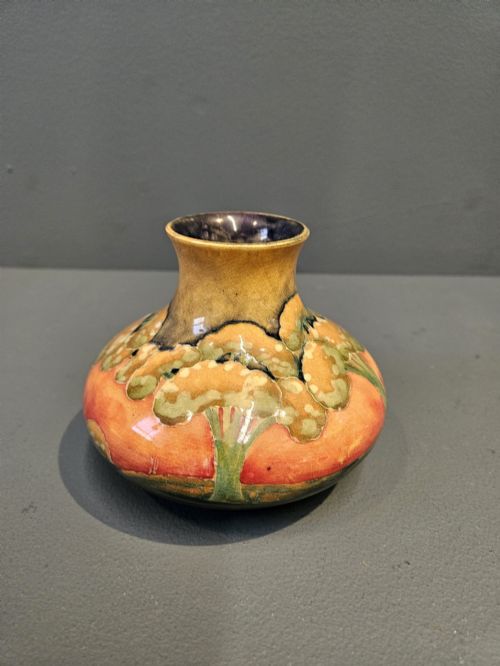
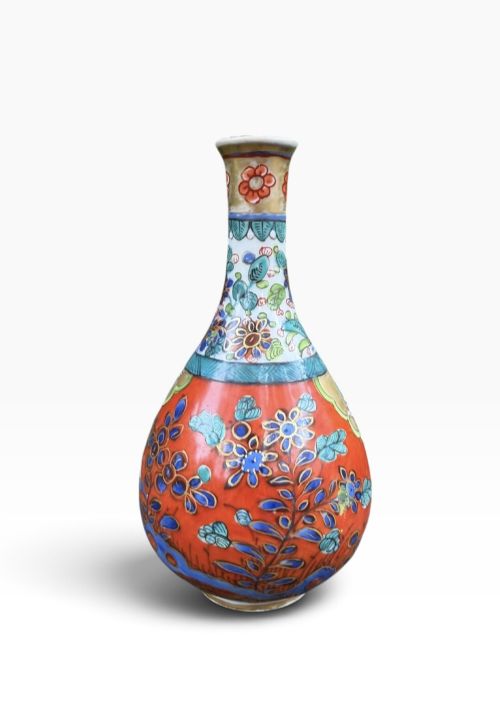
These orange glazed ceramic pieces offer striking colour and rich glaze depth across centuries of pottery traditions.
Orange Glazed Ceramic
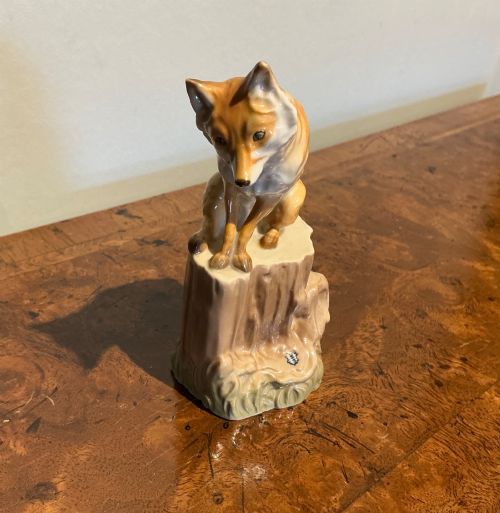
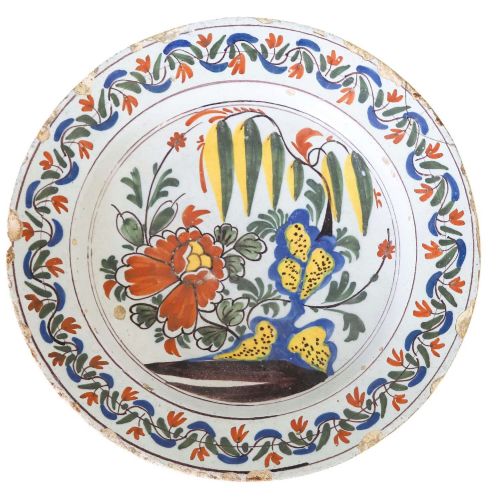
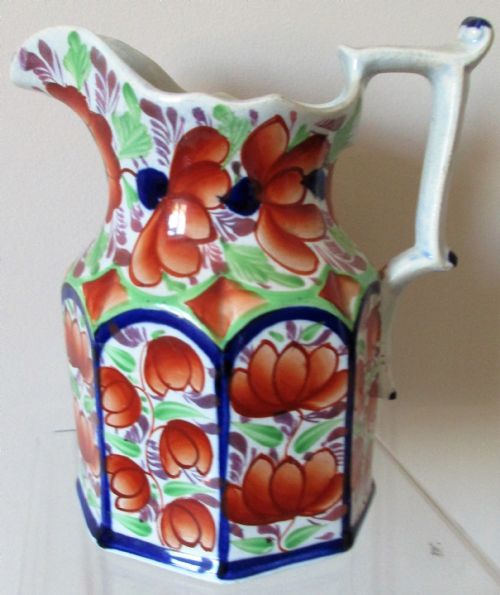
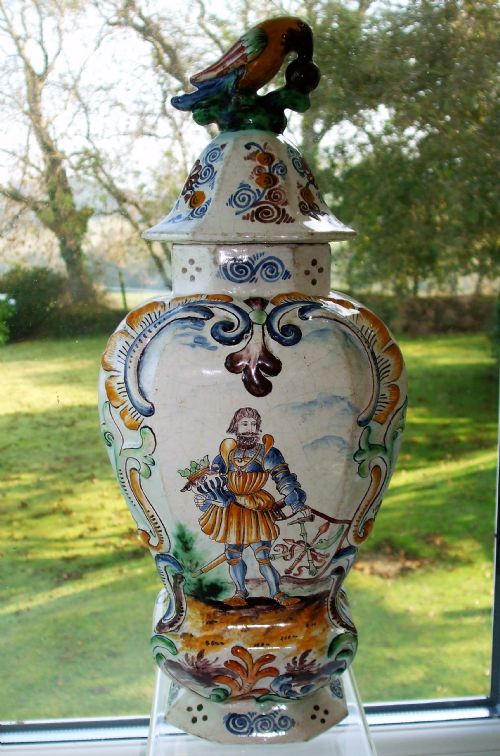
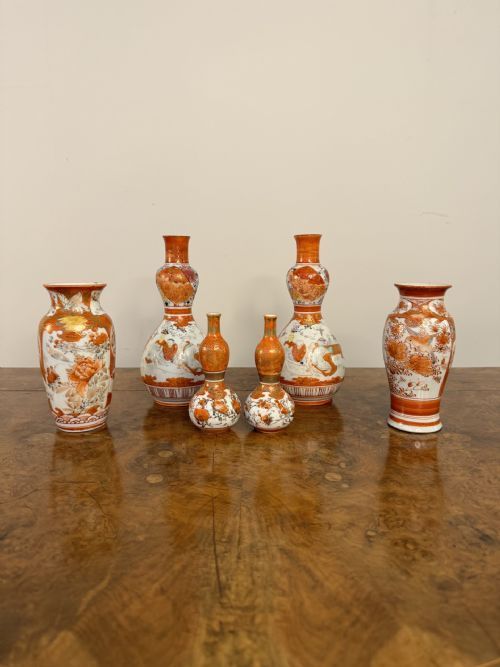
When searching for orange glazed ceramic, collectors encounter a diverse array of objects spanning from the seventeenth century through the art deco period. The selection on this page centres on earthenware, porcelain, and stoneware shaped into vases, chargers, jugs, and decorative figures.
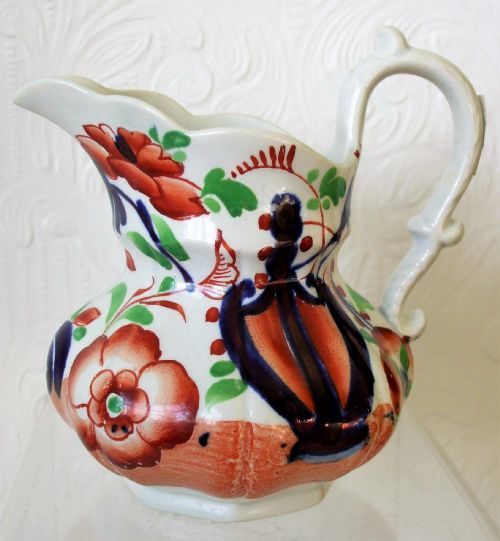
Vessels and figures often feature hand-painted details or rich lustres that showcase varied tones of orange. Pieces range from early Delftware and Gaudy Welsh pottery to twentieth-century art deco designs by notable makers.
The materials vary from tin-glazed earthenware to modern pottery utilising vibrant enamel glazes. Each piece demonstrates specific regional techniques from English, Dutch, German, and Asian workshops.
How orange glazed ceramic was crafted
Potters shaped earthenware, stoneware, and porcelain bodies before applying liquid glazes containing metallic oxides to achieve the desired colour. Firing took place in kilns where temperatures transformed the mineral components into durable ceramic surfaces.
Techniques such as tin-glazing, salt-glazing, and lustre applications created distinct surface textures and reflective finishes. Artisans frequently added hand-painted motifs or tubelined designs beneath or over the initial glaze layers before final firing.
Orange Glazed Ceramic Retail Price Guide 2026
Typical asking prices for orange glazed ceramic among the pieces listed under this phrase on Sellingantiques today, from the lower quarter to the upper quarter. They describe what is for sale here now, not the wider market.
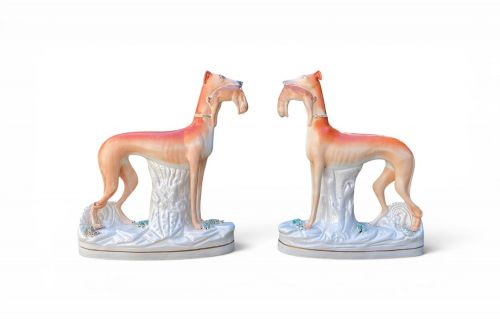
Staffordshire potters immortalised loyal greyhounds and watchful cats in ceramic, giving homes enduring feline and canine companions.
What separates fine orange glazed ceramic pieces
Quality rests in the precision of the form, the depth and evenness of the glaze, and the clarity of any painted or tubelined decoration. Superior examples display careful control during the kiln firing, resulting in vibrant surfaces without unintended blemishes or pooling.
Artistic execution dictates distinction among decorative figures and painted chargers, where confident brushwork elevates the piece. The integrity of the ceramic body and the preservation of original hand-painted details remain central to a piece's standing.
Charlotte Rhead Crown Ducal·Wedgwood·Royal Lancastrian·Clarice Cliff·Royal Bayreuth·Nymphenburg·Thomas Parr
The Orange Glazed Ceramic Glossary
- Delftware
- Tin-glazed earthenware produced in England and the Netherlands, typically featuring a white or pale ground decorated with pigments. It became prominent during the seventeenth and eighteenth centuries.
- Lustre
- A type of ceramic glaze that imparts a metallic or iridescent sheen through the reduction of metallic oxides during firing. It gained popularity on decorative wares in the early twentieth century.
- Charger
- A large ornamental plate intended for display rather than dining. These pieces often hang on walls or sit on sideboards to showcase intricate painted designs.
- Tubelining
- A ceramic decoration technique where a thin trail of slip is squeezed through a nozzle onto the clay body to outline patterns before glazing. This creates raised borders that contain subsequent enamel colours.
- Slipware
- Pottery decorated with slip, which is a liquid mixture of clay and water applied to the unfired body. It appears on traditional earthenwares from earlier centuries.
Orange Glazed Ceramic: Frequently Asked Questions
What periods do these ceramics cover?
The selection encompasses items originating from the seventeenth, eighteenth, nineteenth, and early twentieth centuries. Pieces reflect distinct manufacturing eras including the Victorian period and art deco movements.
Each era utilises specific clay bodies and glazing methods that help determine the age of the object. Stylistic markers and occasional factory marks confirm the period of production.
How were orange glazes achieved historically?
Potters relied on metallic oxides, particularly iron and lead compounds, mixed into liquid glazes or applied as enamel overglazes. Kiln atmospheres were carefully controlled to draw out the desired orange and terracotta tones.
Later periods introduced specialised lustre techniques and chemical formulations to produce vibrant orange and copper reflections. These chemical interactions dictated the final colour depth during firing.
Are these items marked by makers?
Many pieces carry impressed, painted, or printed factory marks, monograms, or pattern names on their bases. These marks assist in identifying the pottery or individual decorator.
Unmarked pieces are attributed through stylistic analysis, glaze characteristics, and comparative examples from the same era. Documentation often links specific shapes and decorative patterns to known workshops.