





Orange Flower Painting
These orange flower painting examples range from oil on canvas to hand-painted porcelain plates, offering vibrant floral motifs for your home.
Orange Flower Painting
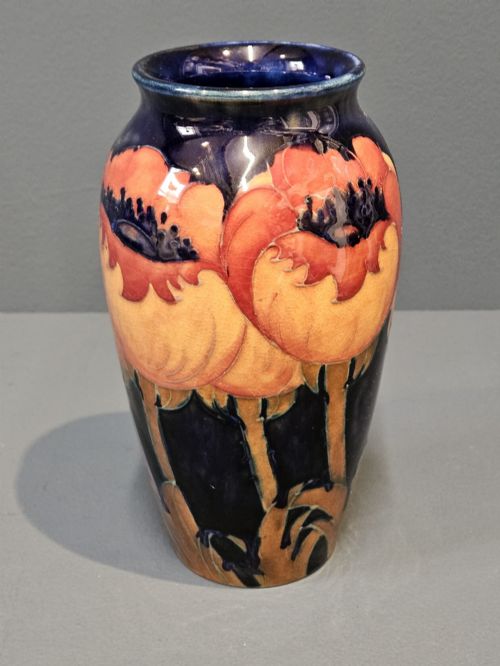
When you search for orange flower painting, you encounter a diverse array of decorative arts and fine art spanning multiple centuries and origins. The selection encompasses oil on canvas paintings depicting floral still lifes alongside ceramic objects featuring hand-painted botanical motifs.
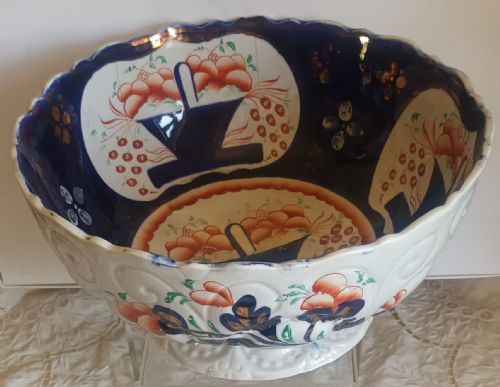
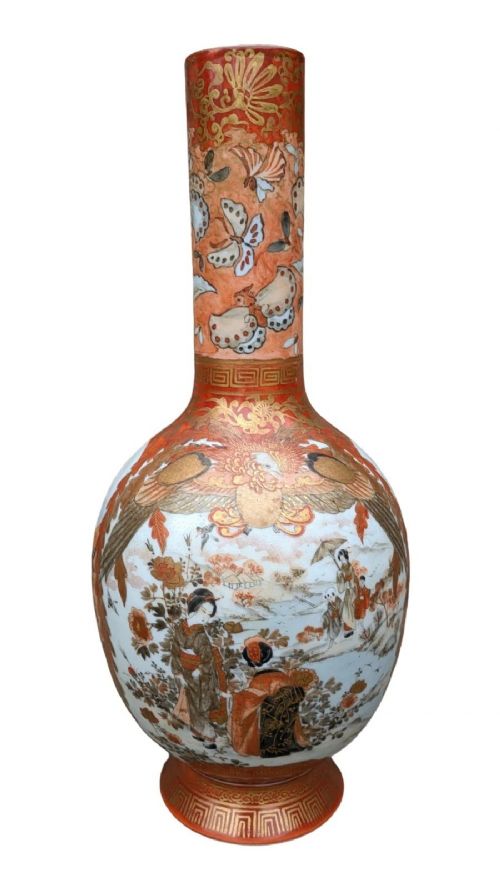
You are most likely to meet mid-century oil paintings on canvas alongside 19th-century and 20th-century ceramic plates, vases, and jardinieres. These pieces originate from various traditions, including Japanese Imari wares and European fine art contexts.
The forms vary from large decorative jardinieres and vases to framed still life canvases. Each item displays floral subjects rendered through different media, uniting painting techniques with ceramic decoration.
How they were made
The physical objects combine canvas supports with oil pigments, or ceramic bodies finished with glaze and enamel. Painters apply oil on canvas using traditional brushwork to build up compositions of autumn flowers and still life arrangements.
Ceramic pieces utilise earthenware and porcelain bases decorated with enamel and glaze. Artisans shape vessels like vases and jardinieres before applying intricate painted designs that often incorporate traditional Japanese or European motifs.
Orange Flower Painting Retail Price Guide 2026
Typical asking prices for orange flower painting among the pieces listed under this phrase on Sellingantiques today, from the lower quarter to the upper quarter. They describe what is for sale here now, not the wider market.
Some floral paintings capture autumn blossoms so vividly you might feel a sudden urge to sweep up invisible falling leaves.
What varies in quality
Quality in these works is defined by the precision of the brushwork and the complexity of the painted composition. Finer oil paintings exhibit nuanced control of light and colour within the floral arrangement.
For ceramic items, the refinement of the glaze, the crispness of the enamel details, and the overall execution of the painted floral pattern distinguish the superior examples from standard production.
Moorcroft·Legras·A Nikolokov·Harold Arthur Burke
The Orange Flower Painting Glossary
- Imari
- A style of Japanese porcelain decorated in underglaze blue and overglaze colours like red, gold, and orange. It became widely exported to Europe during the Edo and Meiji periods.
- Jardiniere
- A large ornamental pot or stand designed to hold plants or flowers. They appear in ceramic and porcelain materials across various historical periods.
- Oil on Canvas
- A traditional painting medium where pigments are suspended in drying oils and applied to a stretched fabric surface. This technique allows for rich texture and deep colour blending.
- Earthenware
- A type of pottery made from clay that is fired at relatively low temperatures and rendered porous unless glazed. It forms the base for many traditional decorative bowls and plates.
Orange Flower Painting: Frequently Asked Questions
How do I display an oil painting of flowers?
Hang your canvas in a position with indirect natural light to protect the oil pigments from fading over time. Pair it with complementary wall colours that highlight the warm tones within the floral composition.
Ensure the frame suits the period of the painting, whether it is a mid-century work or an earlier portrait. Secure it firmly to the wall using appropriate fixings for its weight.
Where should I place a ceramic jardiniere?
Position your jardiniere on a sturdy table or floor pedestal where its detailed glaze and painted patterns can be observed clearly. These heavy vessels work well as standalone decorative objects or as containers for potted plants.
Protect underlying wooden surfaces with a waterproof mat or saucer if you plan to use live plants inside the ceramic body. Keep the piece away from areas of heavy foot traffic to prevent accidental knocks.
How do I distinguish 19th-century ceramics from modern pieces?
Examine the base of the pottery or porcelain for foot rims, maker marks, and signs of age such as crazing in the glaze. Nineteenth-century pieces often display hand-applied pigments and variations characteristic of earlier manufacturing techniques.
Compare the weight and body material against known examples from periods like the Victorian era or the Meiji period. Look for the distinct wear patterns that accumulate on older decorative items over decades of handling.