






Orange Ceramic Charger
An orange ceramic charger delivers bold colour and scale to a wall or table, drawing the eye instantly through rich pigments and generous diameters.
Orange Ceramic Charger
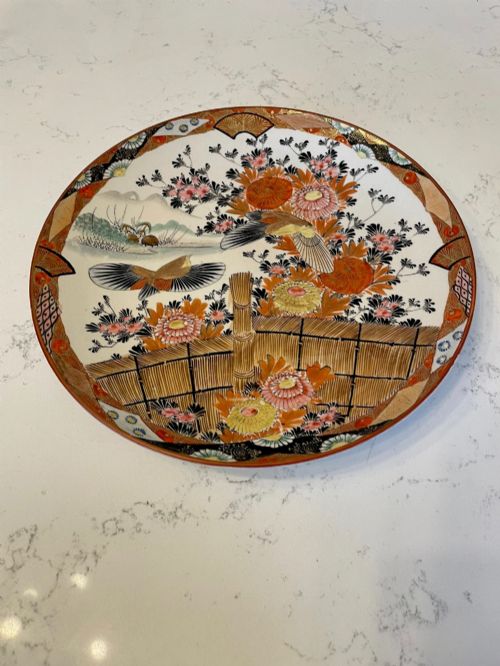
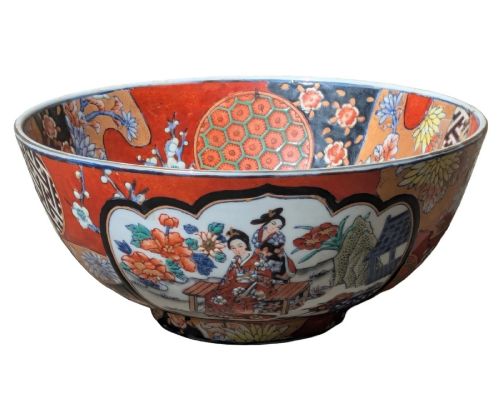
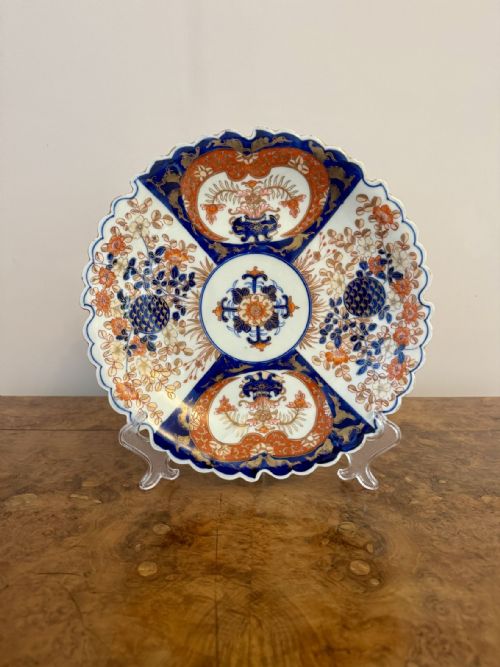
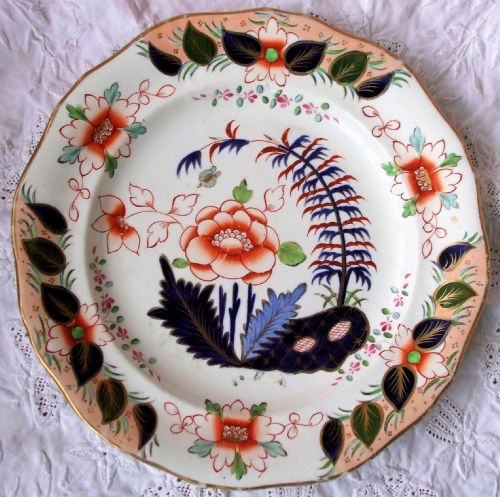
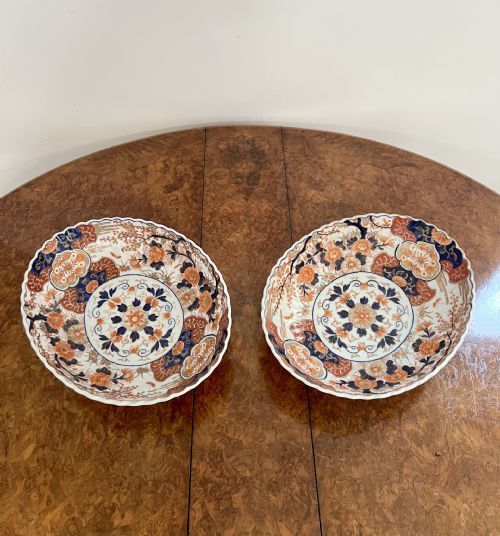
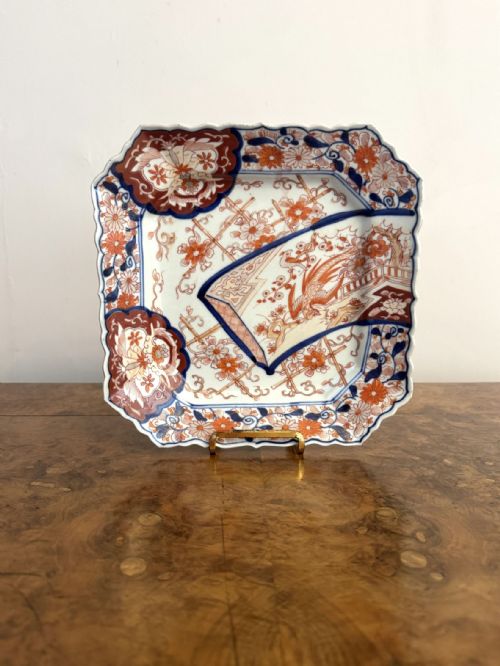
An orange ceramic charger is a wide, decorative plate or shallow bowl meant primarily for display rather than routine dining. When you search for this phrase, you encounter substantial earthenware and porcelain pieces designed to make a strong visual statement in a room.
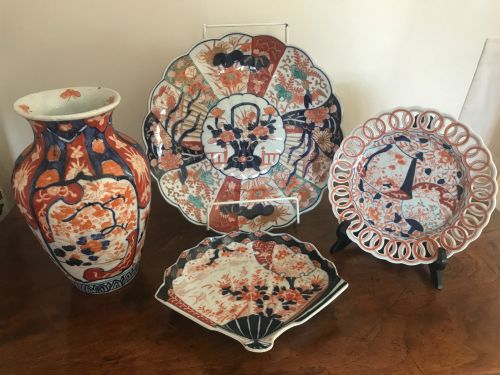
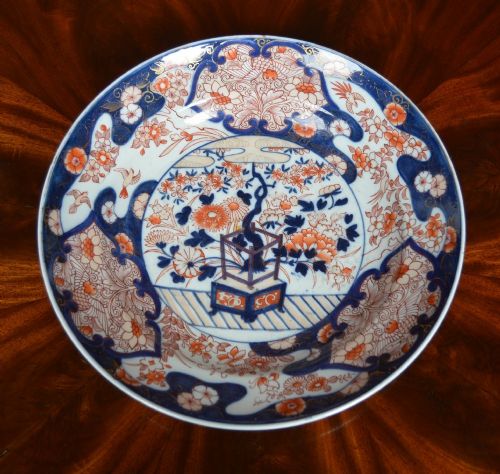
The selections span centuries and traditions, featuring English Delftware and ironstone alongside Japanese Imari porcelain and Chinese painted dishes. Many examples date from the nineteenth and early twentieth centuries, though eighteenth-century English and Japanese pieces appear regularly.
Forms vary from traditional circles to hexagonal, square, fan-shaped, and scalloped silhouettes. These larger dishes provide a broad canvas for complex hand-painted motifs, rich glazes, and prominent polychrome patterns.
How they were made
Potters shaped these large ceramic and porcelain bodies by hand or on a wheel before applying intricate underglaze and overglaze pigments. Ironstone, earthenware, and porcelain provide the structural base for the varied weights and profiles seen across these listings.
Makers utilised cobalt blues, iron reds, and enamel highlights alongside gold leaf and gilding to build up deep, layered palettes. Certain twentieth-century pieces incorporate tubelined designs where raised clay lines contain the fluid glazes.
Orange Ceramic Charger Retail Price Guide 2026
Typical asking prices for orange ceramic charger among the pieces listed under this phrase on Sellingantiques today, from the lower quarter to the upper quarter. They describe what is for sale here now, not the wider market.
Materials span earthenware, porcelain, and ironstone enhanced with gilding and enamel.
What varies in quality
The refinement of the painted brushwork separates ordinary utility wares from exceptional display pieces. Crisp hand-painted details, precise outlines, and balanced compositions indicate superior skill in the studio or pottery.
The depth and brilliance of the glaze, combined with the crispness of the porcelain or ironstone body, determine the overall presence of the dish. Signed works and pieces retaining vibrant original enamels command closer attention from serious collectors.
John Davenport of Longport·Charlotte Rhead Crown Ducal·Shozo
The Orange Ceramic Charger Glossary
- Charger
- A large decorative plate or shallow dish traditionally used for display or as a base for smaller tableware. These pieces typically exceed standard dinner plate dimensions.
- Imari
- A style of Japanese porcelain featuring a distinct palette of underglaze blue, iron red, and gold, often adapted by European potteries. The style originates from the port of Imari in Hizen province.
- Delftware
- English or Dutch tin-glazed earthenware decorated with opaque white glaze and hand-painted polychrome or blue pigments. Production flourished through the seventeenth and eighteenth centuries.
- Ironstone
- A heavy, durable type of earthenware patented in the nineteenth century to imitate Chinese porcelain. It provides a sturdy body suitable for large decorative chargers.
- Tubelined
- A ceramic decorating technique where a fine line of liquid clay is squeezed onto the unglazed body to form raised outlines that separate different coloured glazes.
Orange Ceramic Charger: Frequently Asked Questions
How were orange ceramic chargers used?
These large dishes served primarily as decorative display pieces on sideboards, walls, or tables rather than for serving food.
Their substantial size and rich painted decoration made them focal points in dining rooms and parlours.
How do I hang a heavy charger?
Displaying a large ceramic plate on a wall requires a dedicated spring-loaded wall hanger designed to support the specific weight and diameter of the piece.
Ensure the fixings securely anchor into wall studs or solid masonry rather than relying on standard picture hooks.
Are these chargers safe for food?
Most antique chargers are intended strictly for decorative display due to their age and delicate painted surfaces.
Historic glazes and enamels may not meet modern standards for culinary use, so reserve them for visual appreciation.