





Old Silver Tray
An old silver tray brings tactile weight to any surface, offering the distinct lustre of fused metal that appeals to collectors of period tableware.
Old Silver Tray
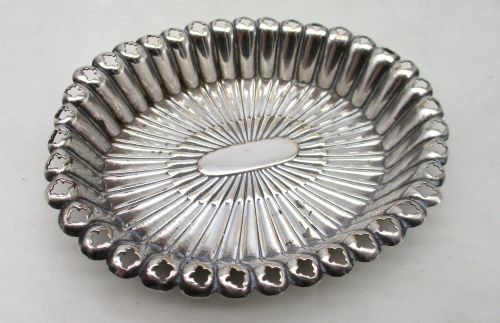
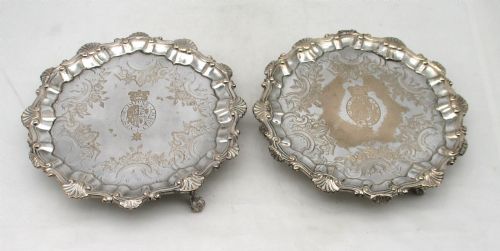
When you search for an old silver tray, you encounter an array of serving vessels, card trays, and knife trays spanning the eighteenth and nineteenth centuries. These items serve both functional and decorative purposes in domestic settings, often taking forms such as salvers, wine coasters, and trinket dishes.
The versions you are most likely to meet on this page belong to the Georgian, Regency, William IV, and Victorian eras. Makers utilised techniques characteristic of Old Sheffield Plate and silver plate, producing varied forms from small card receivers to very large serving trays.
How they were made
Makers constructed these pieces primarily using Old Sheffield Plate, a process involving the fusion of a thin sheet of silver to a thicker copper core. This fused metal was then beaten, rolled, and shaped into trays and salvers, often featuring applied silver borders.
Craftsmen also utilised solid silver and standard silver plate over copper bases, incorporating decorative styles such as Rococo Revival moulding. The integration of copper beneath the silver layer becomes visible over centuries of handling and polishing.
Old Silver Tray Retail Price Guide 2026
Typical asking prices for old silver tray among the pieces listed under this phrase on Sellingantiques today, from the lower quarter to the upper quarter. They describe what is for sale here now, not the wider market.
Several trays doubled as miniature drying racks for wet cutlery, proving that even eighteenth-century domestic life involved practical dish management.
What varies in quality
The distinction between standard examples and finer pieces lies in the crispness of the chased or engraved ornamentation and the integrity of the fused metal plate. Higher quality items maintain their original silver thickness with minimal bleed of the underlying copper through the surface.
Proportion and maker attribution also influence the character of each piece. Trays bearing recognizable marks from known makers command attention for their superior weight, balanced form, and careful execution of period styles.
Creswick·Walker Knowles·Padley Parkin·J Dixon & Sons
The Old Silver Tray Glossary
- Old Sheffield Plate
- A composite material made by fusing a thin layer of silver onto a copper ingot before rolling them into sheets together. This technique preceded modern electroplating.
- Salver
- A flat tray, typically with feet, used for serving food or drinks or for presenting calling cards. These often feature decorative chased borders.
- Mazarine
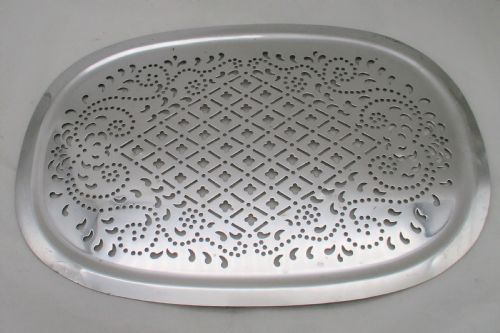
- A flat, pierced silver or plated insert used for draining liquid from food on a serving dish. Such pieces are less common in standard tableware collections.
- Chamber candlestick
- A low candlestick fitted with a pan or tray to catch wax drips, designed for carrying through a house at night.
Old Silver Tray: Frequently Asked Questions
How do I clean an old silver tray?
Clean your piece gently with a soft cloth and a specialised silver polish designed for plated items. Avoid harsh abrasives that might wear through the thin silver layer to the copper beneath.
Regular, gentle dusting helps preserve the surface finish without stripping away the historical patina that accumulates over generations of use.
What is Old Sheffield Plate?
Old Sheffield Plate is an early form of plated metal created by fusing silver and copper together through heat and pressure. This method produces a material distinct from later nineteenth-century electroplating.
Items made this way often reveal a faint line of copper along the cut edges or where wear has occurred through extensive polishing.
How were these trays originally used?
These trays served various domestic functions, from carrying drinks and wine coasters to presenting visiting cards in a hallway. Smaller versions held trinkets or letters.
Larger serving trays and knife trays assisted dining rituals in period households, combining practical utility with polished display on sideboards.
Can I use these trays daily?
You can incorporate these pieces into daily life by using them for display or gentle serving purposes. Care should be taken to avoid acidic foods and abrasive cleaning methods.
Placing felt pads beneath items set on the surface prevents scratching and helps maintain the integrity of the antique metal.