




Old Sheffield Tray
An old sheffield tray is a fusion of copper and silver, prized for its subtle warmth and historic edge.
Old Sheffield Tray
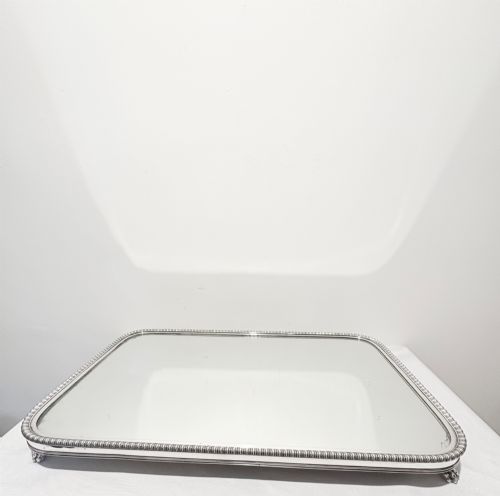
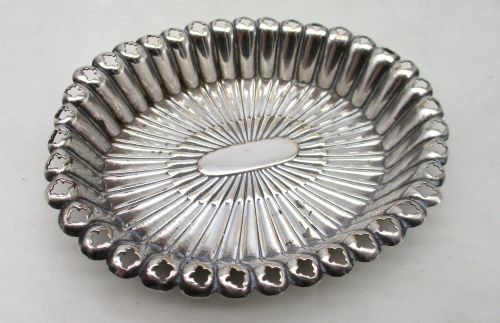
When you search for an old sheffield tray, you are looking at early fused metalwork spanning the eighteenth and nineteenth centuries. These pieces encompass everything from card trays and knife trays to serving trays and salvers, reflecting the domestic habits of Georgian and Victorian households.
You are most likely to meet nineteenth century iterations on this page, alongside earlier eighteenth century examples. Styles range from Georgian and Regency to Rococo Revival and Early Victorian, showing how utilitarian tableware evolved into decorative display items.
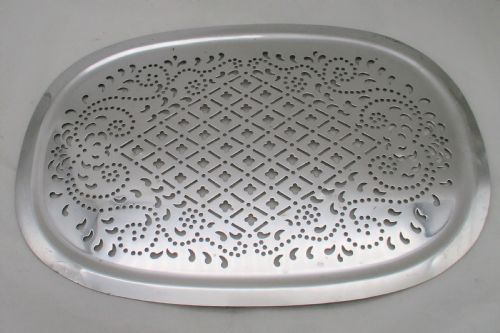
The forms vary widely in scale, including small calling card dishes, draining plates, and larger drinks trays. Each version demonstrates the distinct utilitarian or social role it held in period dining and entertaining.
How they were made
The primary technique relies on fusing a thin sheet of silver to a thicker copper core, a method developed in Sheffield that created a durable composite material. Makers then formed these sheets into trays and salvers, often adding applied silver wire borders to conceal the exposed copper edges.
Craftsmen shaped the metal through hand-beating and soldering, mounting cast handles and feet onto the main body. The combination of copper and silver gives these items a distinct character as the underlying base metal slowly shows through with age.
Old Sheffield Tray Retail Price Guide 2026
Typical asking prices for old sheffield tray among the pieces listed under this phrase on Sellingantiques today, from the lower quarter to the upper quarter. They describe what is for sale here now, not the wider market.
Listings feature copper and silver materials across Georgian, Regency, and Victorian styles.
What varies in quality
Quality rests in the crispness of the chased decoration and the proportion of the applied silver borders relative to the body. Pieces with well-preserved fusion layers and minimal base metal bleed demonstrate superior initial manufacture.
The weight of the copper core and the elegance of the cast handles or feet separate standard utility items from finer display pieces. Maker attribution also plays a role, with certain workshops achieving a higher standard of finish and detail.
Creswick·Walker Knowles·Padley Parkin·J Dixon and Sons
The Old Sheffield Tray Glossary
- Old Sheffield Plate
- A composite material made by fusing silver onto a copper ingot before rolling them into sheets together.
- Salver
- A serving tray, usually made of metal and raised on feet, used for handing round glasses or documents.
- Mazarine
- A decorative draining plate or insert used in serving food to keep items clear of juices.
- Card Tray
- A small shallow tray left in a hallway for visitors to deposit calling cards.
- Georgian
- The period covering the reigns of the first four Georges, known for classical restraint followed by ornate revival styles.
Old Sheffield Tray: Frequently Asked Questions
What is an old sheffield tray?
An old sheffield tray is a piece of tableware made by fusing a thin layer of silver onto a copper base. This technique preceded modern electroplating and produced durable items with a characteristic look.
These trays were used for serving drinks, holding visiting cards, or organising cutlery on the dining table. They date primarily from the eighteenth and nineteenth centuries.
How do I clean an old sheffield tray?
Cleaning requires a gentle silver polish and a soft cloth to avoid wearing through the thin silver layer to the copper beneath. Harsh chemical dips should be avoided entirely.
Regular light dusting and careful handling preserve the remaining silver surface. Excessive scrubbing will reveal the underlying copper core prematurely.
Can I use these trays daily?
These pieces function well for light daily use, provided they are washed by hand immediately after contact with food or liquids. Acidic substances can react with the exposed metals if left unattended.
Many collectors prefer to use smaller card trays or pin dishes for display rather than active service. Serving trays remain sturdy enough for occasional drinks use.
How do I date an old sheffield tray?
Dating relies on stylistic clues like Georgian borders, Regency proportions, or Victorian revival motifs. The method of edge construction also helps indicate the period of manufacture.
Early pieces often feature soldered silver wire hiding the copper edge, while later items show different manufacturing signatures. Maker marks, where present, help narrow down the production decade.