





Old Picture Frames
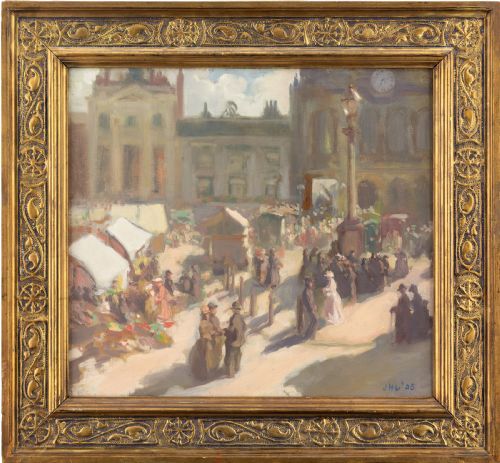
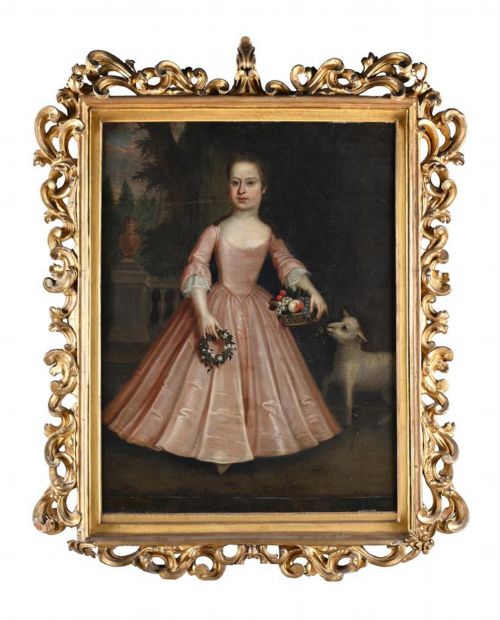
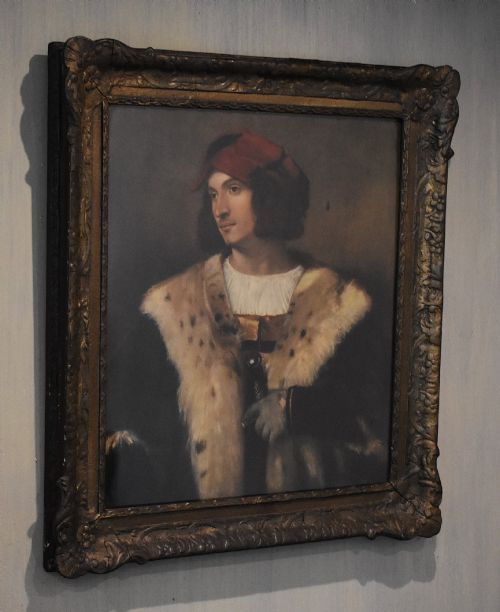
These old picture frames enclose centuries of oil paintings, engravings and prints, offering a distinct edge of period character for walls that need depth.
Old Picture Frames
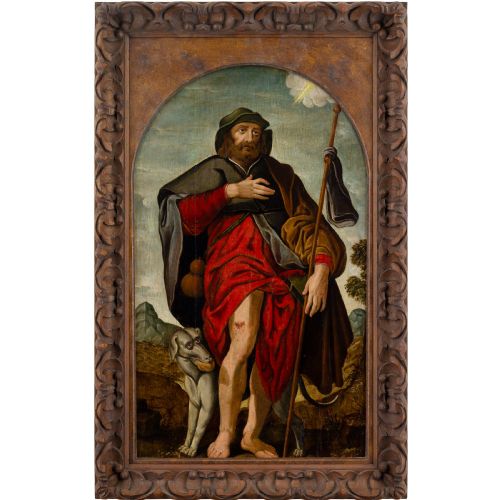
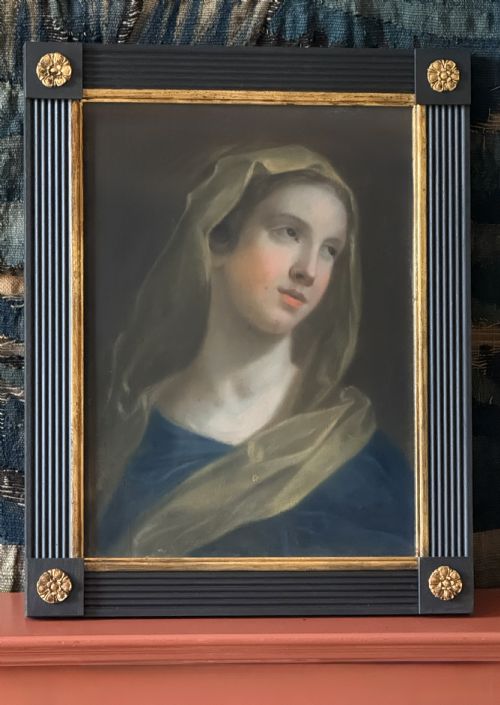
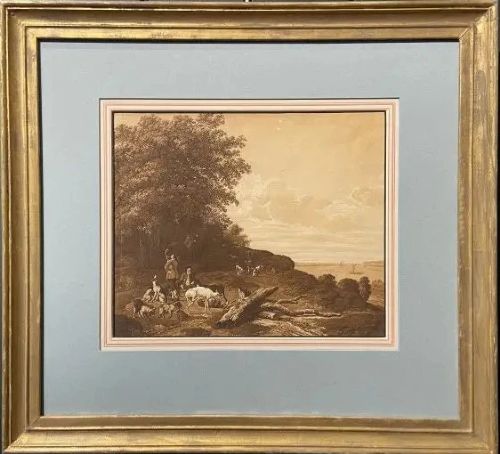
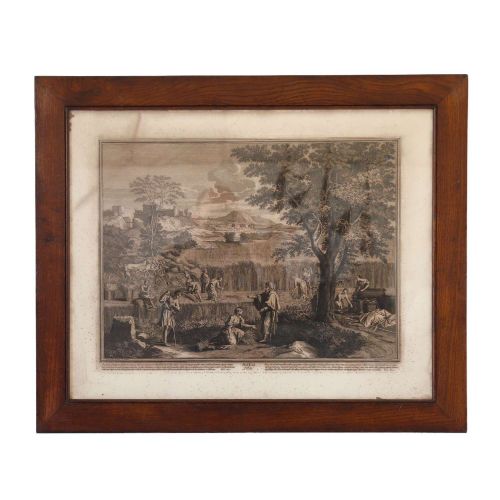
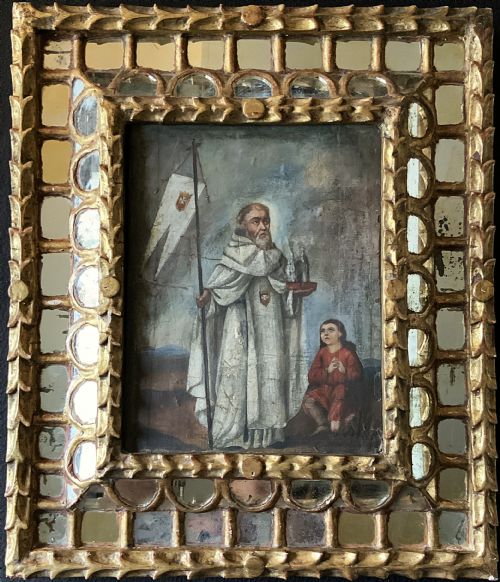
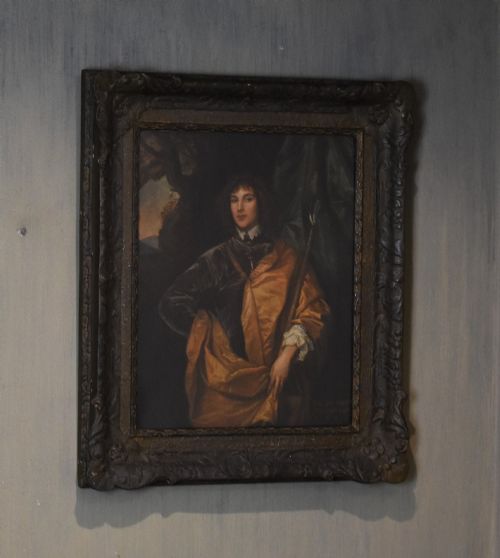
Old picture frames house various works including oil paintings, watercolours, charcoal drawings and engravings spanning from the sixteenth century through the mid twentieth century. Buyers encounter carved Florentine surrounds, ornate oval gilt frames with dome fronted glass, and classical wood mouldings enclosing portraits, landscapes and religious scenes.
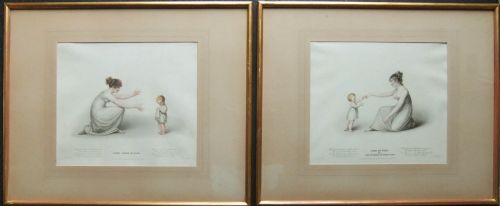
These pieces serve as focal points for traditional interiors, bringing tactile surfaces and historical depth directly to domestic spaces. The forms range from small pairs of framed prints to substantial oil paintings on canvas.
How they were made
Makers utilised traditional construction methods, combining solid wood foundations with applied gesso and gold leaf to achieve rich decorative surfaces. Carved details and moulded elements define the woodwork on Florentine and giltwood examples.
Artworks within these frames employ mediums such as oil on canvas, charcoal, watercolour, and paper engravings. Glazing protects delicate prints, occasionally utilising dome fronted glass to add optical depth.
Old Picture Frames Retail Price Guide 2026
Typical asking prices for old picture frames among the pieces listed under this phrase on Sellingantiques today, from the lower quarter to the upper quarter. They describe what is for sale here now, not the wider market.
Several frames boast dome fronted glass designed to bubble outward, giving solemn Victorian ladies a rather optimistic three-dimensional presence in the hallway.
What varies in quality
The integrity of the surface finish dictates much of the standing, particularly the retention of original gold leaf and the crispness of carved wooden details. Pieces that retain their genuine period finish without heavy modern intervention hold greater visual authority.
The harmony between the artwork and its surround influences the overall standard, as period-appropriate pairings demonstrate intentional design. Skilled craftsmanship in the moulding and joinery separates standard framing from exceptional examples.
Johannes Lingelbach·John Hodgson Lobley·David Teniers The Younger·Claude Jousset·William Langley
The Old Picture Frames Glossary
- Giltwood
- Wood that has been coated with gold leaf or gold paint. This material forms the golden, reflective surfaces seen on ornate antique frames.
- Engraving
- A printmaking process where an artist cuts an image into a metal plate using a sharp tool. These works often appear behind glass in period mounts.
- Mezzotint
- A printmaking method of the intaglio family where tones are worked from dark to light on a roughened copper plate. Robert Sayer produced notable examples of this technique.
- Oil on Canvas
- Pigment suspended in drying oil applied to a stretched woven fabric support. This combination underpins many of the historical paintings found within these borders.
- Baroque Classicism
- An artistic style balancing exuberant baroque ornamentation with classical restraint. It surfaces in seventeenth-century portraiture and framing aesthetics.
Old Picture Frames: Frequently Asked Questions
How do I date an old picture frame?
Dating relies on examining the wood species, construction joints, and the application method of the gesso or gold leaf. Stylistic cues from periods like the Renaissance Revival or Regency also point toward specific decades.
Changes in backing boards, fixings, and glass types provide further physical evidence for determining the age of the piece.
Can I replace the art inside an antique frame?
Replacing the artwork is possible, but doing so often alters the historical integrity of a matched piece where the frame and painting share a long provenance. Many collectors prefer to keep the original pairing intact.
If the frame houses a delicate paper engraving or print, opening the back requires care to avoid damaging aged paper and original glazing.
How should I hang heavy giltwood frames?
Heavy giltwood frames require secure fixings anchored directly into wall studs or masonry using appropriate picture hooks rated for substantial weight. Wire alone is often insufficient for large oil paintings.
Checking the stability of the frame corners before hanging ensures the mitres can support the downward tension of the weight.
What is the difference between an oil painting and a print frame?
Frames built for oil paintings on canvas are generally deeper and sturdier to accommodate the wooden stretcher bars behind the canvas. They often feature robust wooden mouldings.
Frames designed for prints and engravings are shallower, frequently incorporating glass and paper mats to protect delicate works on paper from direct contact with the wood.