
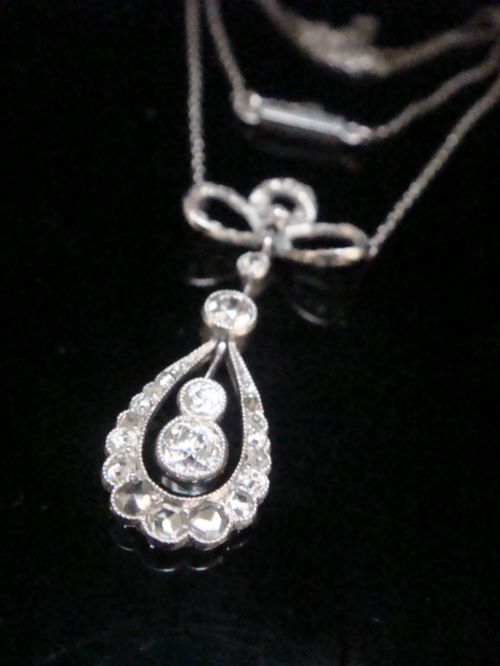


Old Gold Pendant
An old gold pendant brings together historic craftsmanship and wearable sparkle, offering distinct periods from Victorian to mid-century.
Old Gold Pendant
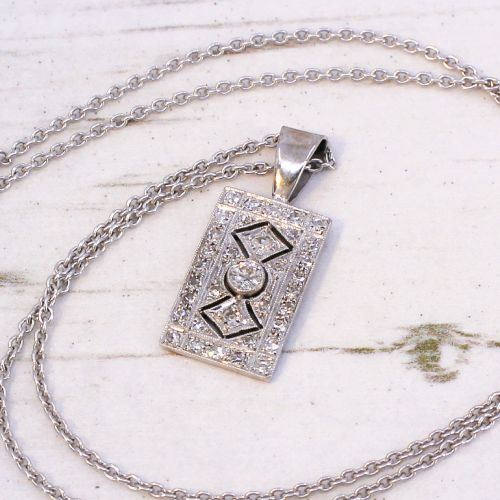
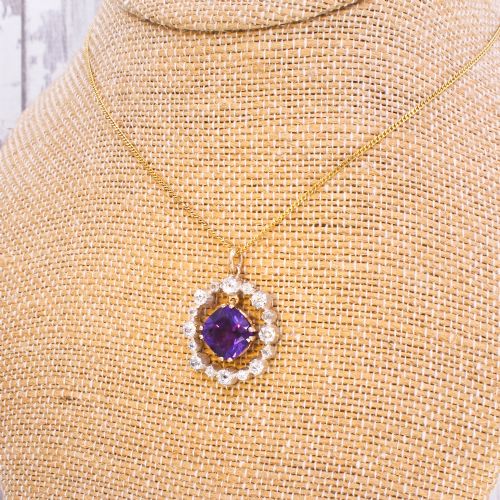
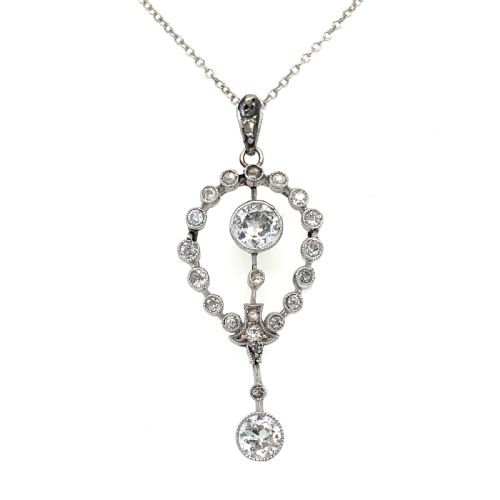
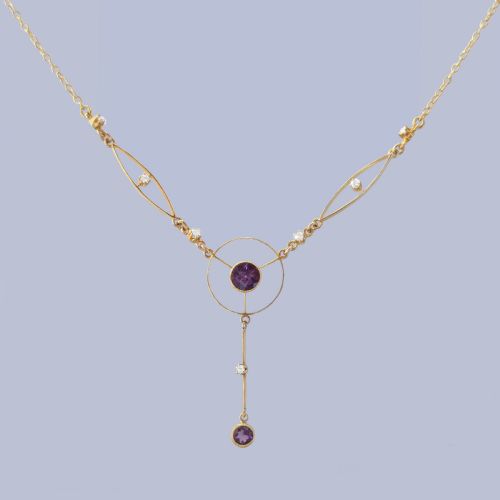
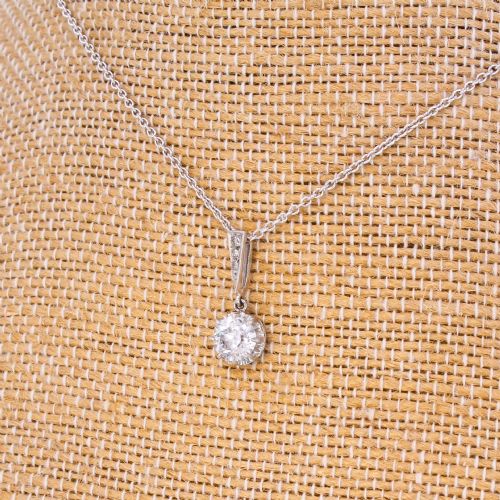
An old gold pendant encompasses historic neck ornaments, lockets, and convertible brooch-pendants from eras spanning the nineteenth and twentieth centuries. When searching for an old gold pendant, buyers encounter pieces fashioned during the Victorian, Edwardian, Art Deco, and mid-century periods. These items incorporate yellow gold, white gold, and platinum alongside diamonds, amethysts, pearls, and paste.
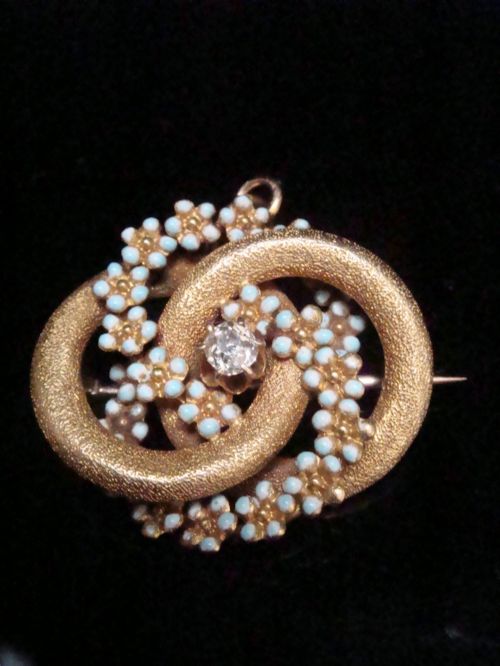
The selections on this page lean heavily towards Edwardian and Victorian designs, often combining high-carat gold with silver settings for stones. Forms range from simple heart lockets and drop clusters to elaborate starbursts and lavalier necklaces. Many items double as brooches, reflecting the versatile jewellery designs of their respective periods.
How they were made
Goldsmiths utilised varied carats of yellow and white gold, frequently pairing gold bases with silver to mount old-cut diamonds. This silver-on-gold technique enhanced the brilliance of the stones by creating a bright reflective surface beneath each facet. Platinum also appears in later twentieth-century pieces, offering strength for delicate openwork.
Gemstones in these items are predominantly old-cut diamonds, including old European cuts alongside seed pearls, natural pearls, conch pearls, and amethysts. Artisans shaped metal through casting, hand-engraving, and pierced openwork to form bows, forget-me-knots, and floral motifs. Elements like articulated drops and hinged lockets demonstrate advanced mechanical skill in miniature engineering.
Some lockets hide tiny glass-covered compartments originally intended for locks of a loved one's hair.
What varies in quality
The distinction between standard items and exceptional examples lies in the harmony of design and the fineness of the hand-work. Superior pieces display crisp casting, delicate piercing, and well-matched gemstones that sit securely in their original settings. The integration of convertible mechanisms, such as removable brooch fittings on a pendant, requires precision that elevates the standing of an object.
Material selection also dictates the grade of a piece, from high-carat yellow gold and platinum down to lower gold standards or silver-topped settings. The character of the central stones - whether a substantial amethyst or clean old-cut diamonds - shapes the overall presence. Originality of components and minimal alteration preserve the integrity prized by collectors.
The Old Gold Pendant Glossary
- Old-cut diamond
- A diamond cut by hand before modern machinery standardised proportions, typically featuring a small table, high crown, and open culet. This cut creates a distinctive soft, candlelit sparkle.
- Lavalier
- A necklace featuring a pendant that drops below the main chain, often suspended from a smaller loop or bow. Popularised in the Edwardian era, these pieces incorporate flowing swags and dangling stones.
- Paste
- Hand-cut and polished lead glass used historically to imitate gemstones. In antique jewellery, paste is valued for its own considerable craftsmanship rather than as a mere simulation.
- Forget-me-knot
- A decorative motif shaped like the flower of the same name, symbolising fidelity and remembrance. Goldsmiths rendered this motif in gold and diamonds across Victorian brooches and pendants.
Old Gold Pendant: Frequently Asked Questions
How do I date an old gold pendant?
Dating relies on material combinations, gemstone cuts, and stylistic motifs specific to eras like the Victorian or Edwardian periods. Hallmark stamps and construction techniques also provide clues to the decade of origin.
For instance, silver-topped gold often points to nineteenth-century work, while platinum and geometric lines suggest the Art Deco era.
Can these pendants be worn daily?
Most antique pendants withstand regular wear provided they receive gentle care and are removed before strenuous activity. Checking settings periodically ensures stones remain secure in their original mounts.
Delicate elements like seed pearls or thin chains require more cautious handling than heavy gold lockets.
What is a brooch pendant?
A brooch pendant is a dual-purpose piece equipped with both a folding loop for a chain and a pin fastening on the reverse. This allowed Victorian and Edwardian wearers to pin the item to clothing or suspend it from a neck chain.
These convertible pieces demonstrate the versatility demanded by historical wardrobes.
How should I clean my antique pendant?
Cleaning requires a soft cloth and warm soapy water, avoiding harsh chemical dips that can damage pearls, amethysts, or foiled backs. Gentle wiping preserves the delicate patinas accumulated over a century or more.
Professional ultrasonic cleaning should be avoided for items containing soft organic gems or closed-back settings.