

Old Gold Jewellery
Old gold jewellery encompasses rings, earrings, and pendants crafted in Victorian, Edwardian, and Art Deco periods, offering buyers distinctive stones and historical charm.
Old Gold Jewellery
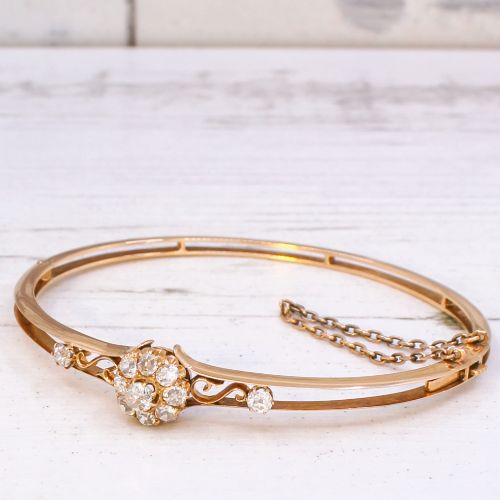
Old gold jewellery consists of wearable ornaments produced across the Victorian, Edwardian, and mid-century eras, featuring rings, drop earrings, pendants, brooches, and bangles.
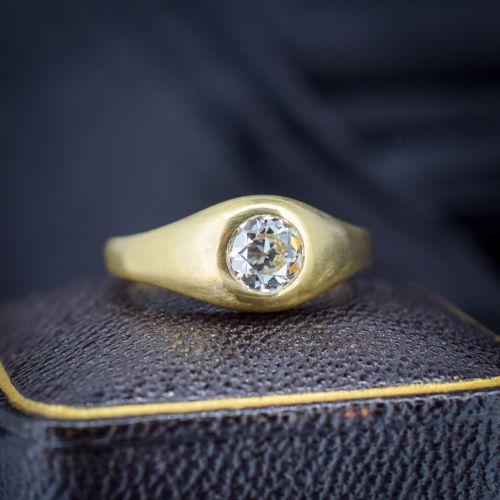
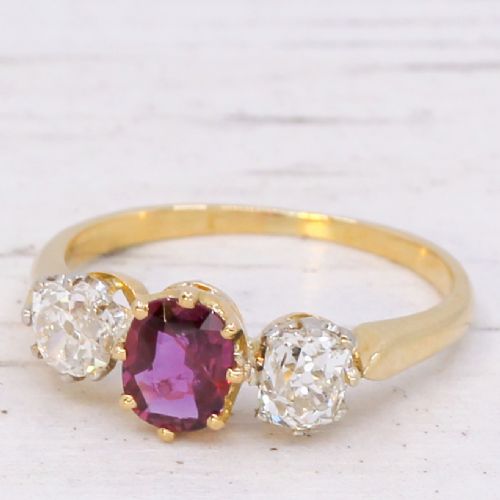
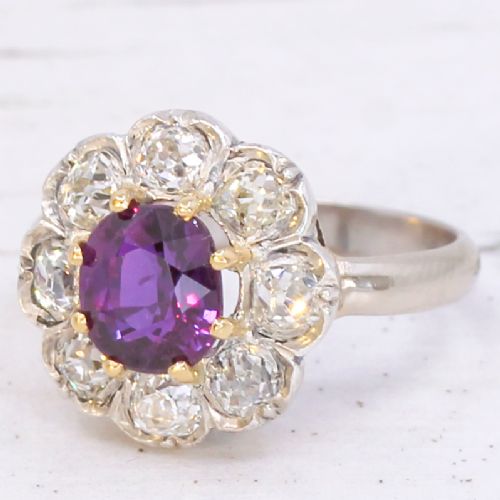
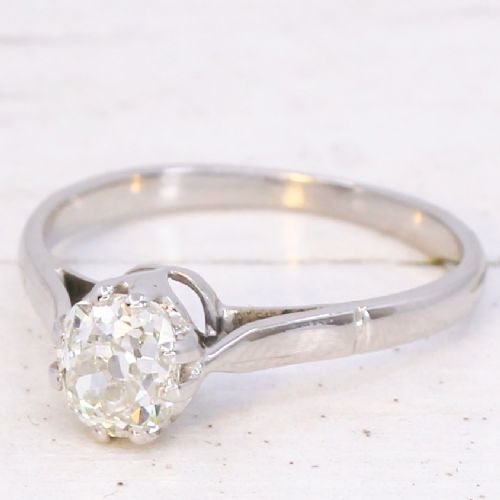
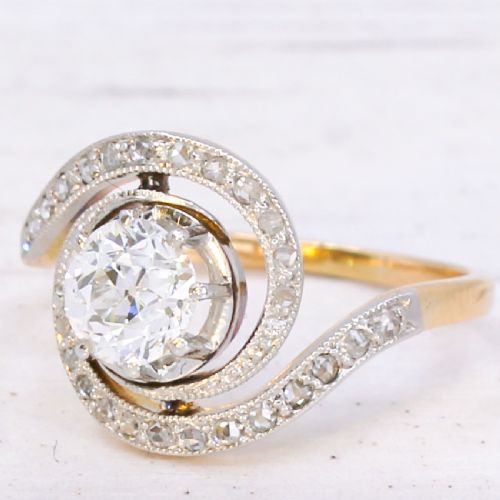
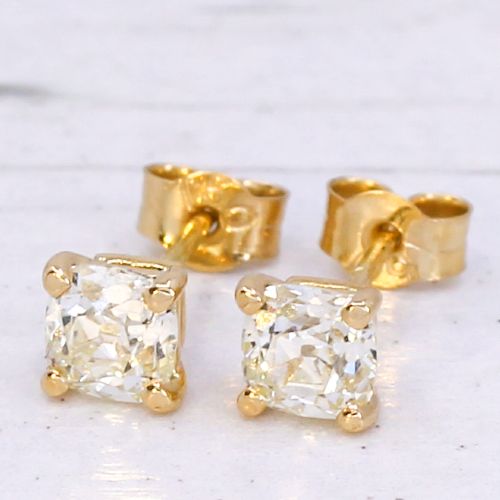
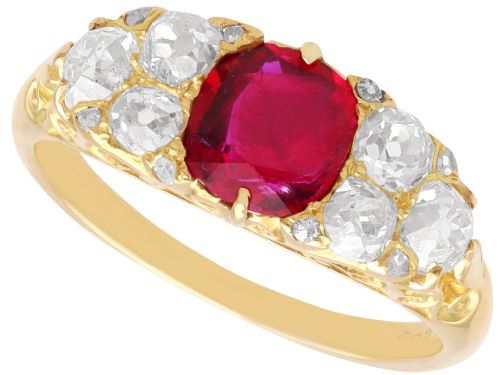
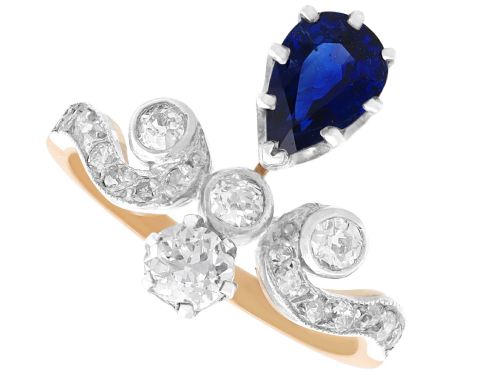
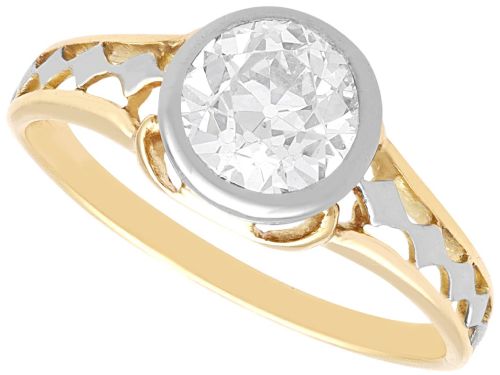
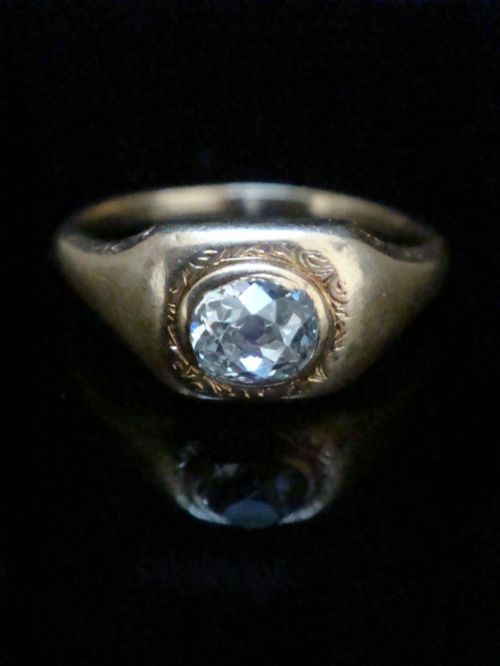
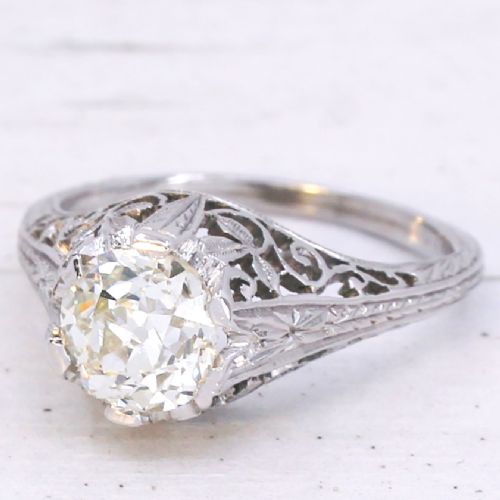
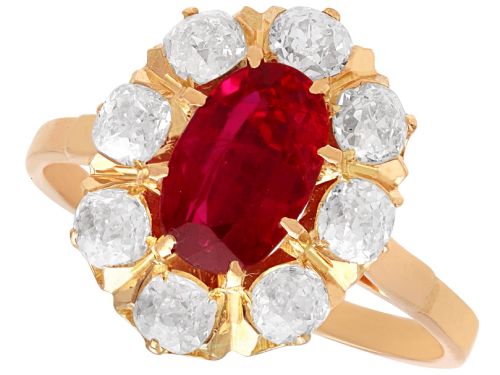
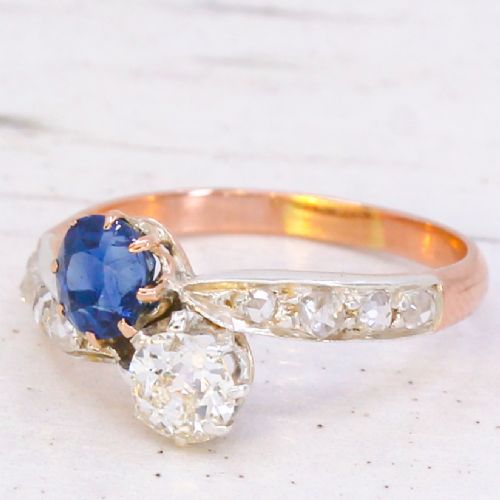
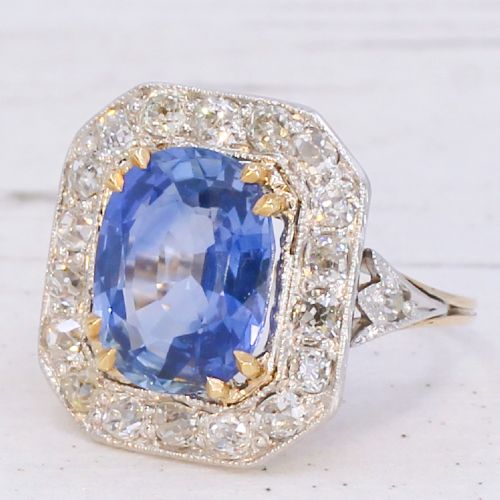
The pieces on this page are predominantly rings set with old cut diamonds, sapphires, rubies, and emeralds, alongside drop earrings and cluster pendants.
Originating from periods such as the late nineteenth century, the Edwardian epoch, and the 1920s and 1930s, these items display the prevalent styles of their respective decades.
How they were made
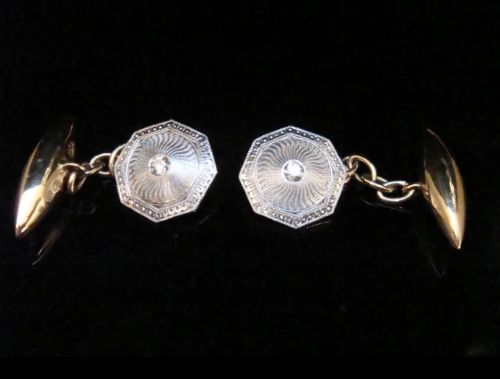
Craftsmen utilised various carats of yellow, white, and rose gold, frequently combining gold with platinum to secure gemstones in Edwardian and Art Deco settings.
Gemstones such as old mine cut and old European cut diamonds were hand-set alongside rubies, sapphires, and amethysts using claw, rubover, and cluster techniques.
Old Gold Jewellery Retail Price Guide 2026
Typical asking prices for old gold jewellery among the pieces listed under this phrase on Sellingantiques today, from the lower quarter to the upper quarter. They describe what is for sale here now, not the wider market.
Listings include items fashioned from yellow gold, white gold, and platinum across Edwardian, Victorian, and Art Deco styles.
What varies in quality
Quality differences emerge in the selection and matching of central gemstones, such as unheated sapphires or Burmese rubies, paired with well-proportioned old cut diamonds.
The precision of metalwork, including detailed platinum milling on gold bands and balanced cluster configurations, separates standard production from finer examples.
The Old Gold Jewellery Glossary
- Old cut diamond
- A diamond cut by hand before modern machinery, typically featuring a small table and a high crown.
- Cluster ring
- A ring design featuring a central gemstone encircled by a border of smaller stones.
- Gypsy ring
- A style where stones are flush-set directly into the thick band of the ring.
- Toi et moi
- A two-stone ring design representing two souls intertwined, popular in antique jewellery.
- Navette
- A boat-shaped ring setting that tapers to sharp points at either end.
Old Gold Jewellery: Frequently Asked Questions
What periods do these pieces span?
The inventory spans from the late Victorian era through the Edwardian period and into the 1920s, 1930s, and 1940s.
Each period introduces distinct metal choices and gemstone arrangements characteristic of its design movement.
How do I identify an old cut diamond?
Old cut diamonds typically display smaller tables, open culets visible through the back, and hand-faceted proportions.
These stones catch candlelight differently than modern brilliant cuts due to their unique hand-polished facets.
What metals are common in this jewellery?
Gold in various carats such as eighteen carat yellow, white, and rose gold forms the primary structure for many items.
Platinum also appears frequently in Edwardian and Art Deco pieces to hold delicate diamond settings securely.
How were cluster rings worn historically?
Cluster rings served as engagement rings or dress rings, showcasing prominent central sapphires, rubies, or diamonds.
Their design maximised visual presence on the hand through balanced arrangements of smaller surrounding stones.