

Old Canvas Painting
When you search for old canvas painting, you enter a world of centuries-old portraiture and classical oil works on woven supports.
Old Canvas Painting
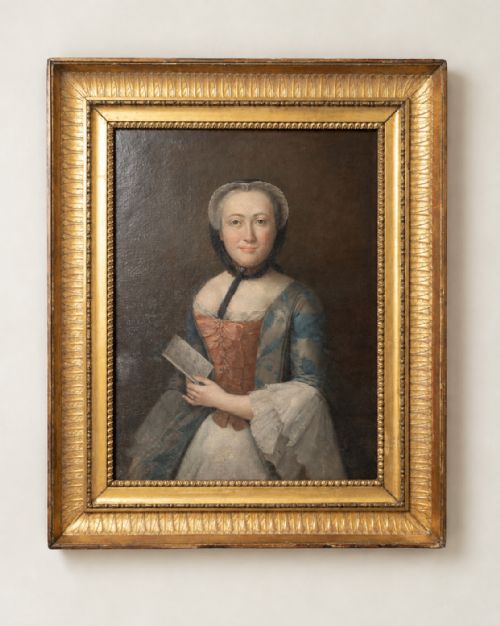
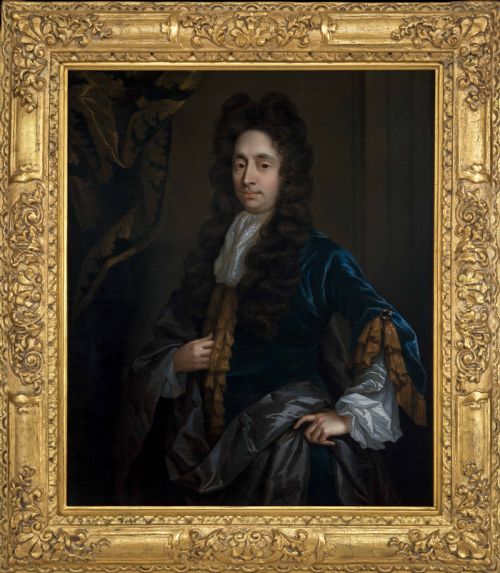
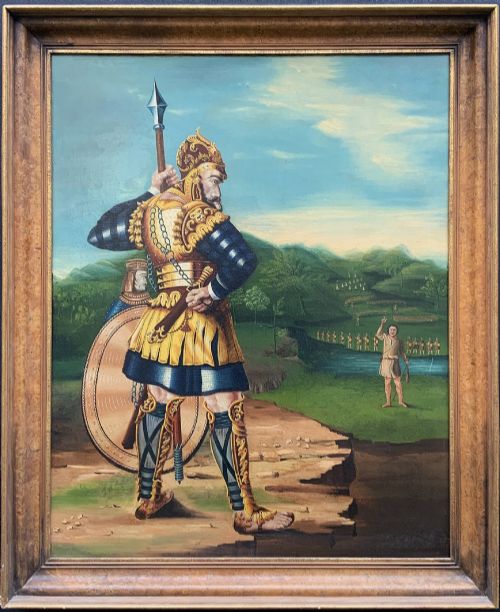
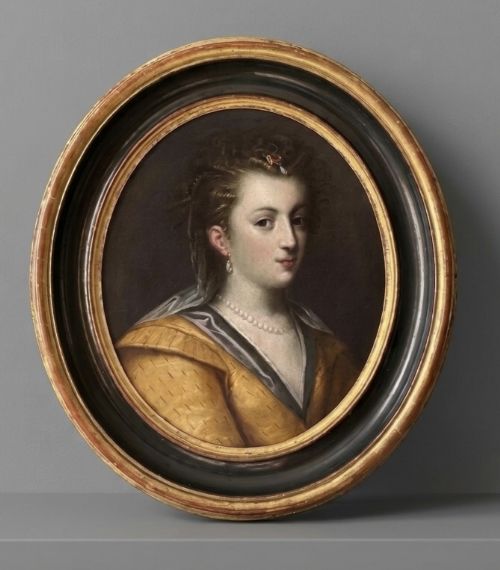
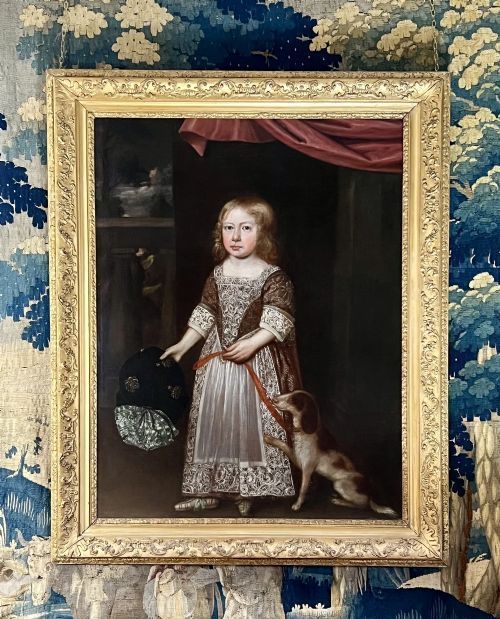
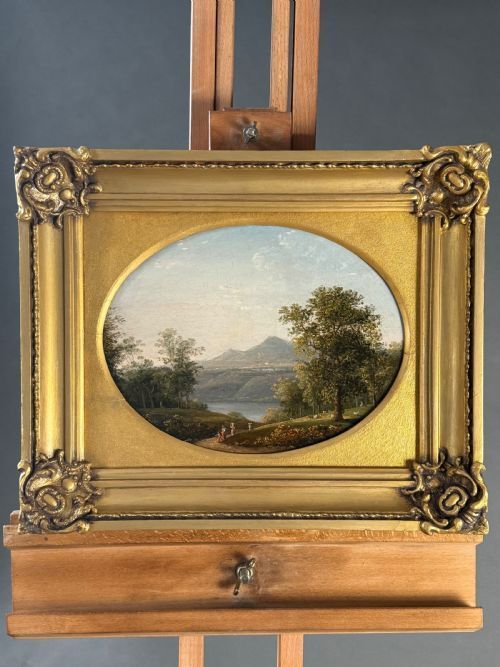
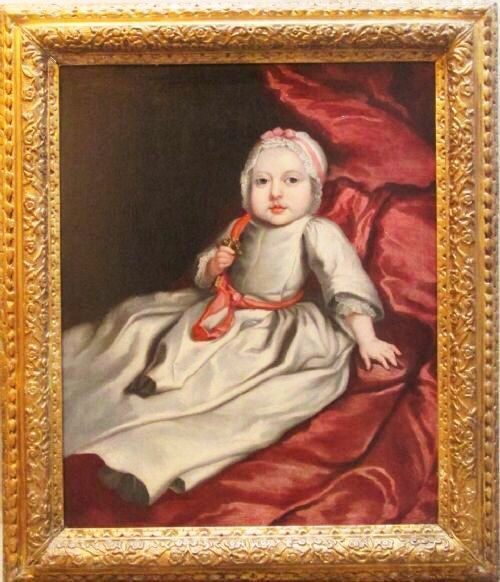
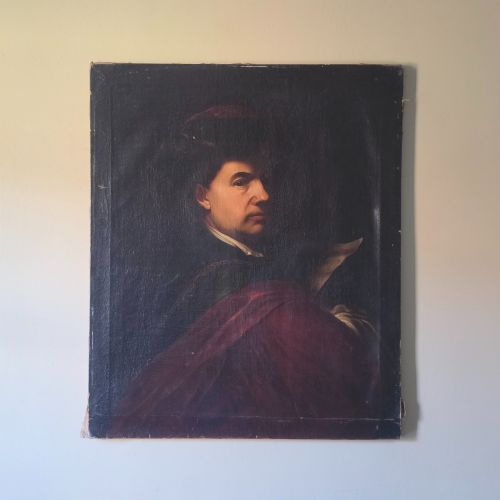
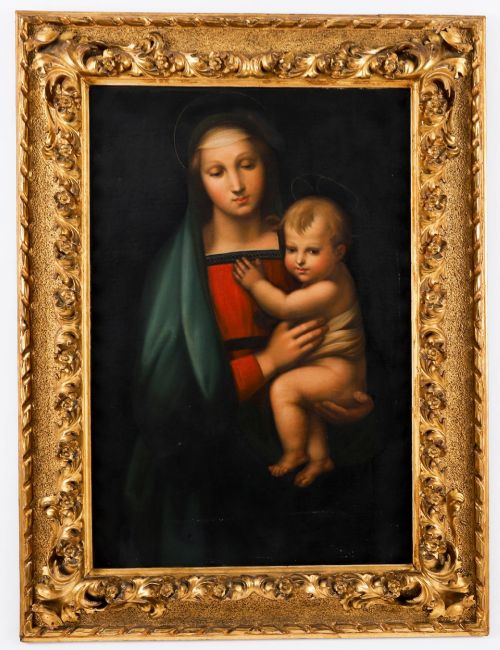
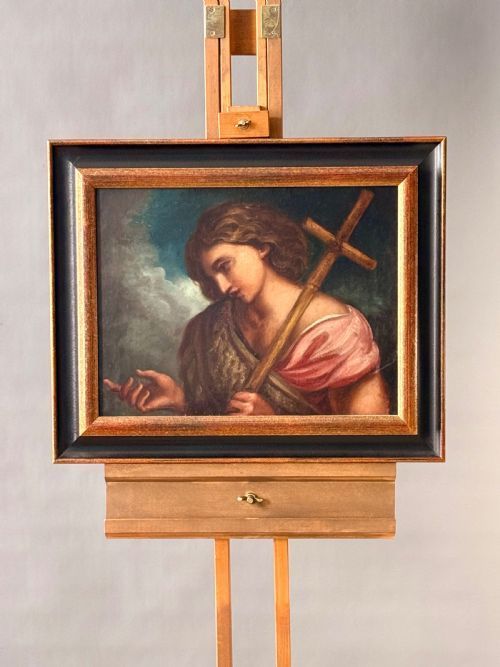
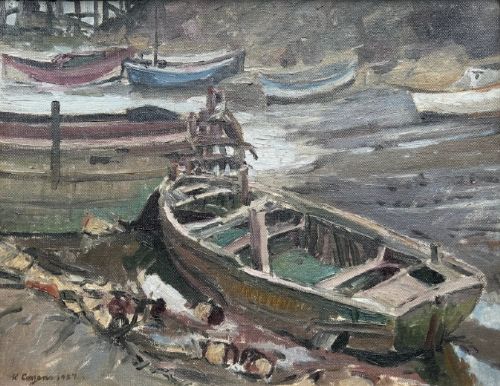
An old canvas painting brings together historical portraiture, religious subjects, and classical landscapes spanning from the sixteenth century through the eighteenth century and into later periods. These works capture subjects ranging from noblemen in elaborate dress to mythological scenes and intimate family portraits created by regional European schools.
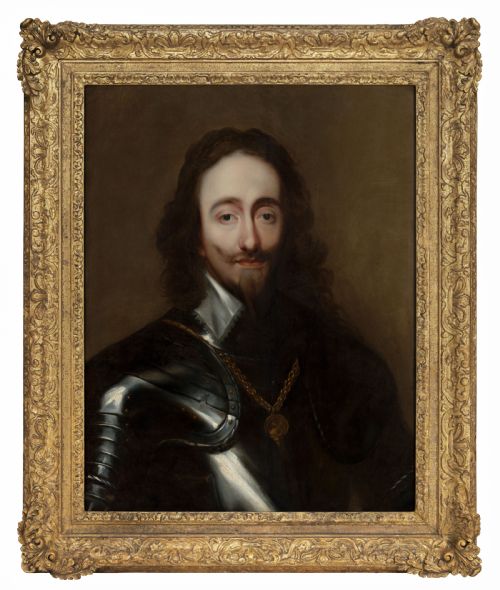
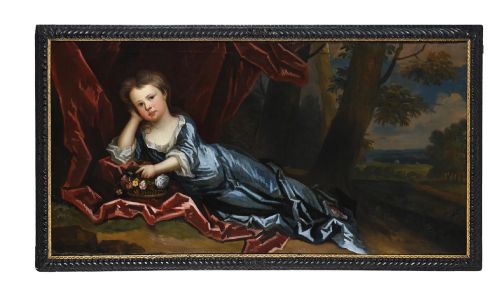
Buyers meet works attributed to circles of notable portraitists or executed by anonymous hands belonging to English, Italian, Flemish, and Dutch traditions. Many pieces present subjects framed within historical moments, utilising traditional portrait formats that record the likenesses of judges, nobility, and children.
Materials and technique
The foundational technique relies on oil paint applied to woven canvas supports, sometimes paired with gold leaf details and wood framing elements. Artists built depth through layered pigments, occasionally revealing pentimenti where earlier compositional choices show beneath the final surface.
Frames utilise carved wood and giltwood construction, providing structural borders that complement the oil medium. These materials work together to preserve the integrity of the painted surface across centuries.
Old Canvas Painting Retail Price Guide 2026
Typical asking prices for old canvas painting among the pieces listed under this phrase on Sellingantiques today, from the lower quarter to the upper quarter. They describe what is for sale here now, not the wider market.
Listings span periods from the sixteenth century to nineteen sixty, utilising oil on canvas, wood, giltwood, and gold leaf.
Distinctions in quality
Quality rests in the fidelity of the brushwork, the anatomical accuracy of portrait subjects, and the preservation of the original pigment layers. Masterful handling of light and shadow, particularly in drapery and facial expressions, separates accomplished workshop pieces from simpler naive executions.
The integrity of the canvas support and the retention of period framing elements contribute significantly to the standing of an individual piece within its historical school.
Studio M Canals·Lavinia Fontana·Jacob Philipp Hackert·Cornelis Van Der Voort·Bernardino Luini·Mary Beale·Kenneth Cozens·Sir Peter Lely·Joshua Reynolds·Angelo Maria Crivelli·Pietro Fachetti·Toussaint Gelton·David Teniers·John Hodgson Lobley·Pieter Borseler·Adriana Verelst·Sir Anthony Van Dyck·Frans Hals·James Maubert·Nicolaes Maes·Benvenuto Tisi
The Old Canvas Painting Glossary
- Pentimento
- An alteration in a painting evidenced by traces of previous work, showing where the artist changed an element during the creative process.
- Giltwood
- Wood that has been decorated with gold leaf or gold paint, frequently used for the ornate frames enclosing historical portraits.
- Old Master
- An artist of high skill working in Western Europe before about eighteen hundred, or a painting by such an artist.
- Circle of
- A designation used when a work shows the distinct style and training of a known master without being directly signed by them.
Old Canvas Painting: Frequently Asked Questions
What periods do these paintings come from?
The pieces span multiple centuries, with significant representation from the sixteenth, seventeenth, and eighteenth centuries alongside later nineteenth and twentieth-century works.
Creators range from Renaissance and Baroque schools through to Edwardian and mid-twentieth-century British landscape artists.
How were these portraits originally displayed?
Portraits of nobility, judges, and family members hung within domestic interiors and grand houses, often enclosed in carved wood and giltwood frames.
These settings emphasised the social standing and lineage of the sitters recorded by the artists.
What subjects appear most frequently?
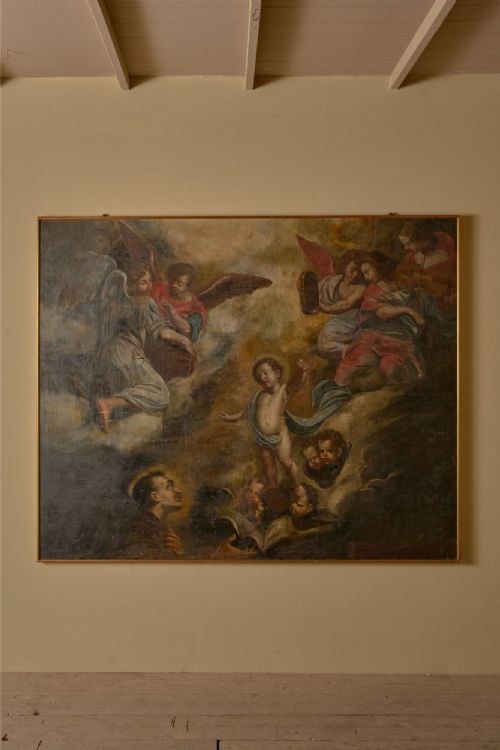
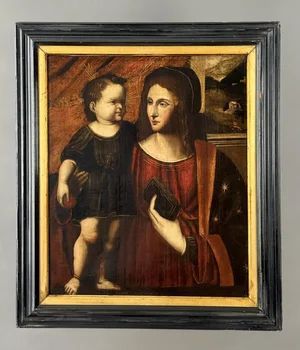
Human subjects dominate, including noblewomen, gentlemen in doublets, children, composers, and religious figures such as the Virgin and Child.
Mythological narratives and classical landscapes also form a distinct category among the available works.
How do you identify an anonymous school piece?
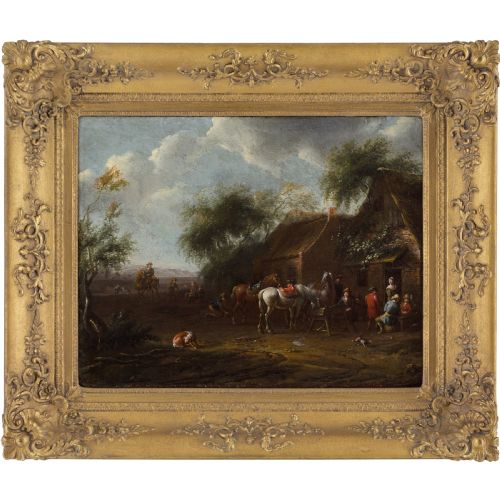
Attributions often reference regional traditions, such as the Italian, Flemish, Dutch, or English schools, based on stylistic markers and handling of the medium.
References to followers or circles of specific masters help contextualize works created within established artistic workshops.