

Oil Painting Study
An oil painting study captures a fleeting composition or preparatory thought before the final canvas.
Oil Painting Study
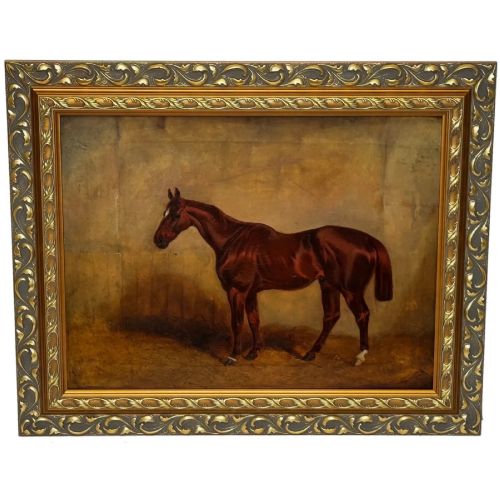
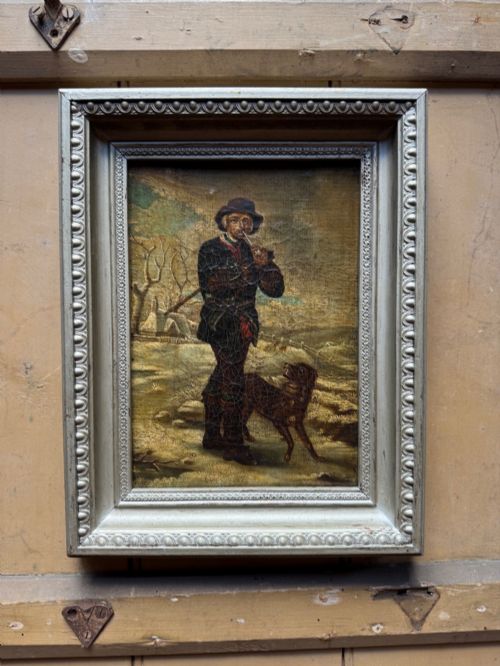
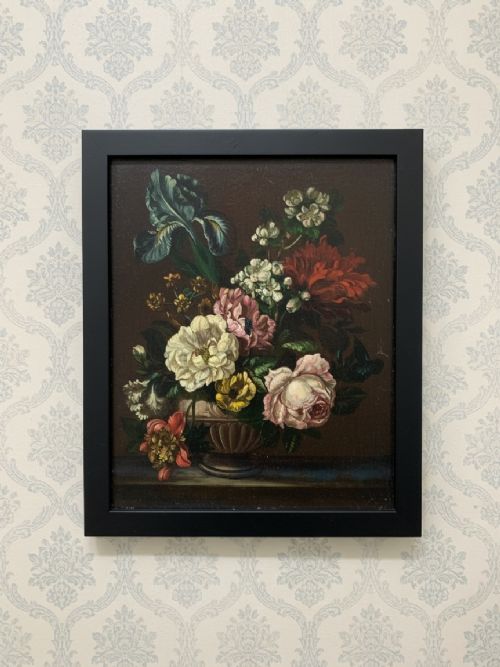
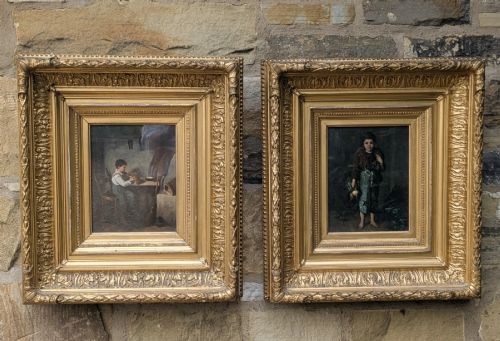
An oil painting study serves as a direct encounter with an artist's working method, showing how compositions are developed on canvas, board, or wood panel.
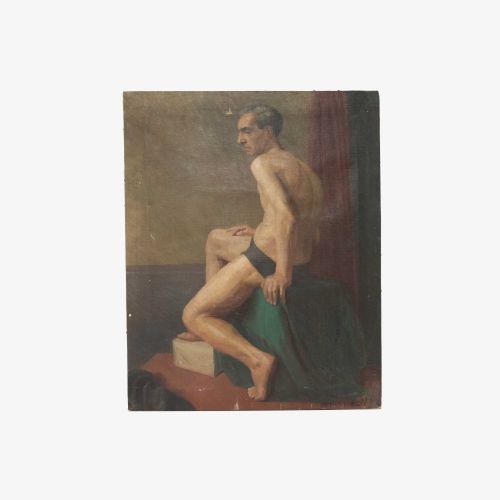
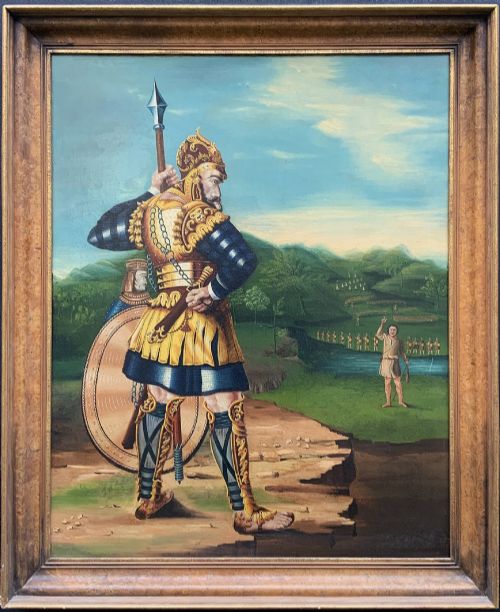
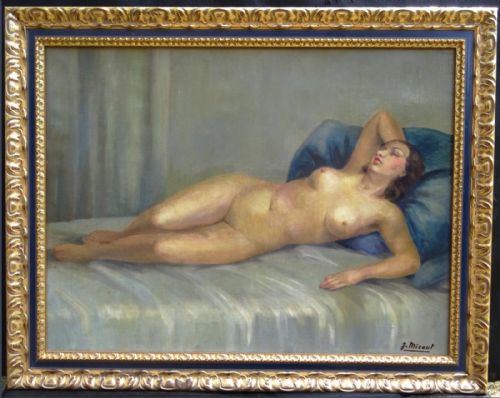
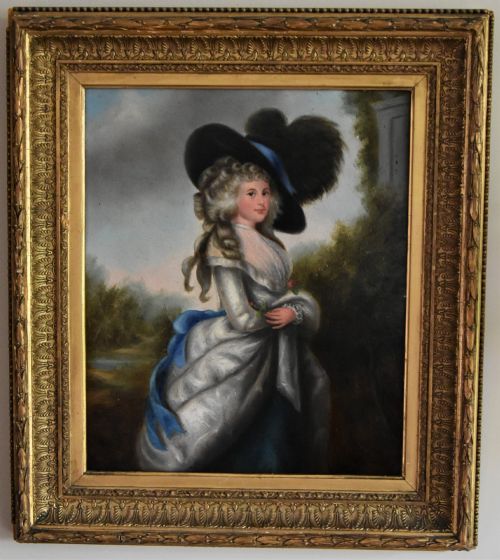
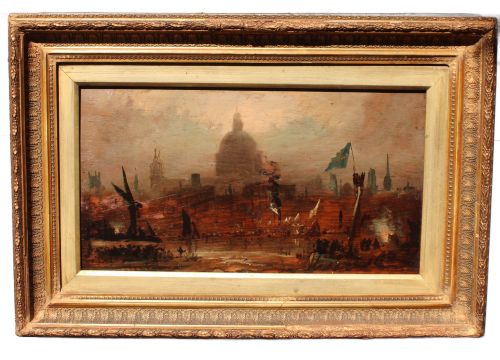
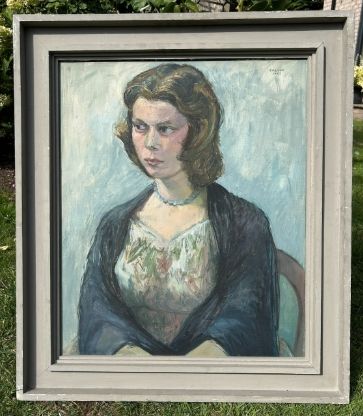
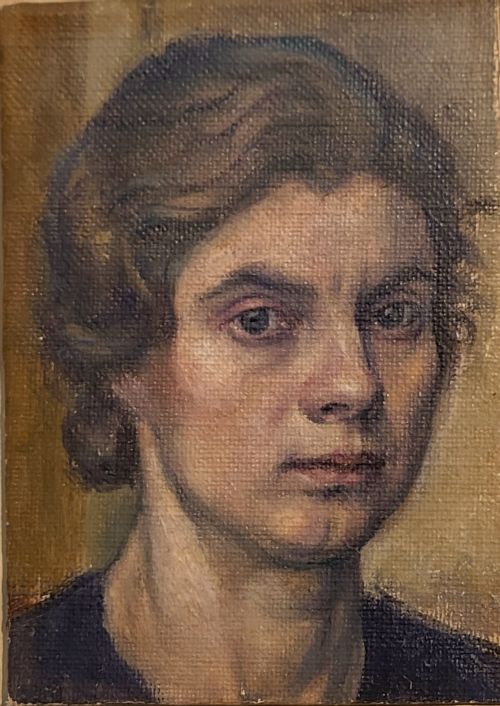
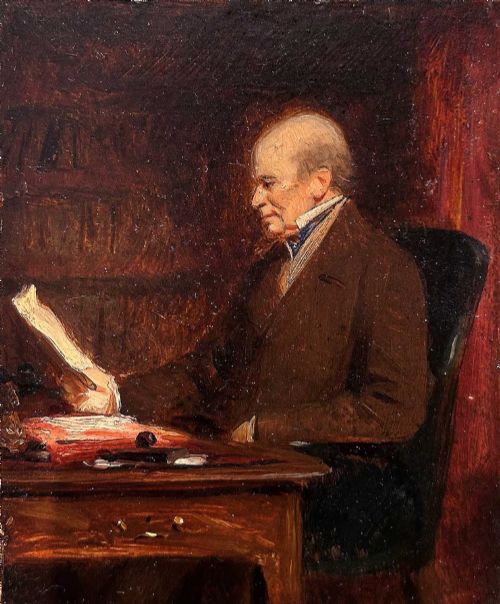
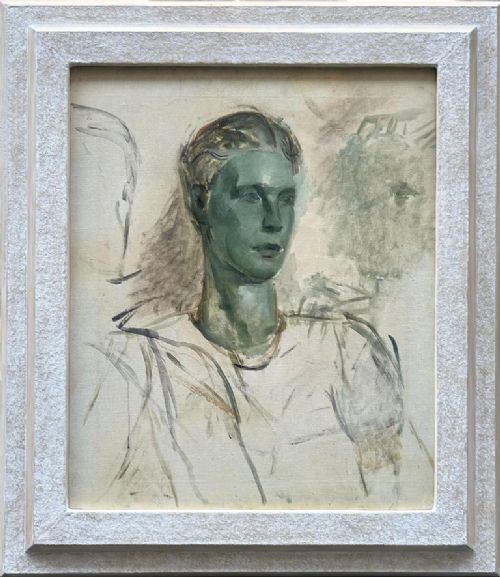
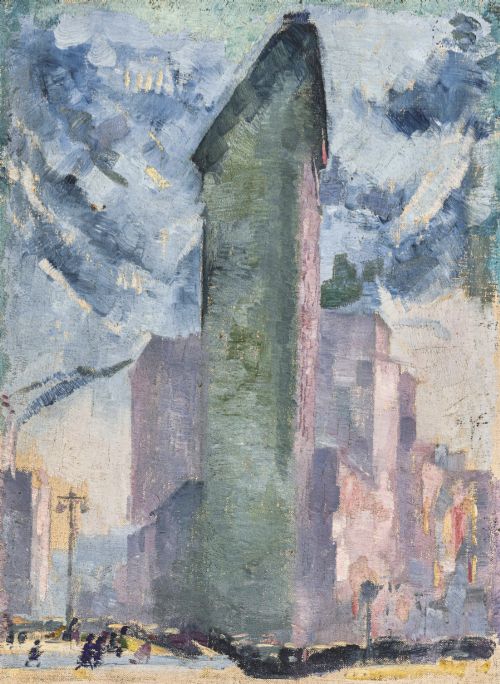
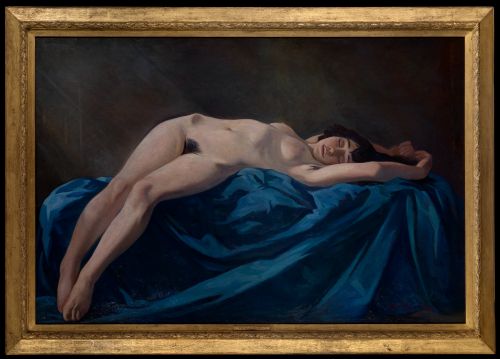
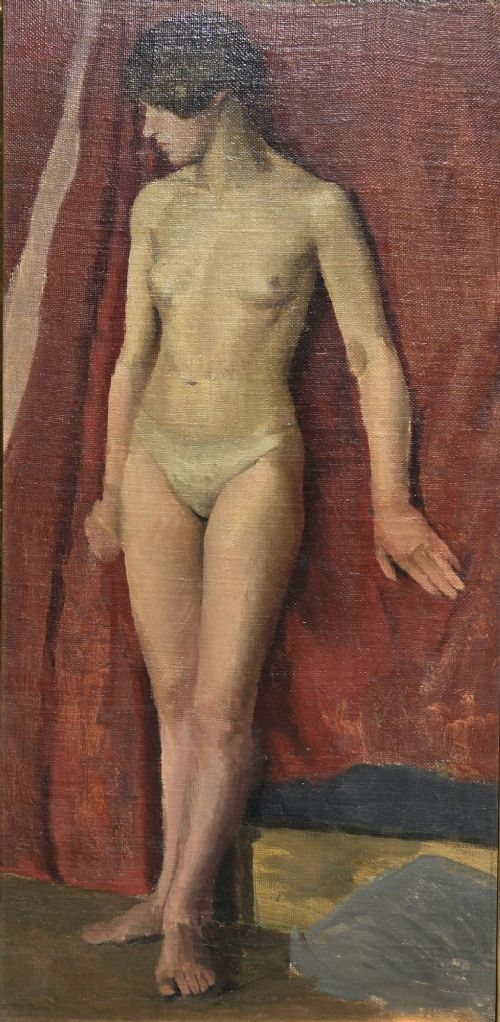
Buyers seeking an oil painting study will find examples ranging from nineteenth-century animal and landscape studies to early twentieth-century portraits and figures.
The selection includes works attributed to specific schools, studio sketches, and framed pieces from the Victorian era onward.
Materials and technique
These works rely on oil paint applied to supports such as canvas, wooden panel, or board, often held within period giltwood frames.
Techniques range from rapid en grisaille sketches to layered portraits and still lifes executed by British, French, and Belgian hands.
Oil Painting Study Retail Price Guide 2026
Typical asking prices for oil painting study among the pieces listed under this phrase on Sellingantiques today, from the lower quarter to the upper quarter. They describe what is for sale here now, not the wider market.
At least one artist clearly had a feline or canine supervisor, judging by the occasional stray studio hair permanently varnished into the pigment.
Gradations in quality
Quality rests upon the sureness of the brushwork and the clarity of the initial conception, distinguishing a hurried sketch from a purposeful study.
The relationship between the support and the pigment determines the enduring presence of the piece, alongside the integrity of the original frame.
Charles Bilger Spalding·Kenneth Cozens·Eric Robertson·Oilver Messel·Alfred Wolmark·Stephen Pearce·Winifred Rymer·Sir Peter Markham Scott·Manuela Bonati·Ernest Payne·William Watt Milne·William Thomas Wood·Honore Cavaroc·Alexandre Louis Martin·Sir David Murray·William Etty·Allan Douglas Davidson·Septimus Scott
The Oil Painting Study Glossary
- Oil on panel
- A painting executed on a flat wooden support rather than stretched fabric. This method was favoured for smaller preparatory works and portable studies.
- En grisaille
- A painting executed entirely in shades of grey or neutral monochrome. Artists utilised this technique to plan tonal values or imitate low relief sculpture.
- Manner of
- A term applied when a work reflects the distinct style and handling of a master without being an autograph production. It indicates a contemporary or later follower working within that tradition.
- Board
- A rigid flat material used as a painting support. It offers a firm surface that requires minimal preparation compared to traditional stretched canvas.
Oil Painting Study: Frequently Asked Questions
What is an oil painting study?
An oil painting study is a preliminary work or sketch created by an artist to test colours, light, or composition before embarking on a larger finished painting. These pieces often display a directness and spontaneity that finished gallery works lack.
They record the immediate observations and technical experiments of the painter, providing insight into the creative process across periods from the nineteenth century into the mid-twentieth century.
How were these studies used?
Artists used studies to capture transient effects of weather, test portrait poses, or work out the tonal balance for complex narrative scenes and tapestries. They served as working tools in the studio or outdoors.
Because they were intended as preparatory exercises, they frequently remain unsigned or take the form of rapid oil sketches on panel or board.
How do I display an oil painting study?
These works suit domestic interiors particularly well when paired with appropriate traditional framing, such as giltwood surrounds. Their modest scale allows them to fit easily into gallery walls alongside larger artworks.
Protection from direct sunlight and stable indoor humidity will ensure the oil paint and wooden or canvas supports remain stable over time.
How do I identify the period?
Dating relies on the substrate materials, the style of the brushwork, and any accompanying inscriptions or framing details. Victorian and Edwardian examples often feature distinct portrait poses and palette choices.
Comparing the handling to documented works by regional schools or named practitioners helps narrow the timeframe of creation.