



Oil Painting Hunter Horse
An oil painting hunter horse captures the muscular form and character of these prized equine athletes through traditional British sporting art.
Oil Painting Hunter Horse
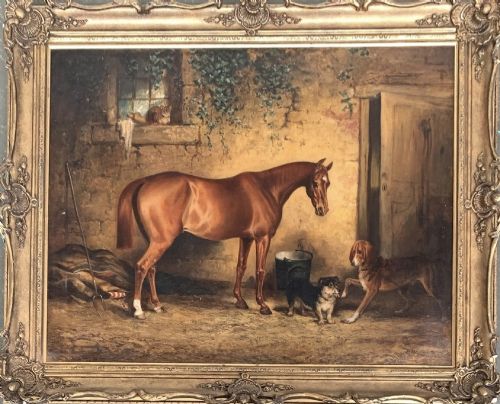
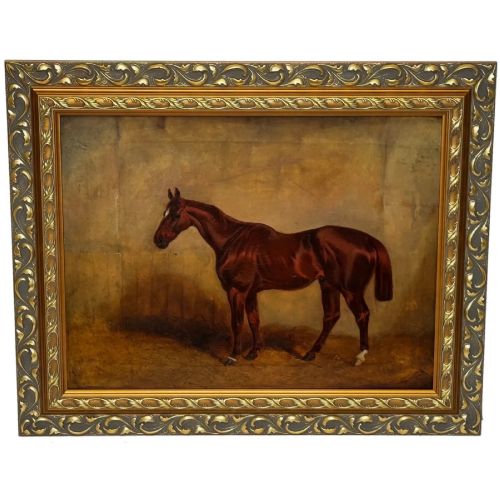
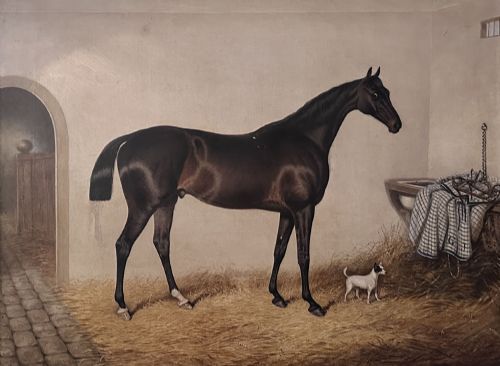
When you search for an oil painting hunter horse, you encounter traditional British sporting art depicting magnificent equines from the Victorian era up to the twentieth century. These works capture specific animals, such as chestnut and bay hunters in stables or with grooms, painted by period artists who understood equestrian anatomy.
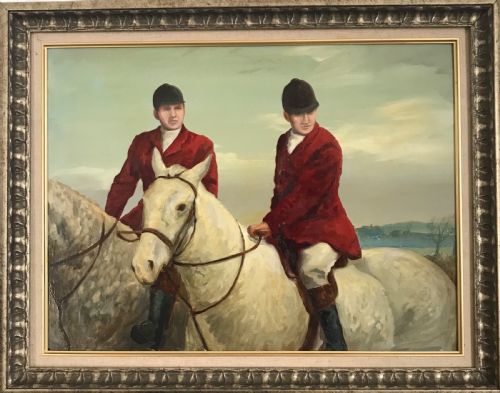
The pieces on this page span several decades, including Victorian and Edwardian examples, alongside mid-twentieth-century interpretations. You will find both intimate individual portraits of horses like the mare of Chiddingfold and broader scenes featuring hounds and huntsmen.
How they were made
These works are executed in oil paint on canvas, utilising the rich pigmentation and blending capabilities of the medium to render the sheen of a horse coat and the texture of stable straw. Painters built up layers of oil to achieve depth in the musculature and background details of the stables.
Many of these canvases are housed within their period frames of wood, frequently accented with gilt or gilt wood finishes. The combination of oil on canvas within a substantial wooden frame defines the construction of traditional sporting art.
Oil Painting Hunter Horse Retail Price Guide 2026
Typical asking prices for oil painting hunter horse among the pieces listed under this phrase on Sellingantiques today, from the lower quarter to the upper quarter. They describe what is for sale here now, not the wider market.
Several stable portraits include an observant terrier keeping watch near the hunter hooves.
What varies in quality
The distinction between standard and superior pieces rests upon the artist ability to render accurate equine anatomy and the expressive character of the subject. Master painters capture the tension in a hunter flank and the intelligent eye of the animal with precise brushwork.
Quality also resides in the preservation of the canvas and the harmony of the original frame. Works that maintain their vibrant oil pigments without excessive craquelure or later restoration sit at the higher end of the range.
Charles Bilger Spalding·Henry Barraud·Benjamin Cam Norton·Edwin Frederic Holt·Alfred Moginie Bryant·Alfred Grenfell Haigh·Abraham Cooper RA·John Sanderson-Wells·James Barenger
The Oil Painting Hunter Horse Glossary
- Hunter
- A horse bred and trained for fox hunting, possessing the stamina and conformation to jump fences and gallop across country. These animals form the central subject of traditional sporting art.
- Bay
- A coat colour of horses characterised by a reddish-brown body with a black mane, tail, and lower legs. It is one of the most frequently depicted horse colours in nineteenth-century portraits.
- Chestnut
- A coat colour ranging from a golden yellow to a deep reddish-brown, with no black points on the mane or tail. This coloration appears often in Victorian stable portraits.
- Gilt wood
- Wood that has been treated with a thin layer of gold leaf or gold paint, commonly utilised for decorative period picture frames. It adds a warm metallic border to the canvas.
- Equestrian art
- Artistic works that depict horses, riders, and related sporting scenes. This genre encompasses both formal portraiture of individual animals and dynamic field action.
Oil Painting Hunter Horse: Frequently Asked Questions
What is an oil painting hunter horse?
An oil painting hunter horse is a traditional artwork depicting a specific equine bred for hunting, often shown in a stable or rural setting.
These pieces capture the distinct conformation and coat characteristics of hunters, created by artists working in oil on canvas during the nineteenth and early twentieth centuries.
How do I identify the period of a horse painting?
You can determine the age by examining the painting style, costume of any figures, and the construction of the wooden frame.
Victorian and Edwardian works often feature specific canvas preparations and signature styles that correspond to known sporting artists of those decades.
Where were these paintings originally displayed?
These portraits traditionally hung in country houses, estate offices, and hunting lodges owned by prominent equestrian enthusiasts.
Owners commissioned portraits to celebrate prize hunters, successful broodmares, or memorable days with local hunts.
How should I care for an oil on canvas painting?
Keep the artwork away from direct sunlight and maintain stable room humidity to protect the canvas and oil paint from cracking.
Dust the gilt frame gently with a soft, dry brush and avoid using liquid cleaners on the painted surface.