




Oil Painting Decorative Artwork
These oil painting decorative artwork pieces bring historical character to a room, offering everything from serene landscapes to expressive portraits.
Oil Painting Decorative Artwork
An oil painting decorative artwork selection brings together centuries of painted imagery designed to elevate domestic interiors. Buyers searching for an oil painting decorative artwork piece will encounter everything from intimate floral still lifes to large-scale narrative compositions.
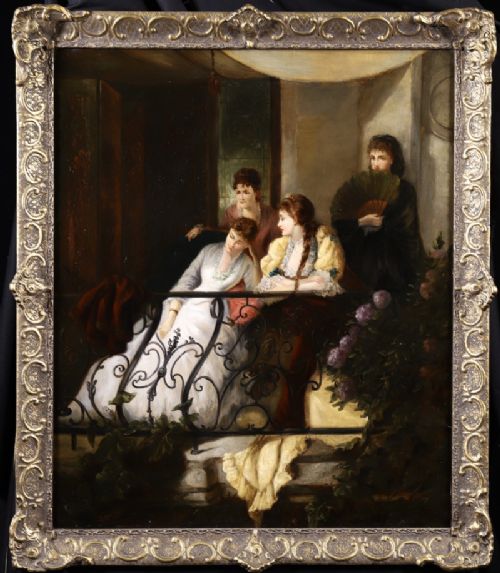
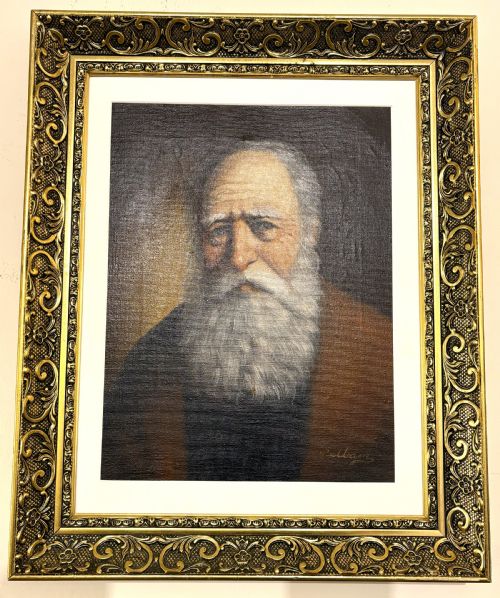
The pieces on this page span several centuries, with a strong representation of nineteenth-century canvases and Victorian works. Alongside these traditional formats, one finds mid-century realism and naive art pieces that suit varied interior schemes.
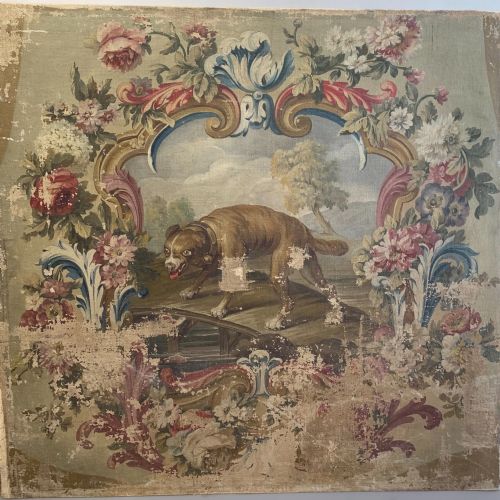
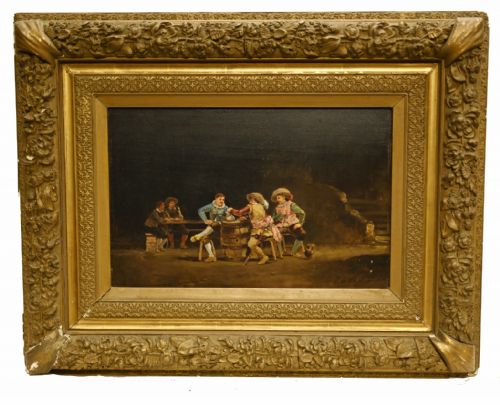
Subjects range widely across the inventory, including coastal scenes, tavern interiors, architectural studies, and animal paintings. Many works arrive framed in wood or giltwood surrounds that complement their era.
Materials and Construction
Most works utilise oil paint applied to canvas, wood panels, or boards, creating rich surfaces with considerable depth. Artists built these images through layered application, sometimes using oil on canvas laid onto board for added stability.
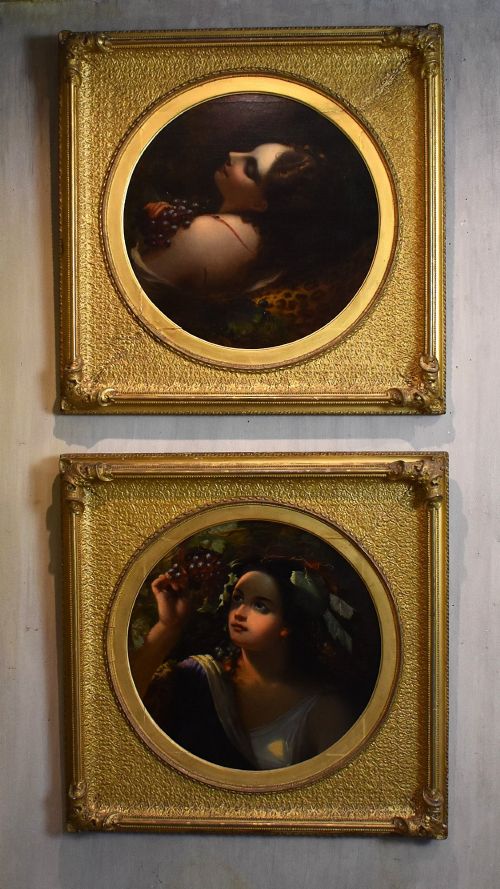
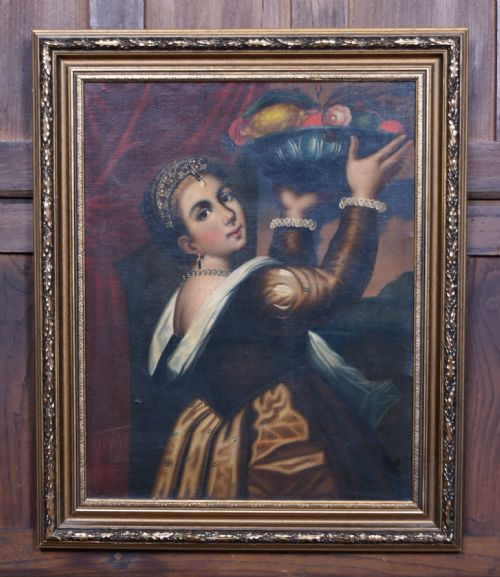
Frames play a significant role in the presentation, utilising wood, gilded wood, and giltwood. These surrounds often reflect the specific decorative tastes of periods such as French Rococo Revival or the Victorian era.
French Rococo Revival and 18th Century Classical styles appear frequently among the decorative artworks.
Distinguishing Quality in Painted Works
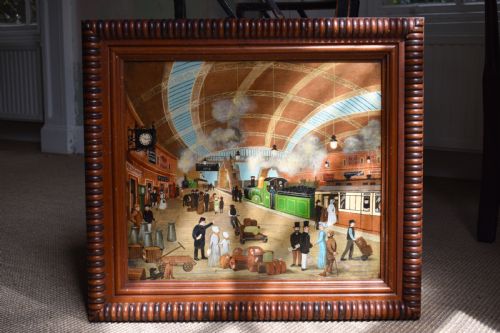
Quality rests upon the confidence of brushwork, the handling of light and shadow, and the preservation of the pigment layer. Superior works demonstrate precise draftsmanship and a harmonious palette, whether depicting a bustling railway station or a quiet woodland.
The integrity of the ground surface also separates exemplary pieces from simpler decorative items. Well-preserved canvases and stable wooden boards maintain their original tension and clarity without excessive intervention.
Theodore Jensen·Stuart Armfield·Constant Ludovic Artz·Frank Myers Boggs·John Gilroy·Ralph Hedley
The Oil Painting Decorative Artwork Glossary
- Giltwood
- Wood carved and coated with gold leaf or a gold-coloured finish. It frequently appears on ornate frames from the nineteenth century.
- Chiaroscuro
- An artistic technique employing strong contrasts between light and dark to give subjects volume and dramatic impact. This method appears frequently in tavern and narrative scenes.
- Trompe L'oeil
- An optical illusion style in painting that creates realistic three-dimensional spaces on a flat surface. Such works often depict playful subjects like cherubs.
- Grisaille
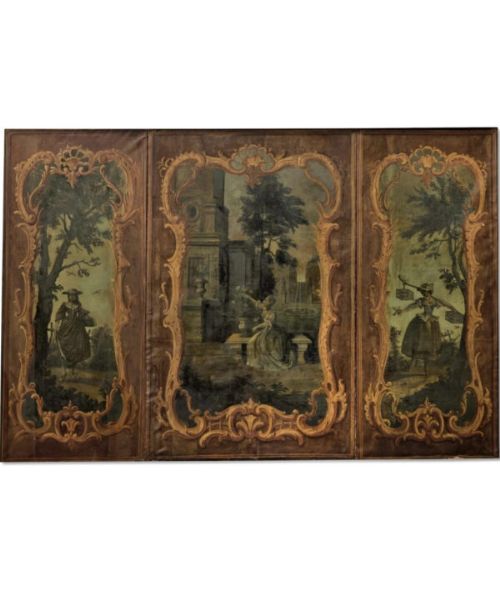
- A painting executed entirely in shades of grey or neutral monochrome. Grand examples of this technique serve as decorative wall hangings.
- Naive Art
- Work produced by artists without formal academic training, characterised by a charming simplicity in perspective and proportion.
Oil Painting Decorative Artwork: Frequently Asked Questions
How do I hang heavy framed oil paintings safely?
Ensure your wall fixings match the weight of the frame and use appropriate picture wire or brackets. Professional mirror and picture hangers provide the best support for substantial canvases.
Position the artwork at eye level to achieve the correct balance within the room. Avoid hanging pieces in direct sunlight to protect the pigments.
What is the difference between canvas and board supports?
Canvas provides a flexible surface stretched over a wooden frame, offering a slight give under the brush. Wood and board supports present a rigid foundation that resists sagging over time.
Both materials have been utilised across different centuries. The choice usually depends on the artist's preference and the scale of the composition.
How can I identify the period of a painting?
Examine the stretcher bars, canvas weave, and framing materials for clues regarding age. Older canvases often display oxidised priming layers and hand-carved wooden stretchers.
Artist signatures, inscriptions on the reverse, and stylistic conventions also help date the work. Comparing the piece to documented examples from the same school narrows down the era.