

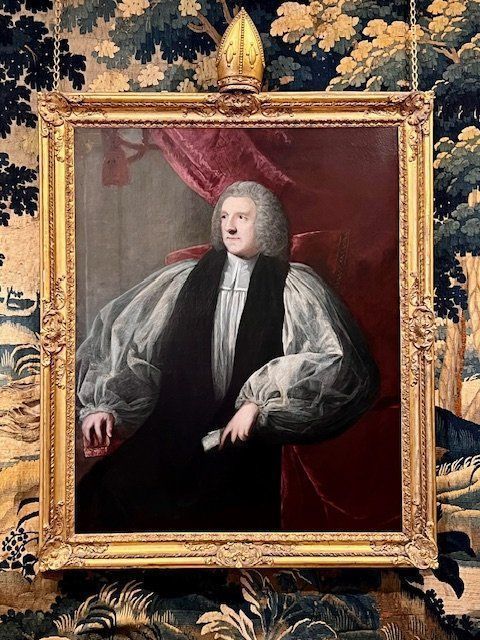
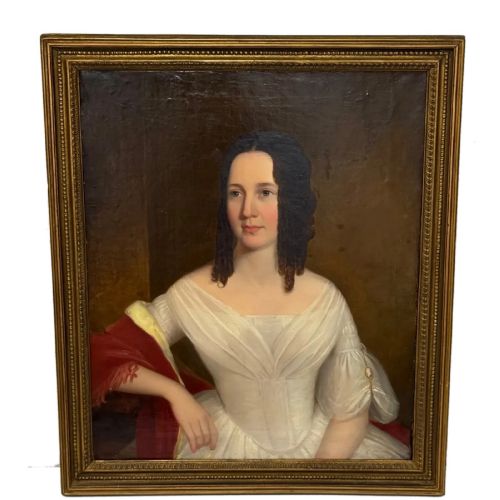
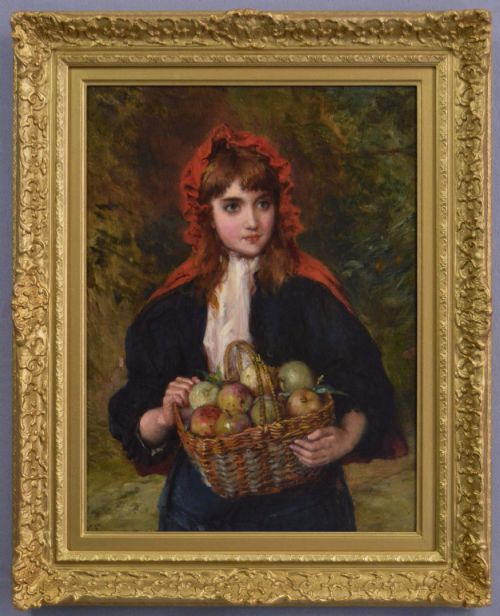
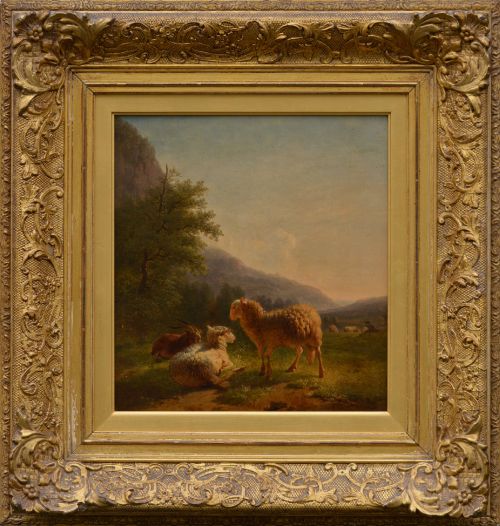
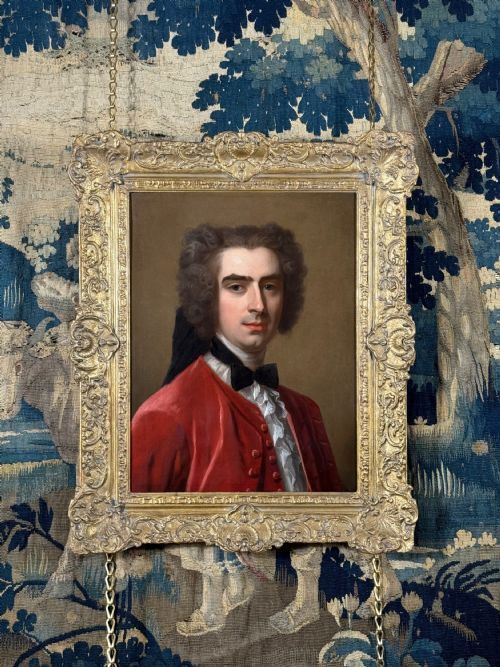
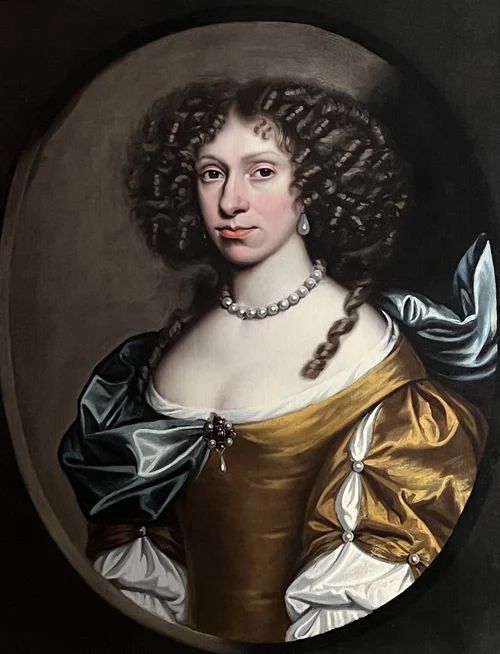
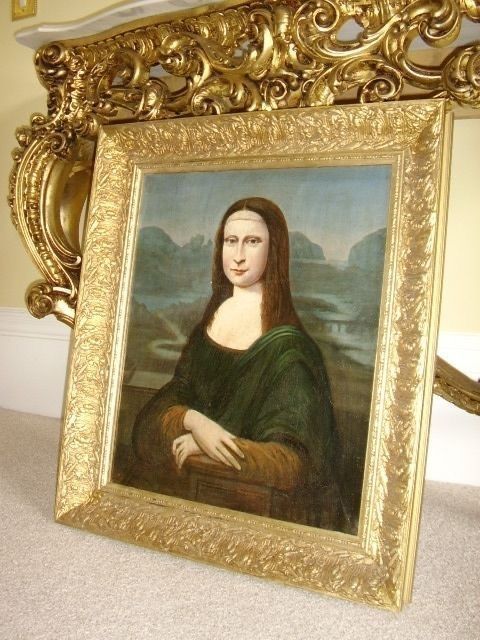
Oil Paint Canvas Portrait
When you look for an oil paint canvas portrait, you enter a long tradition of capturing likenesses and character in pigment.
Oil Paint Canvas Portrait
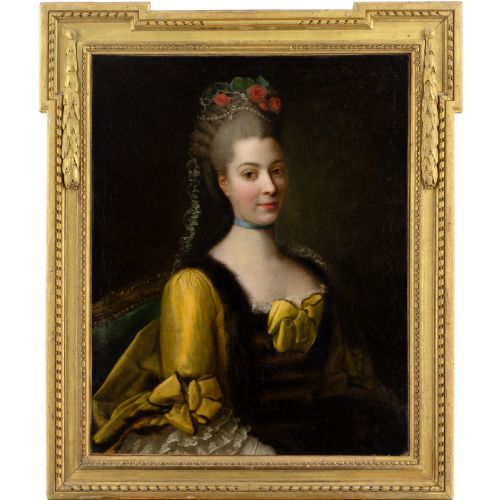
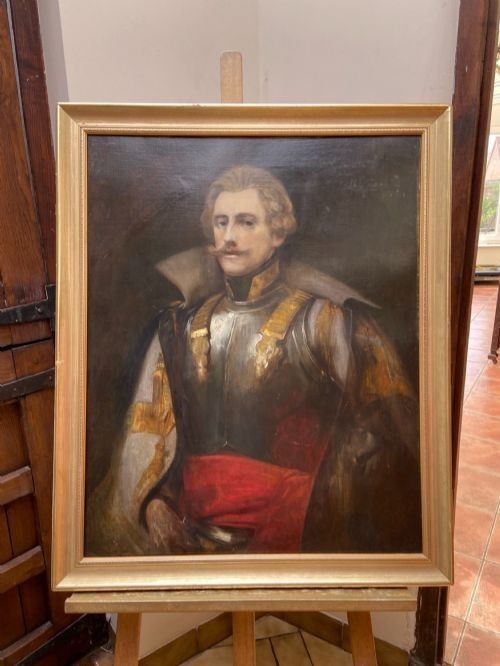
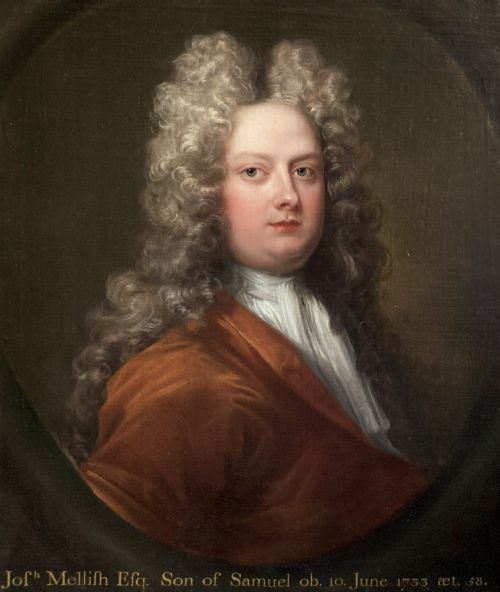
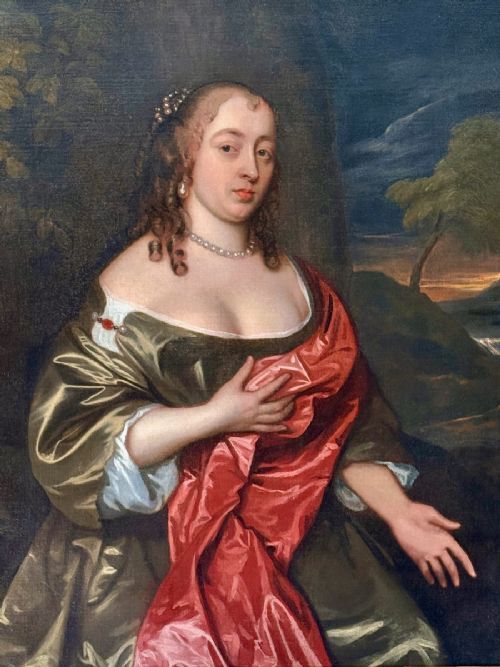
An oil paint canvas portrait presents historical likenesses ranging from seventeenth-century nobility to nineteenth-century family members and animals. You will find works spanning the seventeenth, eighteenth, and nineteenth centuries, alongside later twentieth-century interpretations.
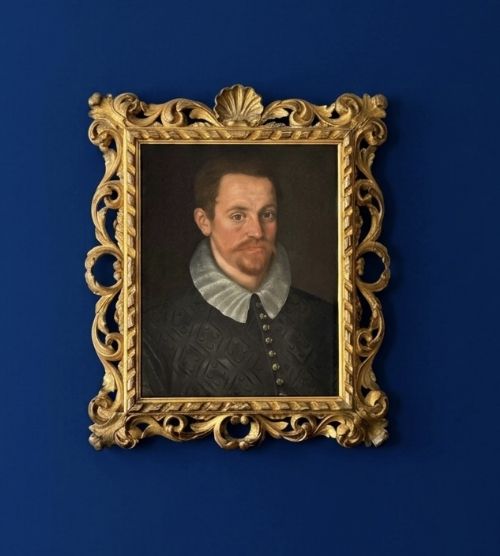
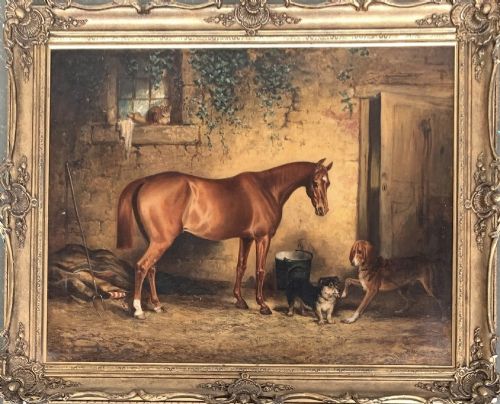
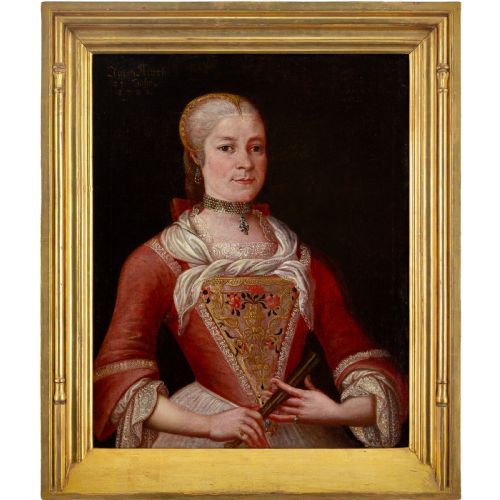
The selections include formal waist-length studies, seated figures in landscape settings, and equine or sporting subjects rendered on stretched fabric. Many pieces capture named historical figures, military officers, and civic leaders from British and European schools.
How they were made
Artists built these works using oil paint applied to woven canvas supports, frequently stretched over wooden frames and occasionally housed in giltwood surrounds. The medium allowed for subtle blending of skin tones, rich drapery textures, and deep background shadows.
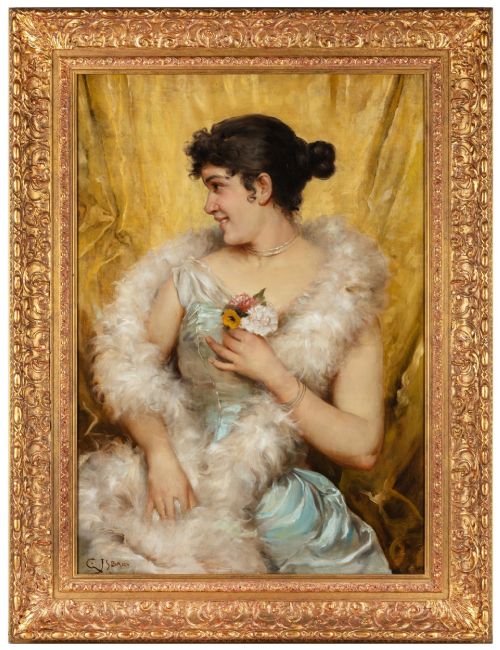
Pigments were layered to create luminosity in fabrics such as silk, velvet, and lace, while gold leaf occasionally accentuates associated frames or decorative elements.
Listings feature works spanning the seventeenth, eighteenth, and nineteenth centuries, executed in oil paint on canvas.
What varies in quality
Quality reveals itself in the handling of facial anatomy, the convincing fall of light across drapery, and the anatomical accuracy of hands and clothing. Master painters achieved depth in flesh tones and textiles that lesser hands rendered flatly.
The provenance and direct attribution to documented studio circles or named artists elevate certain canvases above anonymous provincial output of the same period.
Sir William Beechey·Henry Barraud·Charles Jervas·John Hayls·Sir Joshua Reynolds·William Oliver·Eugène Verboeckhoven·Jean Baptiste Van Loo·David Scougall·Bernard Hailstone·Sir Martin Archer Shee·Valentine T. Garland·John Maler Collier·George Willison·John Opie·Jeremiah Davison·Charles d'Agar·Enoch Seeman·Sir Godfrey Kneller·Jonathan Richardson the Elder·John Vanderbank·Sir Peter Lely·Thomas Murray·Sir Anthony van Dyck·Michael Dahl
The Oil Paint Canvas Portrait Glossary
- Canvas
- The woven fabric substrate, typically linen or hemp, stretched across a wooden frame to receive the oil paint layers. It provides the flexible foundational tooth that holds the pigment structure.
- Giltwood
- Carved wood decorated with a thin layer of gold leaf or metallic powder, commonly found on period picture frames enclosing these portraits. This finish adds reflective warmth around the painted canvas edge.
- Doublet
- A close-fitting man's jacket worn during the sixteenth and seventeenth centuries, frequently shown with embroidered detailing and ruffs in early portraiture. Its rendering helps date seventeenth-century aristocratic attire.
- Ruff
- A projecting pleated collar worn in the sixteenth and seventeenth centuries, constructed from stiffened linen or lace. Painters used fine white brushwork to capture its intricate folds against dark garments.
- Studio of
- A designation indicating a work produced under the direct supervision or within the active workshop of a master painter, utilising their established compositions.
Oil Paint Canvas Portrait: Frequently Asked Questions
How do I date an old portrait?
Dating relies on examining the sitter's costume, hairstyle, and collar design against known fashion timelines of the seventeenth, eighteenth, or nineteenth centuries. Details such as a lace ruff, a powdered periwig, or a military doublet offer immediate chronological markers.
Stretched canvas types, framing styles, and stretcher construction provide additional physical clues. Written inscriptions on the reverse or recorded provenance records further confirm the era of creation.
What is a studio work?
A studio work is a painting produced within the active workshop of a master artist, often following a primary composition designed by the master. These pieces were standard practice for fulfilling multiple portrait commissions for wealthy patrons.
While the master may have overseen the project or painted the primary face, workshop assistants frequently executed the background, drapery, and clothing details.
How should I clean my canvas?
Historic oil paintings require delicate handling and professional conservation rather than domestic cleaning methods. Surface dust should only be removed lightly with a very soft, dry brush by someone experienced in art care.
Moisture, household cleaners, and chemical wipes can permanently damage aged oil paint and varnish layers. Any deep cleaning or varnish removal must be left to a trained conservator.
Why are some sitters unnamed?
Many historical subjects lost their identities over centuries as families dispersed, estates were sold, or inventory records vanished. Without surviving family papers, inscriptions, or heraldry on the canvas, sitters became anonymous.
These works remain valued as fine examples of period portraiture and costume art despite the missing biographical history of the individual portrayed.