

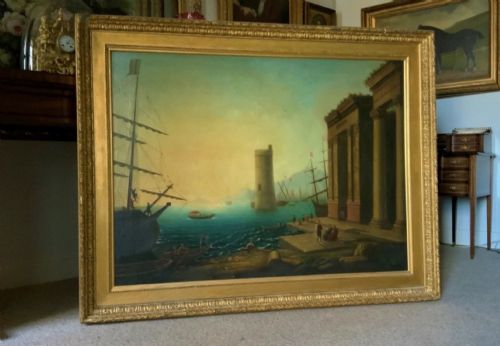
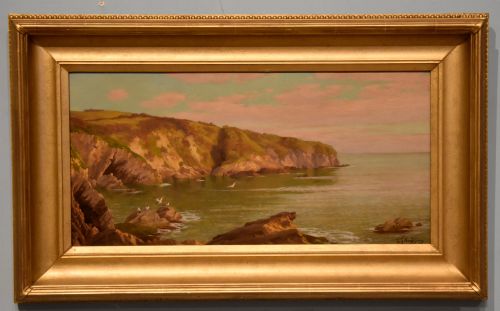
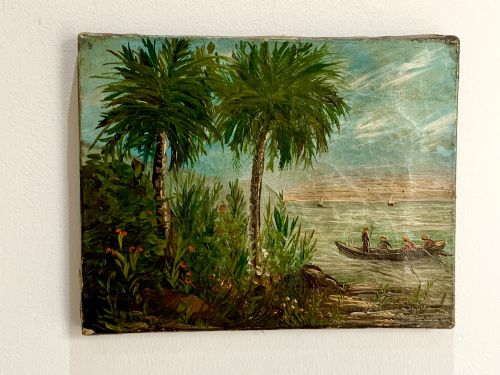
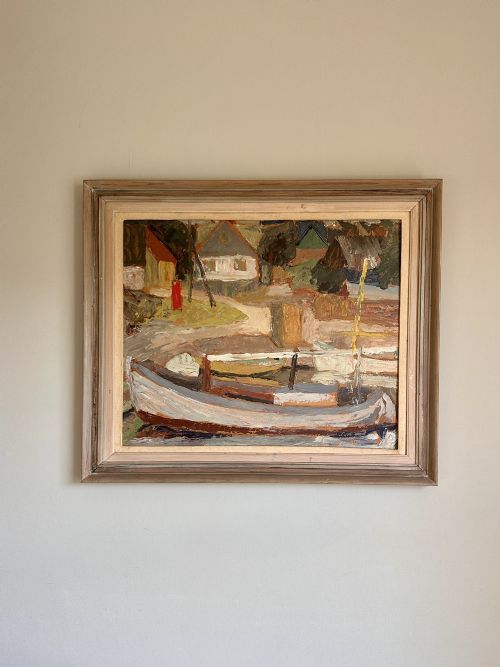
Oil on Canvas Coastal Scene
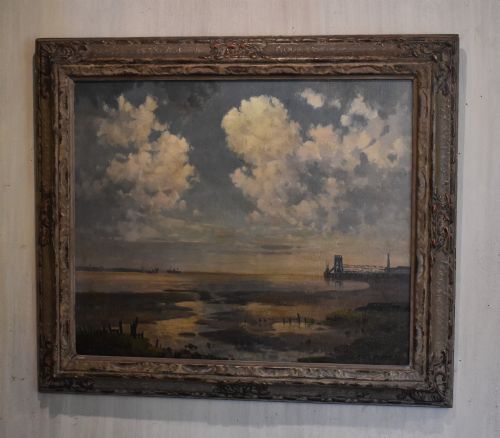
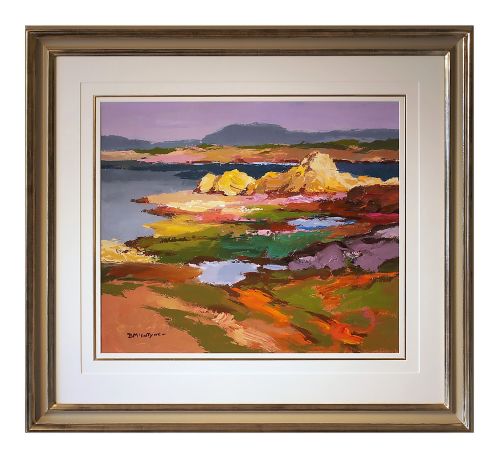
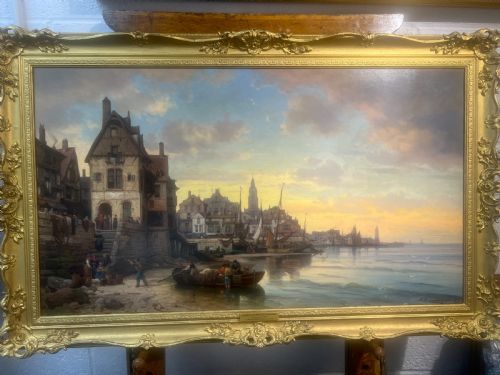
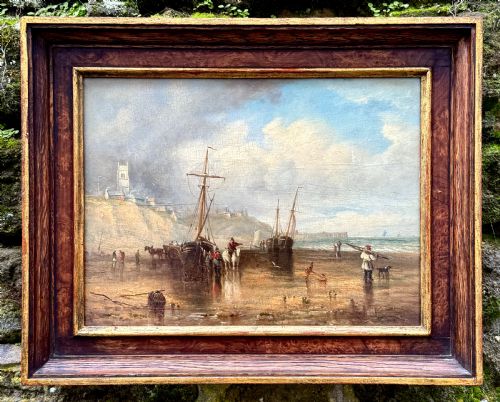
An oil on canvas coastal scene captures the shifting light and rugged beauty of the shoreline through layered pigment.
Oil on Canvas Coastal Scene
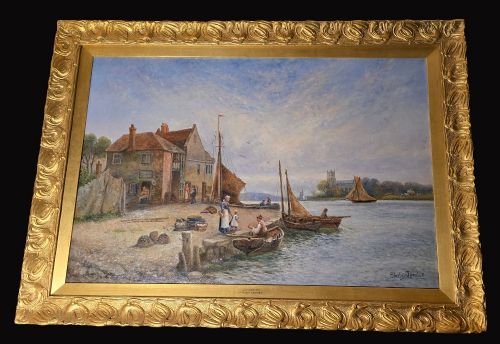
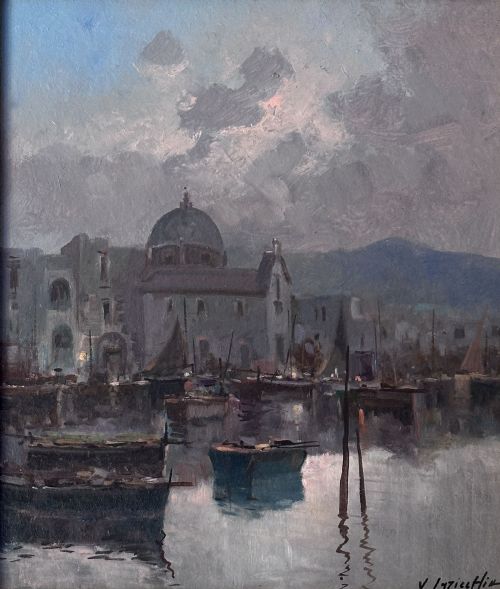
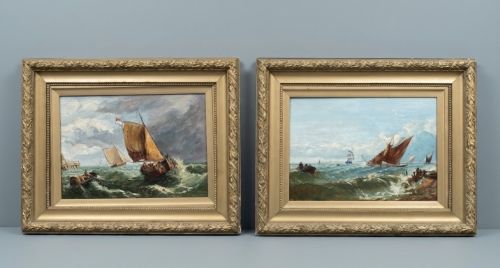
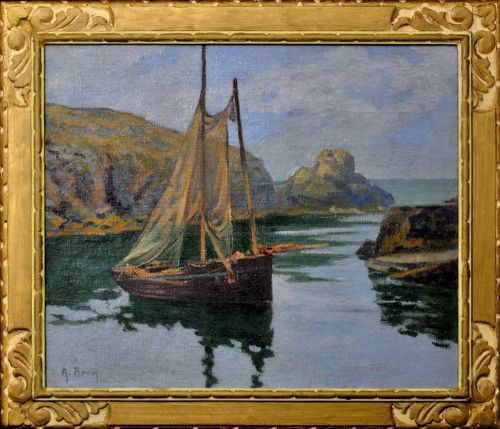
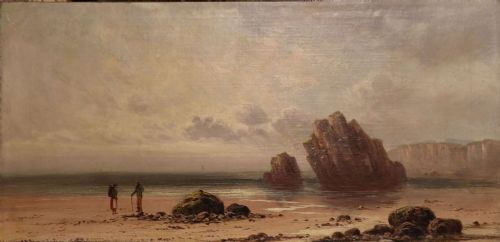
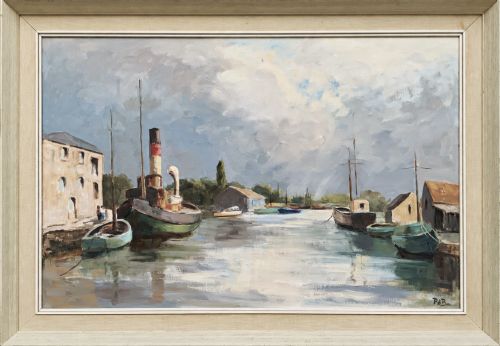
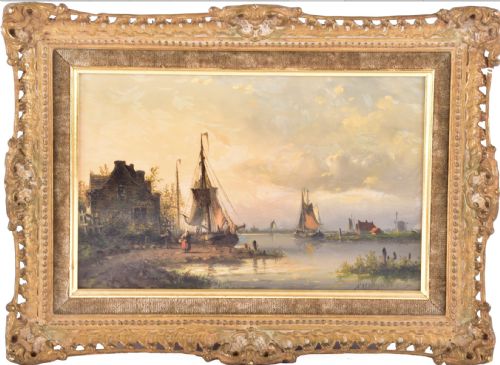
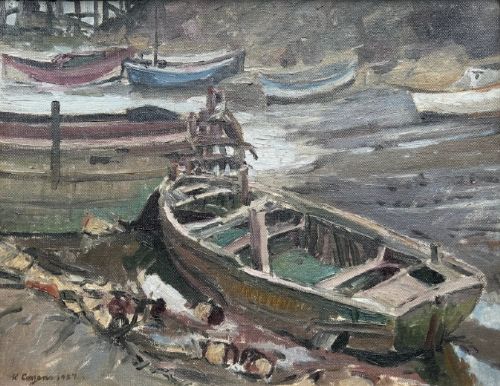
An oil on canvas coastal scene depicts maritime views, harbours, and shores, often capturing local fishermen, boats, or dramatic cliffs. These works span from the nineteenth century into the mid-twentieth century, recording coastal life across Britain, France, Italy, and beyond.
The most frequent examples on this page date from the Victorian period up to the mid-twentieth century, reflecting both traditional maritime realism and later impressionist interpretations. Buyers will encounter quiet estuaries, bustling fishing villages, and open seascapes rendered in oil.
Materials and technique
Artists painted primarily with oil paint on stretched canvas, occasionally utilising wood supports, building up brushstrokes to create texture and depth. Pigments were applied to capture the specific atmospheric conditions of light upon water and sky.
Many works retain their original giltwood and gesso frames, which complement the paintings with ornate gilded moulding that frames the canvas.
Oil on Canvas Coastal Scene Retail Price Guide 2026
Typical asking prices for oil on canvas coastal scene among the pieces listed under this phrase on Sellingantiques today, from the lower quarter to the upper quarter. They describe what is for sale here now, not the wider market.
Artists braved gale-force winds and stubborn seagulls just to capture that one fleeting splash of afternoon sunshine.
Distinctions in quality
Quality rests upon the artist's ability to handle light, perspective, and atmospheric depth within the marine setting. Stronger pieces demonstrate confident brushwork and a convincing rendering of water and sky, whereas weaker examples can feel flat or formulaic.
The preservation of both the canvas and the original gilt gesso frame influences the overall integrity of the piece. Clean paint surfaces with minimal past restoration stand apart from heavily retouched works.
Edward J Humphries·Achille Bron·Stanley Leader·Peggy de Brett·Nicolaas Martinus Wijdoogen·Kenneth Cozens·Clive Browne·Paul Bret·Thomas Creswick·Donald McIntyre·Charles Euphraisie Kuasseg·Abraham Cooper·Joseph Farquharson·John Holland·Abraham Hulk I·William Edward Webb·Gyrth Russell·Raymond Picque·George Turland Goosey·Gustave De Bréanski·Cecil Rochfort D'Oyly-John·Adrian Van Porten·T.S. Wallis·C Caldwell
The Oil on Canvas Coastal Scene Glossary
- Gesso
- A plaster-like mixture applied to wood frames as a base for gilding. It provides a smooth surface that takes gold leaf effectively.
- Impressionism
- An art movement focusing on transient effects of light and ordinary subject matter. Painters used visible brushstrokes to capture fleeting outdoor scenes.
- Seascape
- A work of art depicting the sea. These compositions often include shipping, coastal cliffs, or harbour views.
- Giltwood
- Wood that has been treated with gold leaf or gold paint. It frequently forms the decorative border of period frames.
Oil on Canvas Coastal Scene: Frequently Asked Questions
How do I date a coastal painting?
Dating relies on stylistic clues, stretcher construction, canvas types, and artist signatures recorded in historical records. Victorian works often feature heavier narrative elements, while mid-century pieces lean towards looser impressionistic brushwork.
Examining the frame can also offer clues, as many nineteenth-century paintings remain housed in their original gilt gesso surrounds.
Were these painted outdoors?
Some artists worked directly on the shore to capture changing light conditions, while others made quick pencil sketches outdoors before completing the final canvas in the studio. Both methods were common practice across the nineteenth and twentieth centuries.
The development of portable paint tubes made it increasingly practical for artists to paint en plein air along coastal cliffs and harbours.
What is the difference between maritime and coastal art?
Maritime art typically focuses on ships, naval battles, and deep-water navigation, placing vessels at the centre of the composition. Coastal scenes concentrate more on the shoreline, beaches, harbours, and figures working by the water.
Many paintings on this page bridge these categories by featuring fishing boats and harbour walls alongside the open sea.