




Oil Lamp Lighter
These oil lamp lighter pieces are charming smoking accessories modelled on classical vessels, bringing Victorian and Edwardian character to a table.
Oil Lamp Lighter
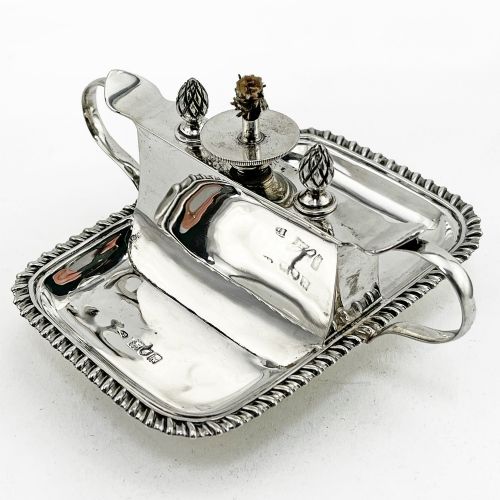
When you search for an oil lamp lighter, you find smoking accessories modelled on ancient vessels and classical oil lamps designed to sit on a table. Most examples on this page date from the Victorian, Edwardian, and later periods up to the nineteen thirties.
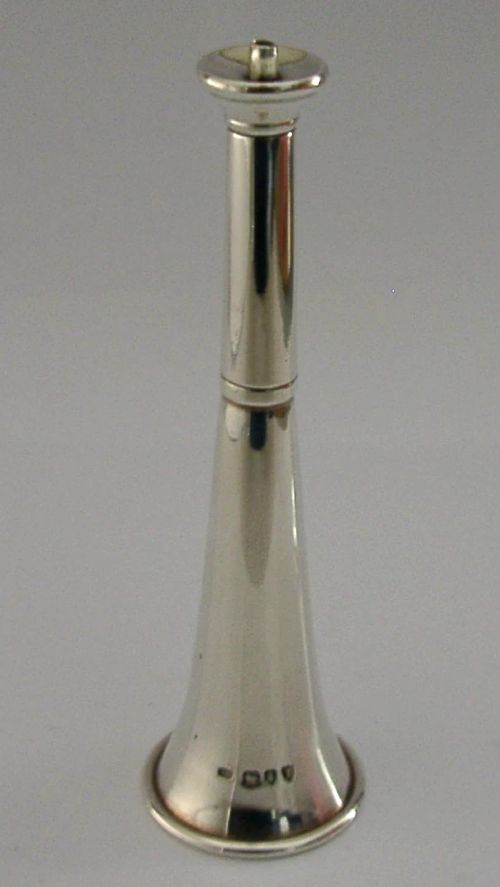
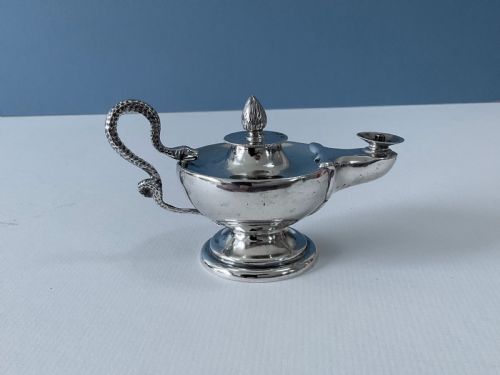
The forms vary from simple trefoil shapes to novelty designs shaped like fox hunting horns or Aladdin's lamps. These pieces served a practical purpose in smoking rooms before electric lighting and matches became ubiquitous for cigars.
Makers produced them in various styles including Classical Revival, Neoclassical Revival, Art Nouveau, and Art Deco. You are most likely to meet silver and silver plate table lighters created by notable silversmiths of the nineteenth and twentieth centuries.
Materials and construction
Silversmiths utilised sterling silver and silver plate for the bodies of these table lighters, often combining them with cotton wicks for burning oil. Some examples incorporate brass and copper elements alongside rattan for handling.
Makers cast and hammered the metal to achieve classical lamp forms, incorporating detailed spouts and handles. The construction reflects the high standards of Victorian and Edwardian metalwork workshops.
Listings feature items spanning from the Victorian era through the Edwardian period into the nineteen thirties, utilising sterling silver, silver plate, brass, and copper.
Judging quality and design
Quality rests on the crispness of the casting and the proportion of the classical lamp form. Novelty pieces with intricate details, such as hunting horns or figural shapes, demonstrate superior workshop skill compared to plain vessels.
The reputation of the maker heavily influences distinction, with signed pieces by recognised silversmiths standing apart from anonymous silver plate examples. The weight of the metal and the integrity of the period hallmarks indicate the standard of production.
Braham·Jan Eisenlöffel·WMF·Comyns·Elkington·Collingwood and Co
The Oil Lamp Lighter Glossary
- Sterling silver
- A silver alloy containing substantial pure silver by mass, standard in quality British table wares. Hallmarks on these pieces confirm the purity and origin.
- Silver plate
- A layer of silver applied to a base metal core such as brass or copper. This technique allowed makers to produce impressive table lighters at a lower cost.
- Aladdin lamp
- A traditional vessel shape featuring a prominent spout and handle, widely adopted for novelty table lighters. The classical silhouette became a favourite motif for Victorian and Edwardian smokers.
- Trefoil
- A three-lobed decorative shape often seen in the base design of table lighters. This geometric arrangement provides stability and balance to the vessel.
- Novelty
- An object manufactured in an amusing or unusual shape rather than a standard utilitarian form. These lighter models often take the shape of animals, horns, or ancient lamps.
Oil Lamp Lighter: Frequently Asked Questions
What is an oil lamp lighter?
An oil lamp lighter is a decorative table accessory designed to hold fuel and a wick for lighting cigars and pipes. They were essential smoking room items during the Victorian and Edwardian eras.
Craftsmen modelled these pieces on ancient oil lamps, creating functional items that doubled as decorative conversation pieces for the dining table or desk.
How did people use them?
Users filled the vessel with oil and lit the cotton wick to provide a steady flame for cigars and tobacco. They sat on tables within easy reach of guests in smoking rooms.
The design allowed the user to carry a small flame safely or light it directly from the stationary vessel on the table.
How do I date an oil lamp lighter?
Dating relies on reading the silver hallmarks stamped onto the metal, which indicate the assay office and year of production. Stylistic clues such as Art Nouveau curves or classical revival motifs also point to specific decades.
Matching the maker's mark against historical records provides the exact year the piece left the workshop.
Are these lighters still functional?
While many retain their original wicks and burners, collectors generally treat them as decorative antiques rather than daily smoking tools. Using period silver with modern fuels requires careful handling to preserve the antique metal.
Most owners prefer to display them as examples of historical silversmithing and design.