



Off White Linen Press
An off white linen press offers practical storage combined with soft painted charm, bringing historic character into a modern interior.
Off White Linen Press
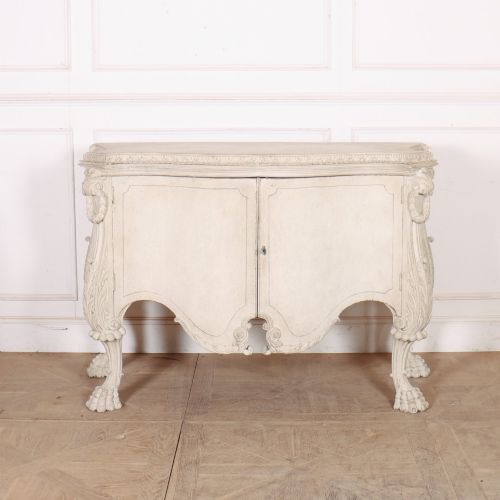
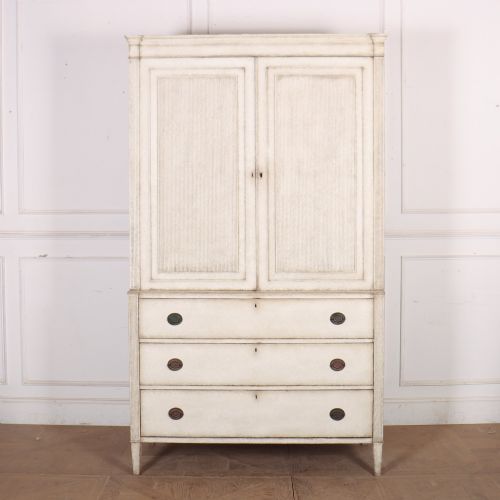
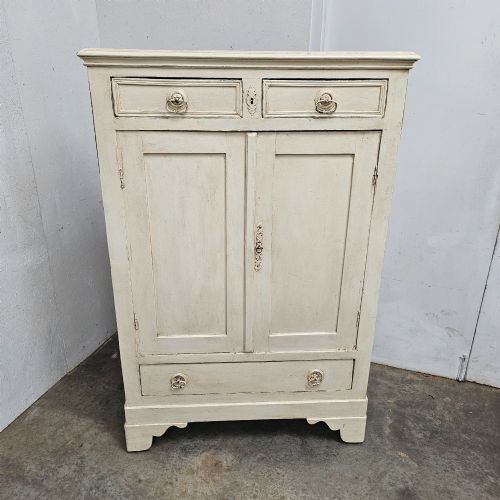
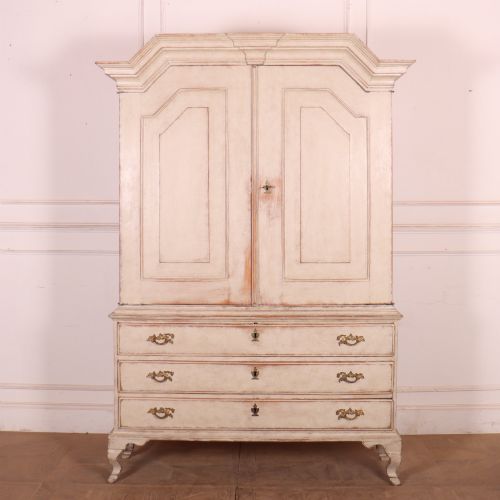
An off white linen press provides large-scale storage through tall cabinet and cupboard forms designed for domestic use. These pieces include housekeeper cupboards, side cabinets, and linen cupboards originating from country houses and provincial workshops.
The selection here draws heavily from the nineteenth and eighteenth centuries, with regional examples spanning English country, Scandinavian, French provincial, and Italian rococo styles. Painted pine and timber dominate the inventory, offering weathered patinas rather than formal cabinetmaking veneers.
Buyers will encounter various incarnations, from tall wardrobes and bookcases to scullery cupboards and side cabinets. The overriding characteristic is a pale, painted surface finish applied over solid timber construction.
Materials and construction methods
Pine and painted timber serve as the primary structural materials for these regional pieces, chosen for availability and ease of working. Iron and brass hardware such as hinges and handles complete the construction.
Surfaces receive layered coats of paint, often applied over decades of use to create deep, textural finishes. Joinery relies on traditional carpentry techniques suited to large domestic storage furniture rather than delicate cabinetwork.
Off White Linen Press Retail Price Guide 2026
Typical asking prices for off white linen press among the pieces listed under this phrase on Sellingantiques today, from the lower quarter to the upper quarter. They describe what is for sale here now, not the wider market.
Scullery cupboards bring the scent of old housekeepers and damp linen rooms straight into the hallway.
Assessing quality in painted storage furniture
Quality rests in the integrity of the timber frame and the authenticity of the painted surface. Original or early paint layers that show natural wear outrank heavily restored or modern decorative finishes.
Proportion and scale distinguish finer regional pieces from utilitarian utility cupboards. Balanced door alignments and well-preserved internal shelving elevate the standing of an individual wardrobe or linen press.
The Off White Linen Press Glossary
- Linen press
- A tall storage cabinet traditionally used for folding and storing household linen and garments. These pieces often feature upper shelving and lower drawers or cupboards.
- Housekeeper cupboard
- A large utility storage piece historically kept in large country houses for domestic supplies. They typically offer extensive shelving and robust wooden construction.
- Pine
- A softwood commonly utilised in country furniture for its accessibility and straight grain. It accepts paint finishes readily and forms the structural core of most pieces here.
- Patina
- The surface sheen and textural depth developed by timber and paint over centuries of handling and age. It serves as a key indicator of authenticity.
- Gustavian
- A Swedish neoclassical style characterised by lighter colour palettes and restrained ornamentation. It heavily influences the Scandinavian painted pieces found in this category.
Off White Linen Press: Frequently Asked Questions
How do I style an off white linen press?
These large storage pieces work well as focal points in bedrooms, hallways, or living areas where they break up plain walls. Their neutral painted tones blend easily with various interior schemes.
Allow the natural texture of the painted surface to stand out by keeping surrounding decor simple and uncluttered.
What is the difference between a linen press and a wardrobe?
A linen press traditionally focuses on internal shelving designed for flat-folded textiles and domestic storage. Wardrobes generally provide hanging space for garments on rails or hooks.
Many regional country cupboards bridge these categories depending on how past owners adapted the internal compartments.
How do I care for painted pine furniture?
Maintain the painted surface by dusting gently with a soft, dry cloth rather than using wet cleaners or chemical polishes. Keep the timber away from direct heat sources and strong sunlight to prevent warping.
Allow the natural ageing of the paint to remain untouched, as historic surface wear is part of the character.
How do I identify eighteenth-century pieces?
Eighteenth-century examples often display hand-cut joinery, pegged joints, and deeply accumulated layers of early paint. The construction methods reflect manual woodworking tools and regional traditions.
Examine the backboards and interior construction to spot signs of age that distinguish them from later nineteenth-century furniture.