



Ochre Watercolour Landscape Art
Ochre watercolour landscape art captures natural light and open terrain using fluid earth pigments on paper.
Ochre Watercolour Landscape Art
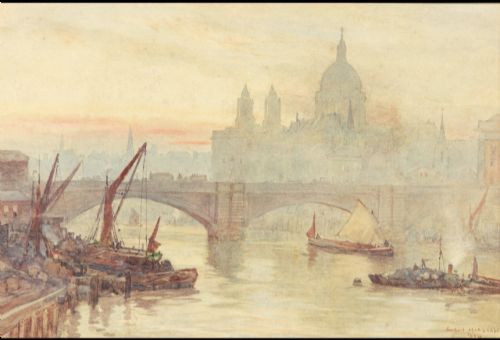
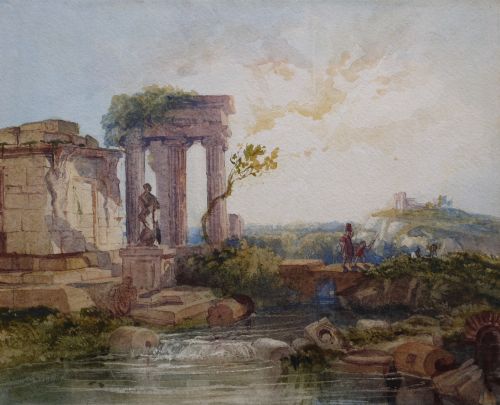
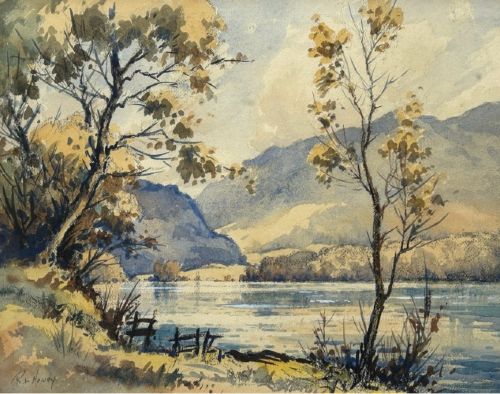
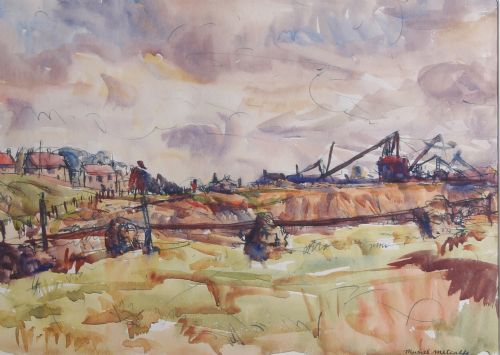
Ochre watercolour landscape art comprises original works on paper executed in water-soluble pigments, capturing rural scenes, riversides, and coastal views. These paintings range from Victorian Classical depictions to mid-century British school compositions.
Buyers will encounter framed works dating from the late nineteenth century through to the mid-twentieth century. The selection includes British regional topography alongside continental scenes from France, Italy, and Egypt.
The dominant subjects feature harvest fields, market towns, and mountain vistas rendered through transparent washes of pigment. Many pieces bear signatures or attribution to established painters of the period.
Materials and technique
Artists applied watercolour pigment suspended in water onto heavy paper sheets, often mounted behind protective glass within wooden or gilded frames. Gouache was occasionally added to introduce opaque highlights and depth to the painted surface.
Brushwork combined broad washes for skies and terrain with precise linework for architectural elements and figures. The natural tone of the paper frequently served as the lightest value within the composition.
Camels and Bedouin tribesmen share space with rainy London streets and Welsh valleys across these diverse historical travels.
What varies in quality
Quality rests upon the artist's command of tone and light, where confident brushwork creates atmosphere without overworking the paper surface. Superior pieces maintain luminosity in the sky and water through preserved white paper rather than heavy white bodycolour.
The sophistication of spatial depth and the preservation of the delicate pigment against fading determine the standing of an individual sheet. Framing materials that protect the paper from moisture and light contribute to the longevity of the artwork.
Richard Principal Leitch·Thomas Ellison·Robert Leslie Howey·Muriel Metcalfe·Gaston Cornil·Edwin Lord Weeks·George Graham·Arthur Tucker·Charles James Lauder·Rowland Henry Hill·Sidney James Beer·Clara Montalba·Benedetto Salviati·Joseph W Milliken·Frederick Mayor·Alfred Robert Quinton·Fred Stead·William Lucas·Madeline Hughes·Frederick Tully Lott·Arthur Claude Strachan·George Hamilton Constantine·George Sykes·John J Hamer·Fred Lawson
The Ochre Watercolour Landscape Art Glossary
- Watercolour
- A painting method where paint is made of pigments suspended in a water-based solution. It is traditionally applied to paper surfaces.
- Gouache
- An opaque watercolour paint consisting of pigment combined with a binding agent and honey or chalk. It creates solid areas of colour with a matte finish.
- Wash
- A thin, transparent layer of diluted watercolour paint spread evenly across the paper. It is typically utilised for skies and broad expanses of water or land.
Ochre Watercolour Landscape Art: Frequently Asked Questions
How should I hang watercolour art?
Watercolours require placement away from direct sunlight to prevent the pigments and paper from fading over time. UV-filtering glass and professional framing help protect the integrity of the antique paper.
Keep the works in rooms with stable humidity levels to avoid warping the paper or encouraging mould growth behind the glass.
Are these paintings original works?
The listings consist of original hand-painted works executed directly by the artists onto paper supports rather than mechanical reproductions. Many pieces feature artist signatures, inscriptions, or period exhibition labels.
Each painting records a distinct application of pigment, brush technique, and paper texture unique to that specific creation.
How do I identify the period?
Stylistic markers such as Victorian classical composition, Edwardian palette choices, or mid-century modern abstraction offer clear indications of a painting's age. Frame styles, artist biographical dates, and old gallery inscriptions on the reverse also help date the work.
Paper characteristics and handwritten titles on the mount frequently provide further historical context for the creation date.
What subjects are most common?
Landscape and townscape subjects dominate the selections, ranging from British rural harvests and coastal villages to European urban scenes. Artists frequently documented specific geographical locations during travels or grand tours.
Scenes often include rivers, lakes, architecture, and figures engaged in daily rural or maritime labour.