

Occasional Small Sofa
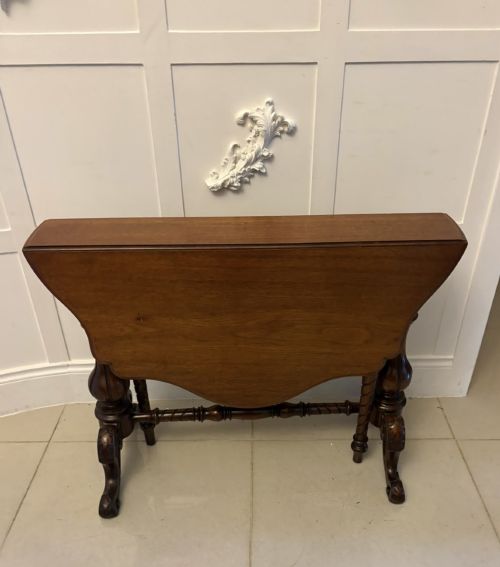
An occasional small sofa requires a compact drop-leaf or Sutherland form in mahogany or rosewood, providing a versatile surface that tucks neatly beside seating.
Occasional Small Sofa
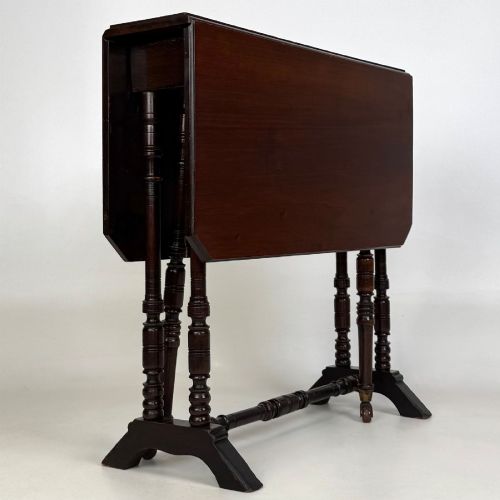
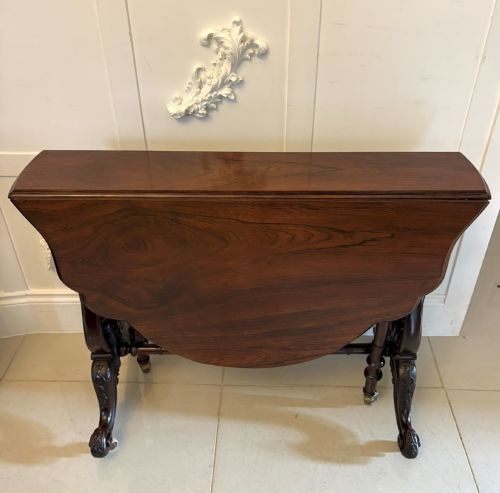
An occasional small sofa table brings together compact drop-leaf designs and Sutherland tables intended to sit beside seating areas in period rooms. These pieces originate from the 18th century through to the Edwardian period, capturing the evolution of domestic convenience.
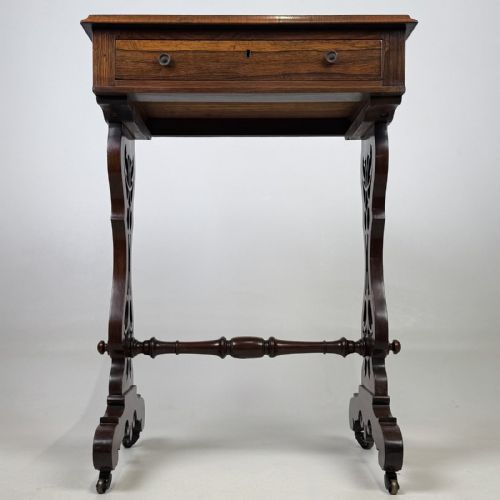
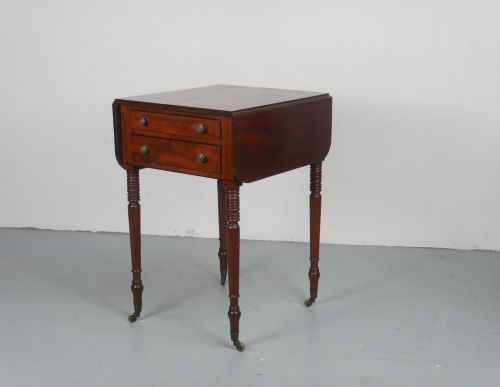
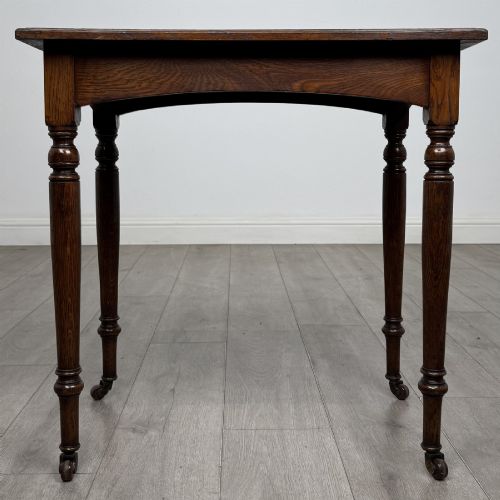
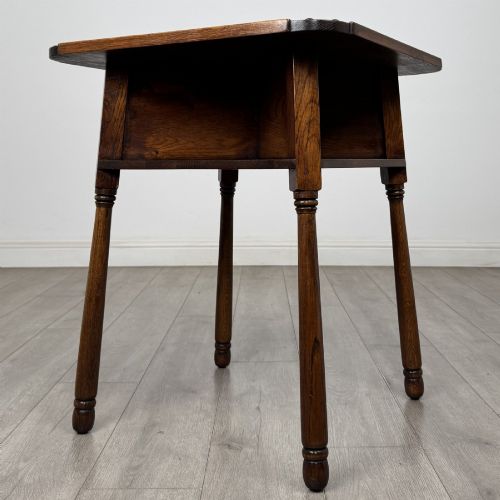
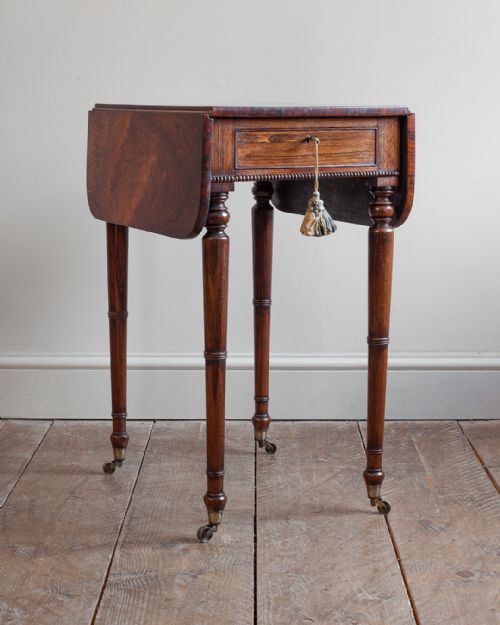
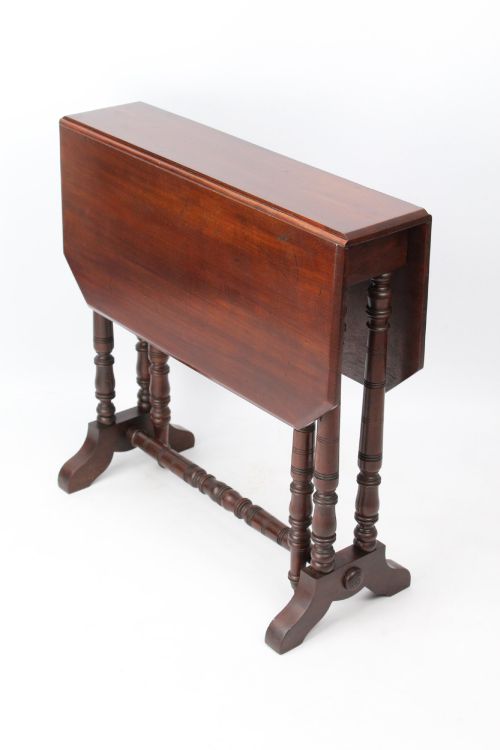
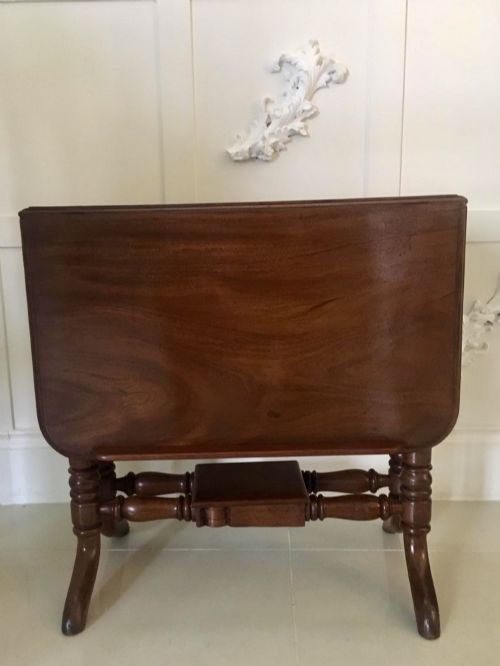
The listings here show a heavy concentration of mahogany and rosewood examples from the Victorian and Edwardian eras, alongside earlier Regency and Georgian forms. Buyers encounter numerous drop-leaf Pembroke tables and narrow Sutherland tables designed for small spaces.
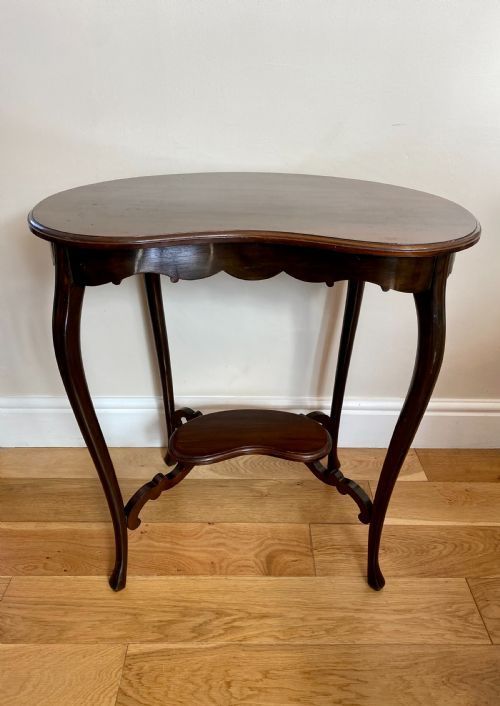
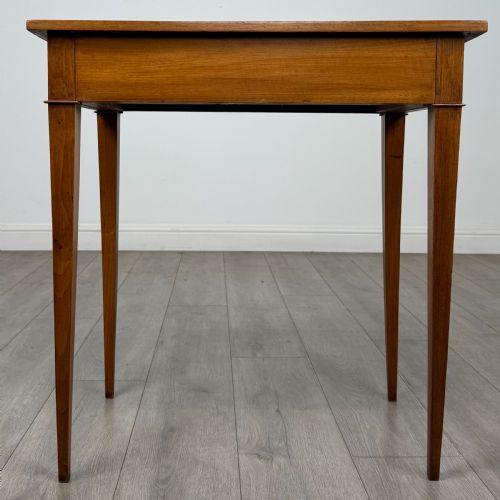
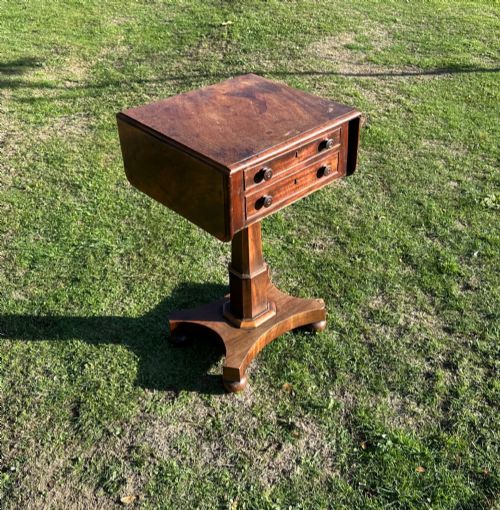
Makers utilised various secondary forms including side tables, lamp tables, and multi-tiered occasional tables to serve similar functions within a drawing room or parlour. The underlying purpose remains the provision of a movable surface that expands when needed.
How they were made
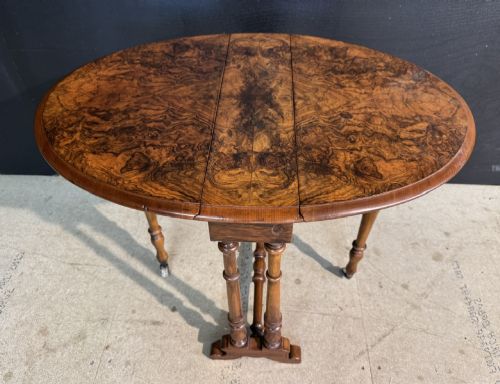
Cabinetmakers relied heavily on solid mahogany and walnut, frequently applying figured veneers such as burr walnut and rosewood to the primary surfaces of these tables. Secondary timbers provided sturdy frames for the folding leaves and drop-leaf mechanisms.
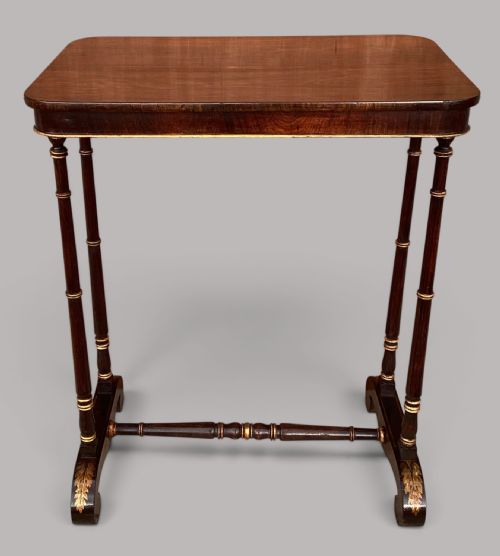
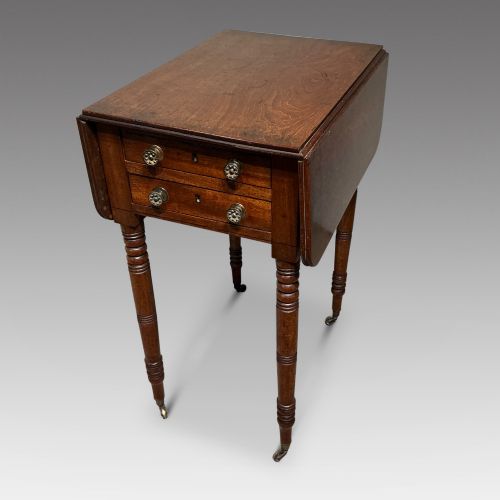
Construction techniques involve intelligent hinging systems, such as the narrow pivoting leaves characteristic of Sutherland tables and the folding flaps supported by swinging brackets on Pembroke tables. Turned legs, bamboo-turning, and cabriole supports distribute weight beneath the moving leaves.
Occasional Small Sofa Retail Price Guide 2026
Typical asking prices for occasional small sofa among the pieces listed under this phrase on Sellingantiques today, from the lower quarter to the upper quarter. They describe what is for sale here now, not the wider market.
Object forms span Pembroke tables, Sutherland tables, drop-leaf tables, and multi-tiered occasional designs.
What varies in quality
The distinction between ordinary and superior examples rests on the selection of timber veneers, such as richly figured burr walnut or dense rosewood, and the crispness of any inlaid marquetry. Finer pieces demonstrate precise joinery in the drop-leaf hinges and drawers that operate smoothly without binding.
Proportion and structural balance separate standard production items from workshop pieces bearing maker attributions. Subtle details like bamboo-turned legs, brass castors, and well-executed Pembroke flaps elevate the visual harmony of a small table.
W. Turner Lord & Co·Gillow·Liberty and Co
The Occasional Small Sofa Glossary
- Sutherland table
- A narrow drop-leaf table featuring exceptionally slender folding flaps that drop down almost vertically. This design allows the table to occupy minimal space when folded flat.
- Pembroke table
- A small rectangular table with two hinged flaps on opposite sides, originally designed for breakfast or writing use. It typically includes one or two small drawers beneath the top.
- Drop-leaf
- A tabletop design incorporating hinged sections that fold down to reduce the overall footprint. These flaps lift up to extend the surface area when required.
- Marquetry
- The art of applying pieces of veneer to a structure to form decorative patterns and pictures. Craftsmen utilise contrasting woods like satinwood and walnut to create these surface designs.
Occasional Small Sofa: Frequently Asked Questions
What is an occasional small sofa table?
An occasional small sofa table is a compact furniture piece designed to sit immediately beside a seating area. These items typically incorporate drop-leaf mechanisms or narrow Sutherland frames.
They provide a functional surface for lamps, books, or writing materials without overwhelming a room's floor space. The form spans several periods from the Georgian era through to Edwardian times.
How were Sutherland tables used?
Sutherland tables served primarily as versatile tea or occasional tables in Victorian and Edwardian drawing rooms. Their exceptionally narrow closed profile allowed them to stand flush against a wall.
When guests arrived, the hinged leaves folded up to create a larger surface for refreshments or reading materials. This flexibility made them popular in homes with limited parlour space.
Which woods are most common?
Mahogany appears most frequently across these listings, spanning the Georgian, Regency, and Victorian periods. Rosewood and walnut also feature prominently, particularly in mid-nineteenth-century examples.
Finer pieces often display figured burr walnut veneers or delicate satinwood inlay work. Oak and satinwood occur less frequently in specific regional or later Edwardian styles.