

Occasional Card Table
An occasional card table brings folding leaves and fitted boards into the sitting room, offering a clever surface for evening games and tea.
Occasional Card Table
An occasional card table bridges the gap between a decorative display piece and a functional surface for games, most frequently appearing in Victorian and Edwardian iterations alongside earlier Georgian and Regency designs.
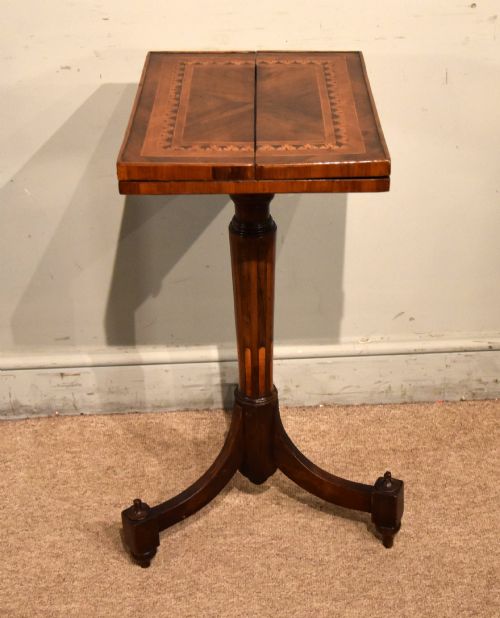
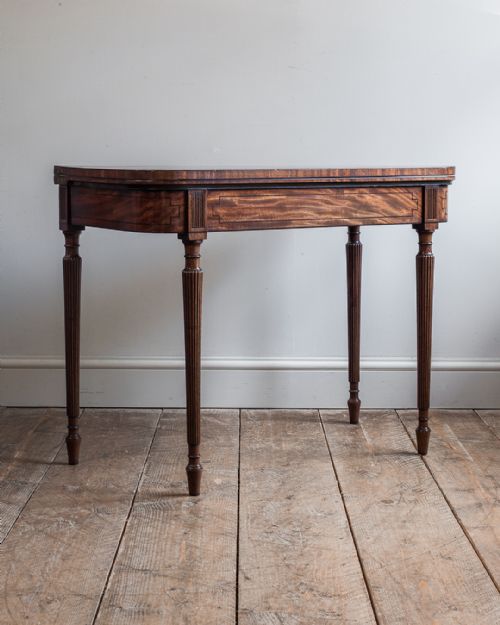
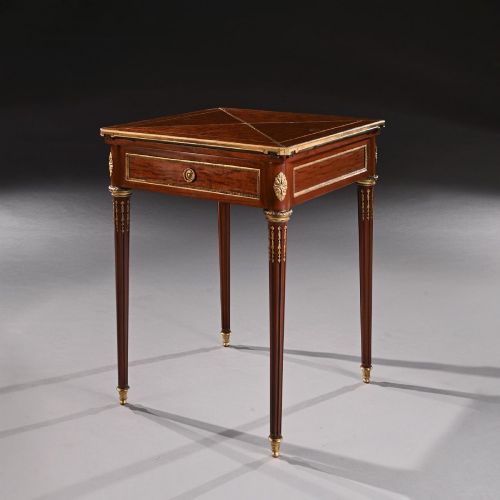
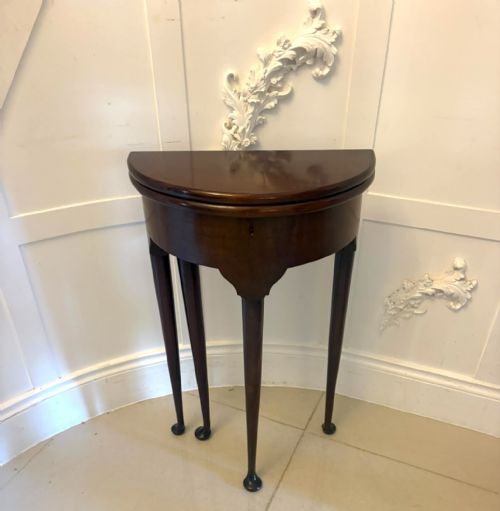
These pieces emerge across diverse forms including foldover card tables, envelope tables, and pedestal games tables, often serving a dual purpose as tea or side tables when closed.
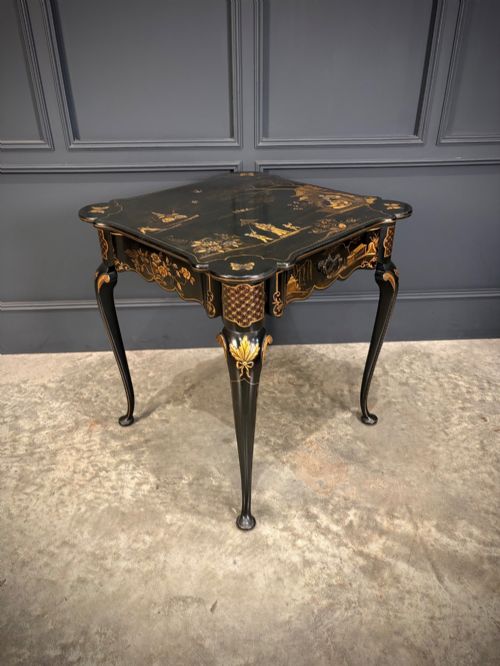
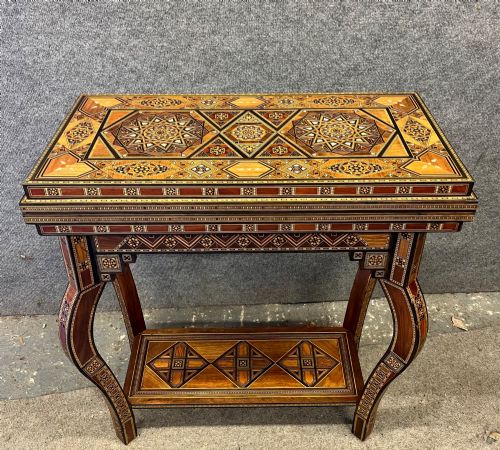
The selection ranges from burr walnut and mahogany foldover surfaces to lacquered Chinoiserie occasional tables and marquetry patience tables, reflecting varied social habits across the nineteenth and twentieth centuries.
Materials and construction methods
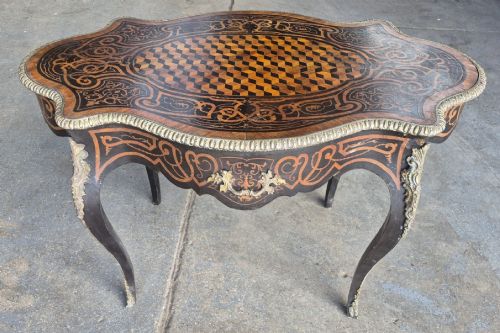
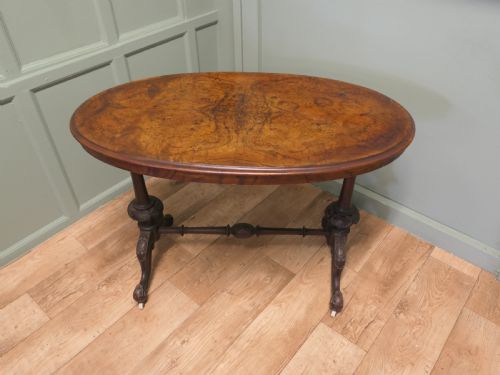
Cabinet makers utilised dense hardwoods such as mahogany, walnut, and rosewood, frequently applying burr walnut, satinwood, and olive veneers to create striking geometric or figured table tops.
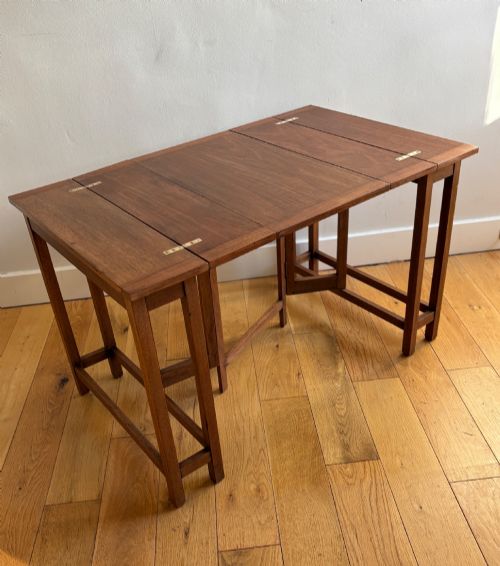
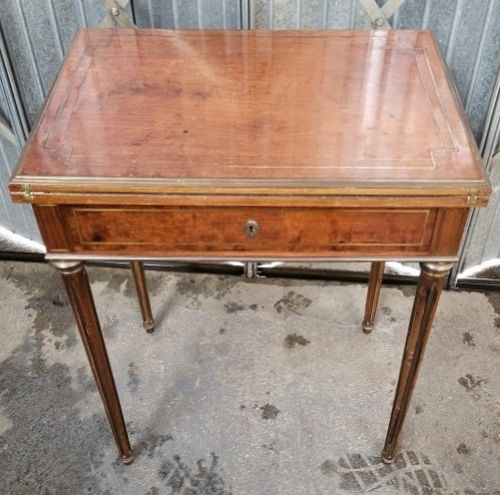
Specialised construction allows tops to pivot, fold, or unfold, revealing concealed storage compartments, baize-lined playing surfaces, or chess and backgammon boards beneath the primary leaf.
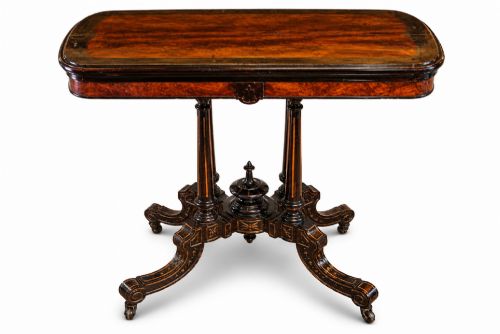
Decorative surface techniques include ebonised detailing, penwork, lacquer work, and delicate marquetry, anchoring the pieces within styles from Regency and Aesthetic Movement to Art Deco.
Occasional Card Table Retail Price Guide 2026
Typical asking prices for occasional card table among the pieces listed under this phrase on Sellingantiques today, from the lower quarter to the upper quarter. They describe what is for sale here now, not the wider market.
Certain Victorian tables hide entire backgammon boards and chess grids beneath their tea leaves, perfect for covert parlour disputes.
Standards of craftsmanship
Quality rests heavily on the precision of the folding mechanism and the stability of the hinges, ensuring the top sits flush and bears weight securely whether open or closed.
The choice of timber grain, particularly matched burr walnut or figured Cuban mahogany, dictates the visual distinction of the piece, supported by crispness in hand-carved or penwork details.
Antoine Lampre
The Occasional Card Table Glossary
- Foldover
- A table top hinged to double its surface area when opened out. This design conceals the playing well or storage compartment underneath.
- Baize
- A coarse woolen fabric used to line the playing surface of card and games tables. It provides a soft, grippy texture for handling cards.
- Penwork
- A decorative technique using ink applied to wood to create intricate linear patterns and illustrations. It appears frequently on Regency tripod tables.
- Envelope table
- A clever square table with four triangular flaps that swivel open together to resemble an unfolding envelope. This action reveals a lined interior.
- Bouillotte table
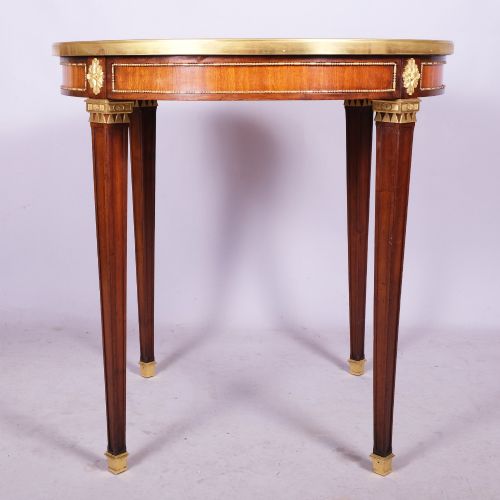
- A small French card or occasional table featuring a raised gallery rim around the edge. It typically includes a marble top and small candlesticks.
Occasional Card Table: Frequently Asked Questions
What is an occasional card table?
An occasional card table is a versatile piece of furniture designed to function as a standard side table during the day. When guests arrive, the top folds, pivots, or opens to reveal a dedicated surface for card games, chess, or tea.
These pieces combine decorative presence with practical engineering, often incorporating concealed storage compartments for counters and playing cards beneath the folding leaves.
How do you use a foldover card table?
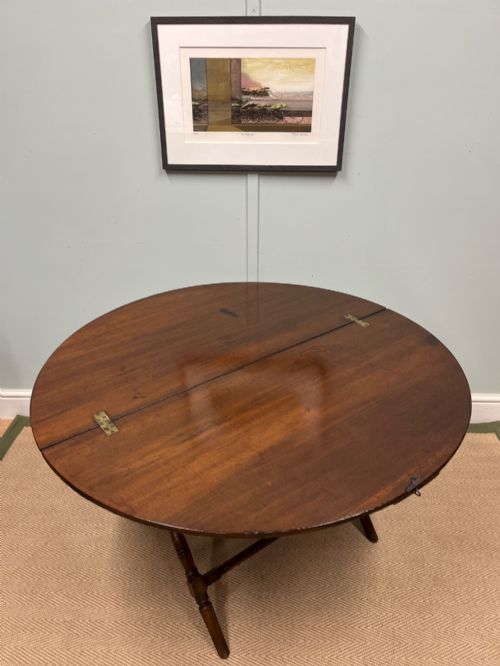
To use a foldover table, you lift and rotate the top leaf ninety degrees before lowering it flat onto the supporting frame or swing leg. This action opens the book-matched surface to display a baize, wood, or leather playing area.
When not in use for games, simply fold the leaf back into its closed position against the base to restore a compact console or side table profile.
Where should I place a games table?
These tables suit sitting rooms, studies, or hallways where their dual nature adds both surface area and historical character. Placing them against a wall allows the closed top to function as a display space for lamps or ornaments.
Pulling the table into the room and opening the leaves creates an immediate focal point for evening entertainment or intimate gatherings.
How do I identify the period of a card table?
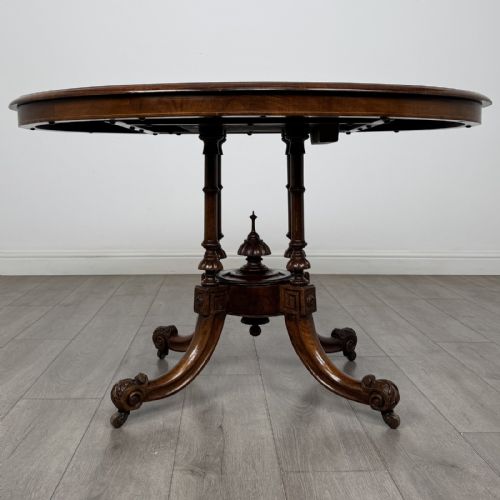
Dating relies on observing timber choices, leg styles, and construction markers. Georgian examples often feature straightforward mahogany frames and crisp drawer linings, while Victorian pieces lean toward burr walnut and elaborate turned pedestals.
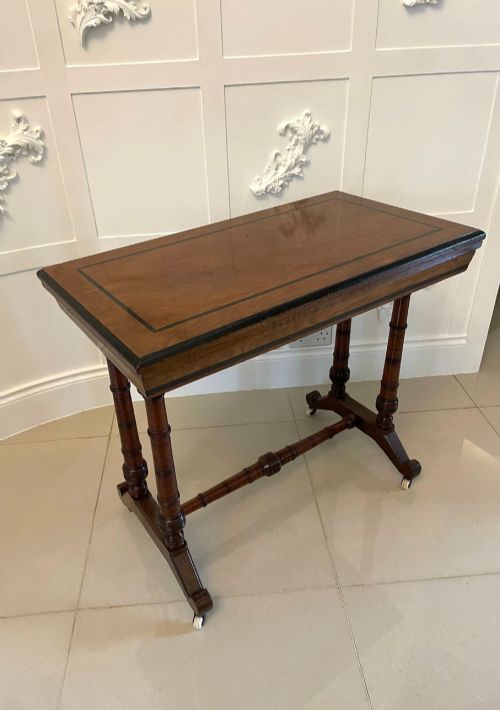
Later Edwardian and Art Deco iterations introduce satinwood veneers, simplified geometry, and alternative materials like beech and bamboo.