


Oak Wood Frames
These oak wood frames bring structural grain and carved depth to walls and furnishings, spanning centuries of domestic display.
Oak Wood Frames
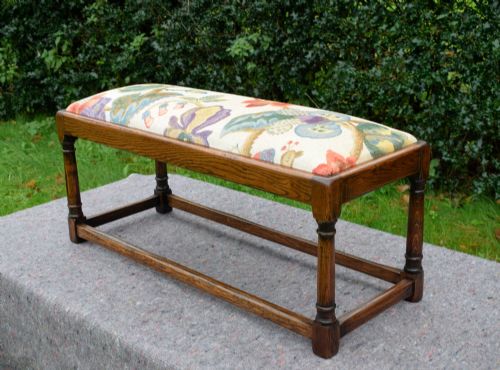
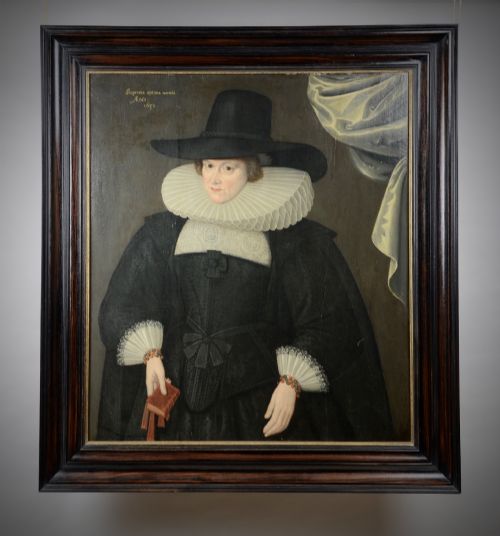
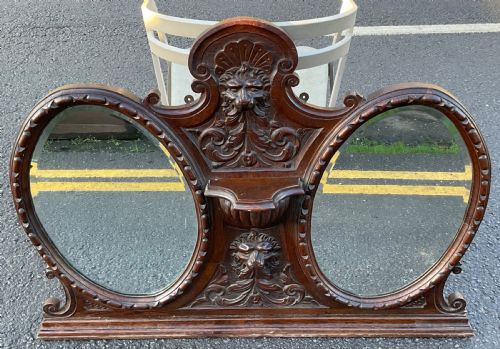
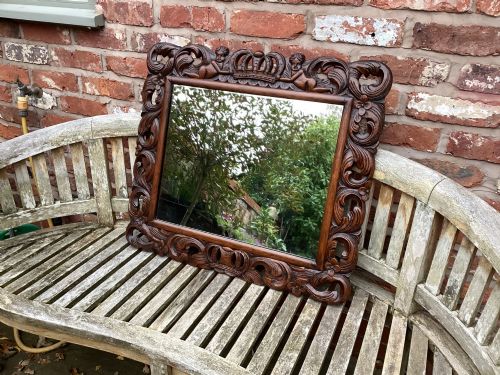
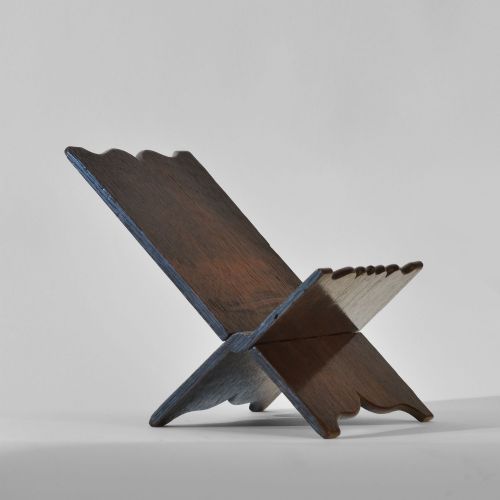
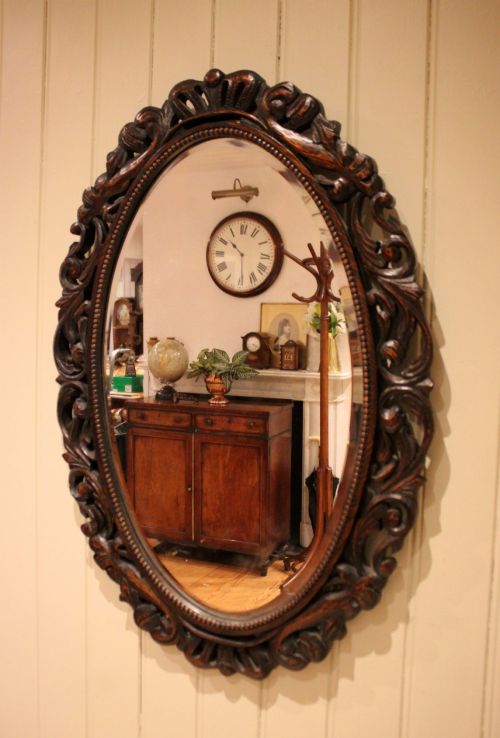
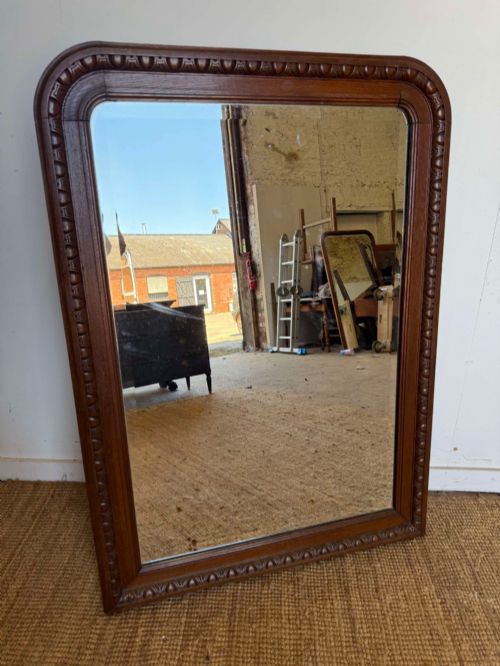
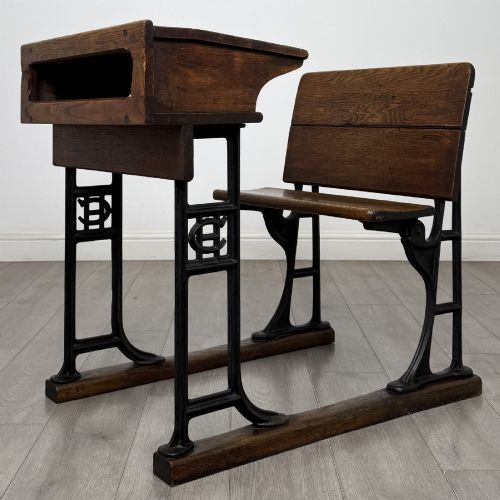
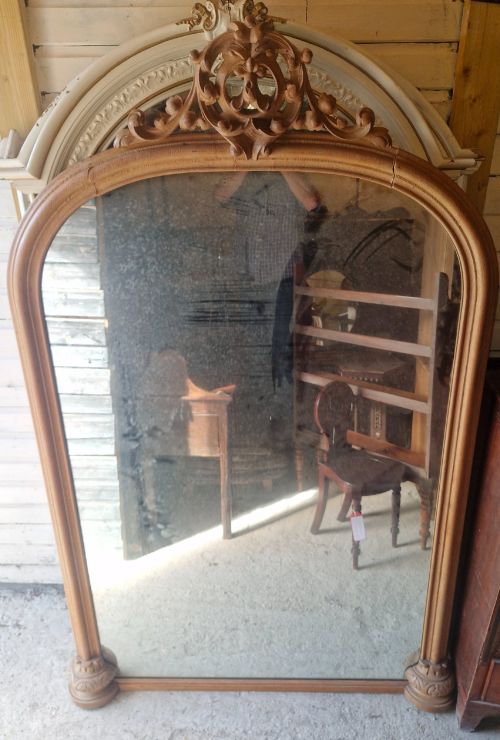
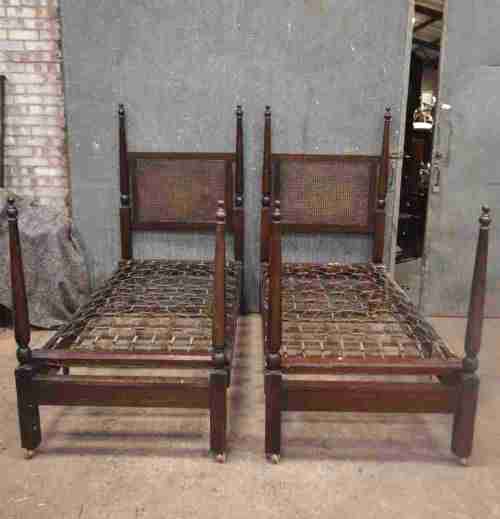
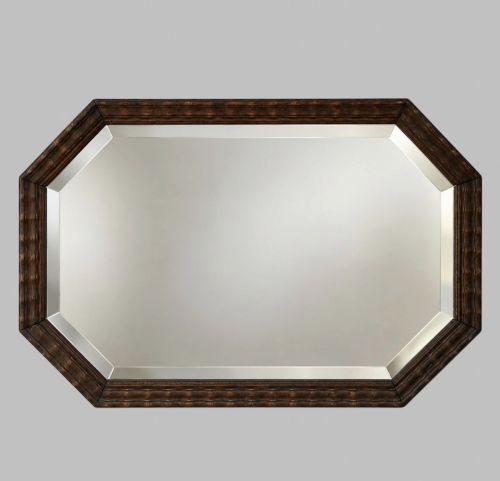
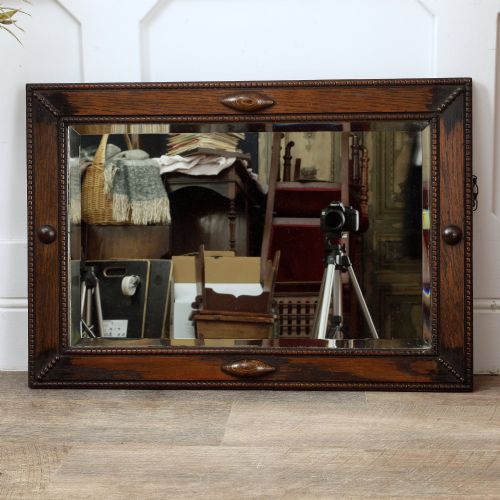
When searching for oak wood frames, buyers encounter a diverse range of objects primarily functioning as wall mirrors, seating supports, and enclosures for prints or drawings. The selection on this page leans heavily toward 19th-century and early 20th-century wall mirrors, alongside armchairs, beds, and framed artwork.
The assortment reflects various regional interpretations and stylistic movements, from French Provincial and Arts and Crafts to Gothic Revival. Makers utilised the durability of oak to house bevelled glass, hand-painted coats of arms, and historical engravings with equal measure.
Buyers will find that while some examples remain simple and rectangular, others incorporate ornate carvings, arched tops, or bobbin turnings. This variety ensures that these pieces suit both traditional interiors and more eclectic modern spaces.
How they were made
Carpenters and joiners worked primarily with solid oak, selecting timber for its prominent medullary rays and distinct grain patterns. Frames were often shaped using hand tools, yielding bevelled edges, fret-cut profiles, and deep mouldings.
Carved details on these pieces range from geometric Gothic motifs to elaborate hunting lodge scenes and floral reliefs. Many surfaces retain their natural timber finish, while others show traces of bleaching, liming, painting, or gilding.
Glass elements, particularly bevelled mirror plates, were secured into rebated wooden channels with wooden slips or pinned backs. Where frames enclose paper works, prints, or charcoal drawings, traditional backing boards and protective glass complete the construction.
Oak Wood Frames Retail Price Guide 2026
Typical asking prices for oak wood frames among the pieces listed under this phrase on Sellingantiques today, from the lower quarter to the upper quarter. They describe what is for sale here now, not the wider market.
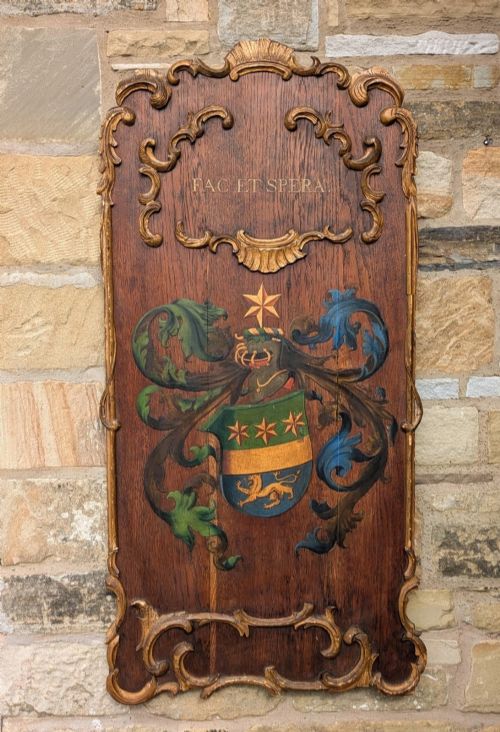
Among the oak frames rest an antique painted shop sign for 'The Baldock Gallery' and a hand-painted Dutch coat of arms.
What varies in quality
The quality of oak wood frames rests largely on the crispness of the carving and the integrity of the underlying timber joinery. Finer examples display hand-cut relief work with sharp undercut details rather than shallow, machine-routed patterns.
The condition and clarity of the glass or the paper contents also dictate the standing of a piece. Original bevelled mirror plates with gentle foxing indicate age, whereas poorly executed later replacements diminish the piece's integrity.
Proportion and balance distinguish superior framing from simpler utility items. A well-designed moulding complements the weight of the enclosed mirror or artwork, ensuring the entire object reads as a cohesive work of craftsmanship.
Waring and Gillow·William Bird MD FLS·Nanninga Uitterdyke·TB Hardy
The Oak Wood Frames Glossary
- Bevelled glass
- Glass with an edge that has been cut and polished to an angle thinner than the rest of the pane. This technique catches light and adds depth to mirrors.
- Bobbin framing
- A style of turned woodwork characterised by a series of rounded, spool-shaped segments resembling bobbins. It is commonly found on 19th-century chairs and mirrors.
- Overmantel mirror
- A large wall mirror specifically designed to hang above a fireplace mantelpiece. These often feature architectural mouldings or elaborate crests.
- Fret cut
- Wood that has been pierced and cut through with a fretsaw to create decorative patterns or silhouettes. This technique creates lighter, ornamental borders on wall mirrors.
- Wainscot armchair
- An early form of wooden armchair constructed with panelled backrests and solid seats. These sturdy seats date back to earlier centuries of English cabinetmaking.
Oak Wood Frames: Frequently Asked Questions
How do I date an oak frame?
Dating relies on observing construction methods, hardware, and stylistic cues such as Gothic Revival or Arts and Crafts motifs. Joinery marks and the type of saw cuts on the reverse timber offer further chronological clues.
Changes in glass manufacturing, such as the introduction of bevels or early silvering techniques, also help narrow down the decade of production.
Where should I hang a heavy mirror?
Large wall mirrors require secure fixings into structural wall studs or masonry using appropriate wall anchors. The weight of the solid oak and glass demands professional installation to ensure stability.
Positioning them opposite a window helps maximise natural light distribution within a room.
Can I polish the oak wood?
Maintenance should be kept minimal to preserve the original patina and finish of the timber. A light application of microcrystalline wax helps nourish dry wood without building up residue.
Avoid modern liquid polishes that contain silicones, as these can permanently alter the surface sheen.