

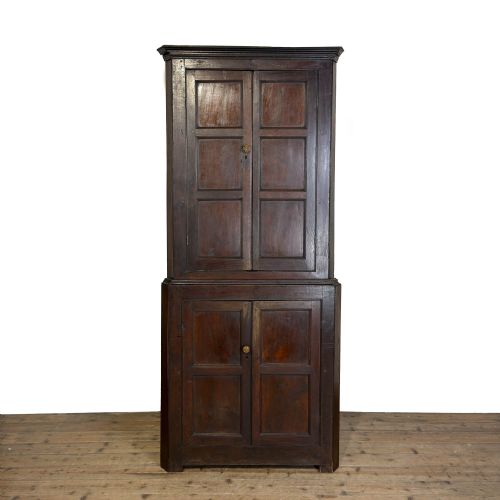
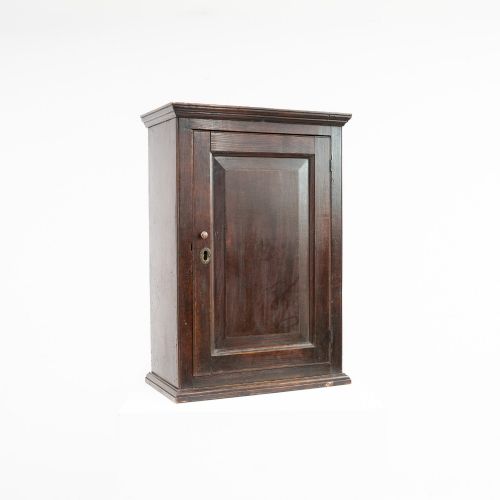
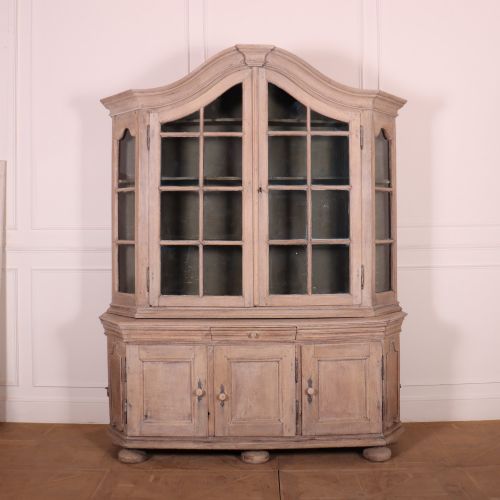
Oak Wood Cupboard
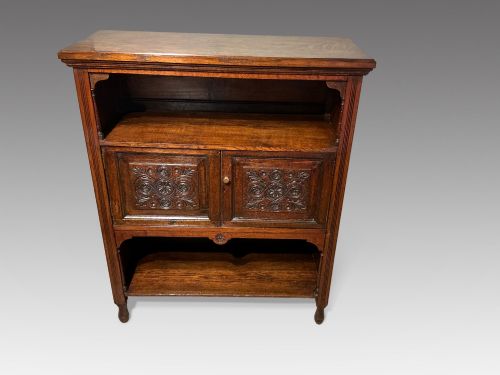
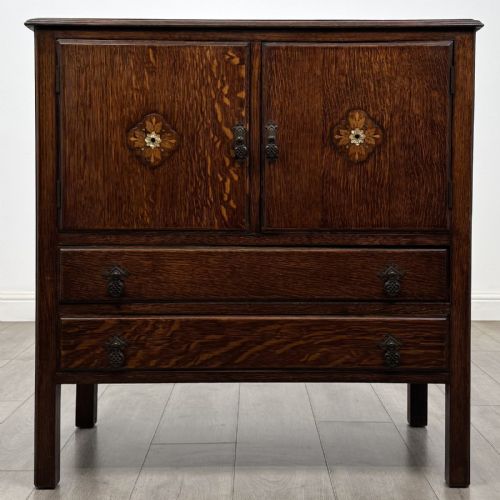
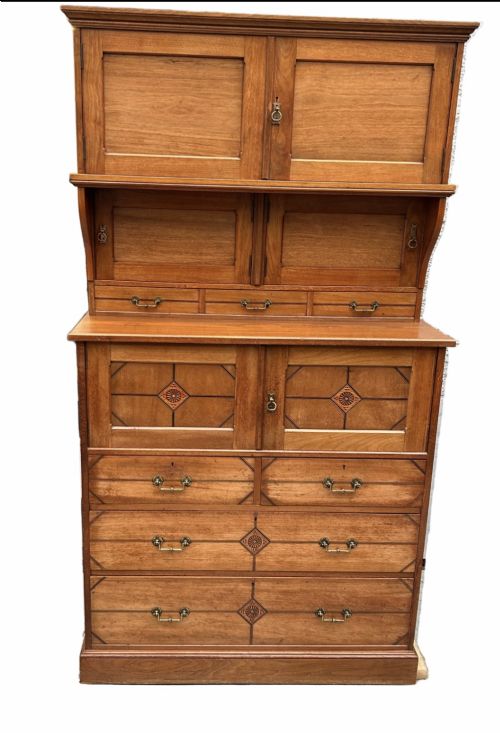
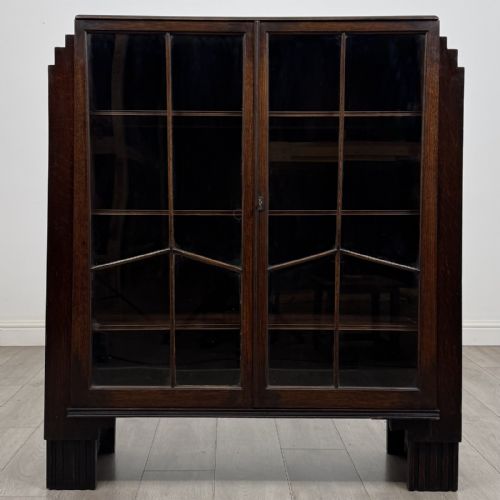
An oak wood cupboard brings the weight and honest grain of traditional timber into a room, offering deep storage built to last.
Oak Wood Cupboard
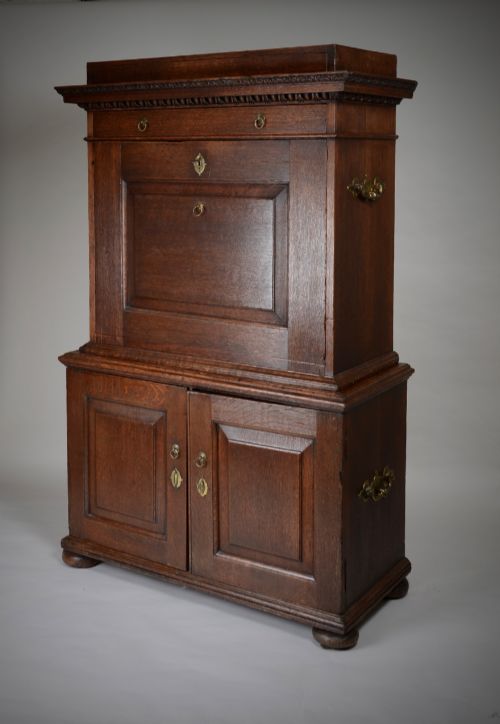
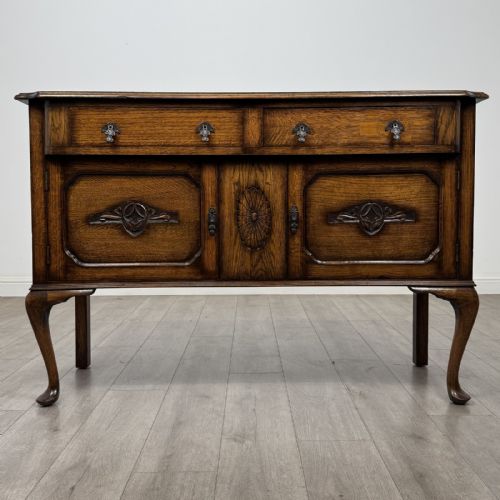
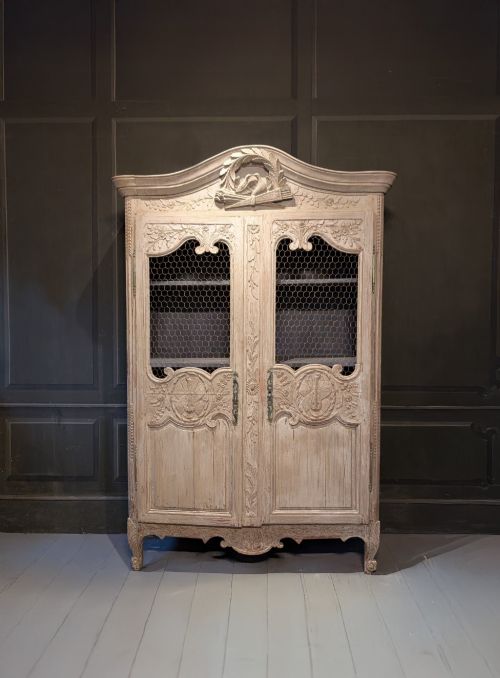
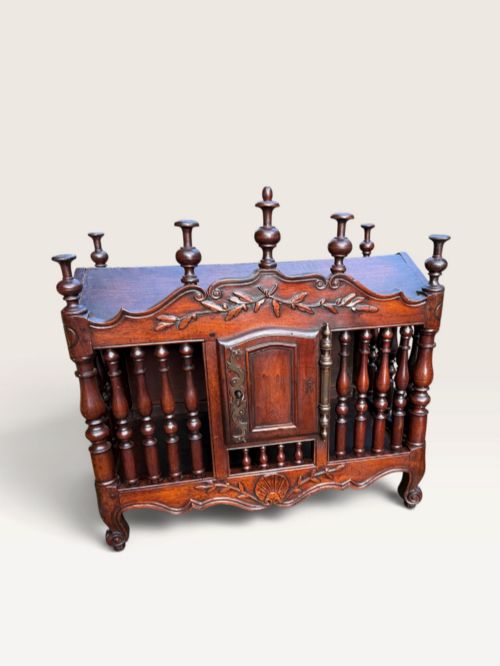
An oak wood cupboard spans utility and display, taking forms from corner cabinets and Welsh dressers to record storage and sideboards. These pieces range from Georgian and Victorian eras through Edwardian times to the 1930s, reflecting shifts in domestic storage needs.
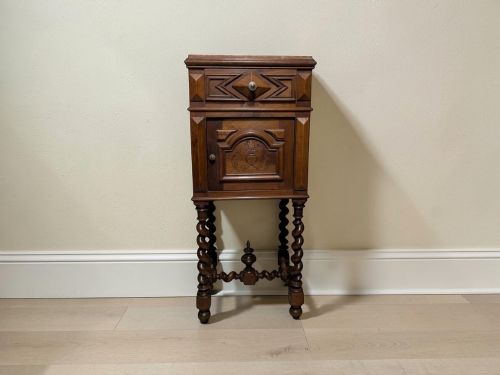
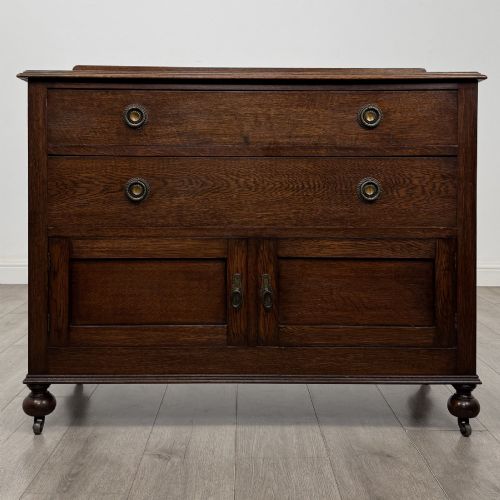
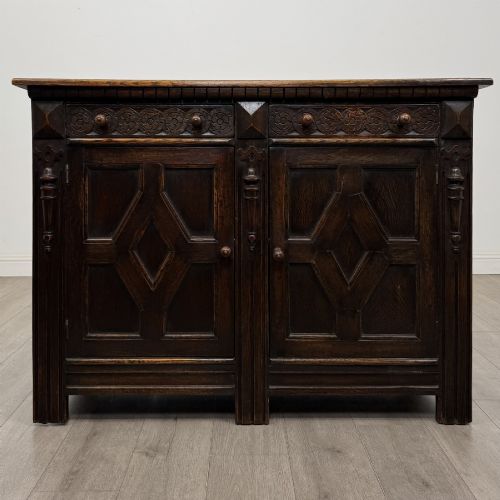
The most common examples on this page are Edwardian and 1920s cupboards, often finished with carved panels, glazed doors, or turned legs. Alongside these stand larger sideboards, display cabinets, and compact wall-hanging units.
Originating largely from British and European workshops, these items incorporate styles such as Jacobean Revival, Arts and Crafts, and Gothic Revival. Each version serves a distinct function, whether housing china, holding books, or organising records.
What varies in quality
The distinction between standard utility pieces and finer examples lies in the depth of hand-carving, the crispness of geometric panels, and the integrity of the timber selection. Superior items display careful grain matching and substantial brass or iron fittings.
Proportion and structural joinery also dictate standing, where well-balanced forms with original hardware and intact leaded or glazed doors hold greater architectural presence than heavily altered or plain functional boxes.
Oak Wood Cupboard Retail Price Guide 2026
Typical asking prices for oak wood cupboard among the pieces listed under this phrase on Sellingantiques today, from the lower quarter to the upper quarter. They describe what is for sale here now, not the wider market.
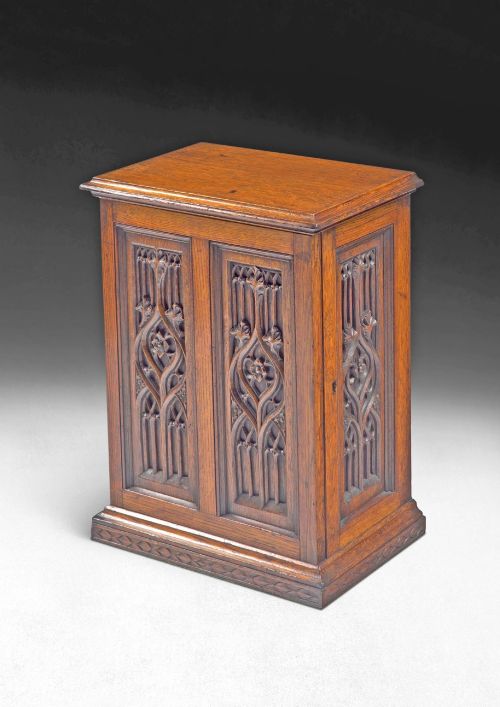
One tiny table-top cabinet survives from the 19th century, built purely to hold a collector's miniature treasures.
John Moyr Smith·GM Elwood for JS Henry
The Oak Wood Cupboard Glossary
- Welsh dresser
- A traditional kitchen or dining piece featuring lower cupboards or drawers topped by open plate racks for display. These units provide substantial storage and surface area.
- Leaded glass
- Small panes of glass held together by strips of lead, commonly seen in the doors of display cabinets and bookcase units. This technique creates geometric patterns across the frontage.
- Jacobean Revival
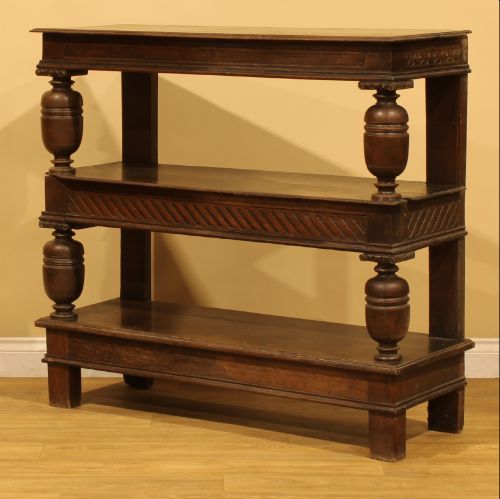
- A nineteenth and twentieth-century style imitating seventeenth-century British furniture design. It utilises heavy mouldings, geometric panels, and turned supports.
- Bracket feet
- Small architectural feet projecting outward to support the base of a cabinet or dresser. They elevate the body slightly off the floor.
- Pigeon holes
- Small open compartments fitted inside a bureau or cupboard interior for sorting letters and papers. These sections sit within the upper workspace.
Oak Wood Cupboard: Frequently Asked Questions
What periods do these cupboards cover?
The pieces span from the 17th century through the Georgian, Victorian, and Edwardian eras, extending into the 1920s and 1930s. Each period introduces specific decorative touches, from geometric panels to glazed display doors.
Later Edwardian and 1920s examples often feature revival styles, while 19th-century items present heavier carved elements and distinctive regional formats like Welsh dressers.
How were these cabinets originally used?
These cupboards served varied domestic roles, from storing table linen and china to housing books, vinyl records, and collectors' items. Sideboards organised dining rooms, while wall-hanging units saved floor space in smaller rooms.
Specialised pieces like record cabinets and bureau cupboards highlight how storage evolved to accommodate changing household pastimes and administrative tasks.
How do I care for oak wood furniture?
Maintain the timber by keeping it away from direct heat sources and sudden humidity changes, which can cause the solid oak to warp or split. Regular dusting with a dry, soft cloth preserves the finish.
Applying a traditional beeswax occasionally helps nourish the grain without building up heavy chemical layers. Check brass and iron hardware periodically to ensure hinges and pulls remain secure.
What styles appear most frequently?
Jacobean Revival, Arts and Crafts, and Gothic Revival styles dominate the decorative woodwork across these listings. Edwardian utility and Georgian proportions also recur in numerous sideboards and dressers.
These aesthetic movements dictate the surface ornamentation, ranging from arched alcoves and barley twist legs to ebonised details and plain paneled doors.