


Oak Wood Bookshelf
An oak wood bookshelf brings warmth and sturdy utility to a room, holding volumes in timeless style.
Oak Wood Bookshelf
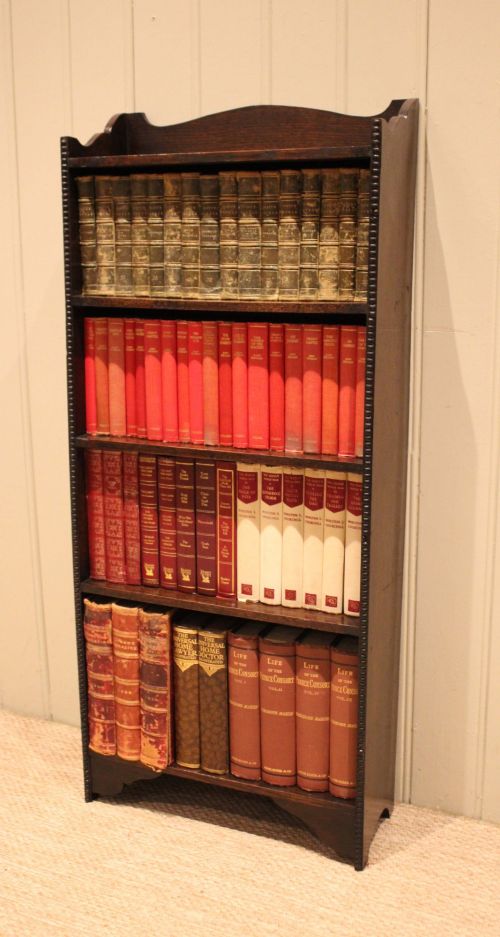
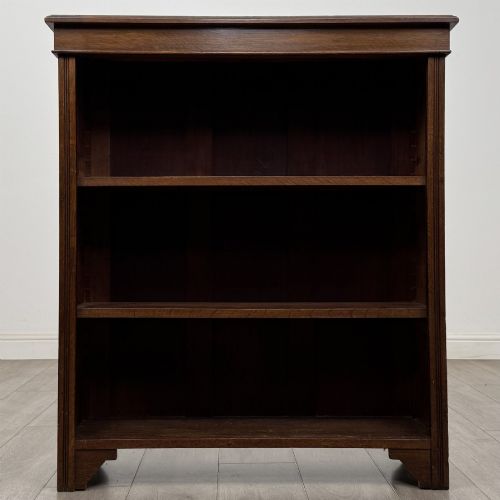
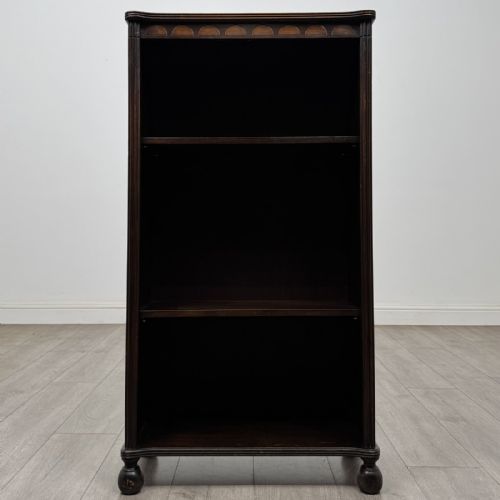
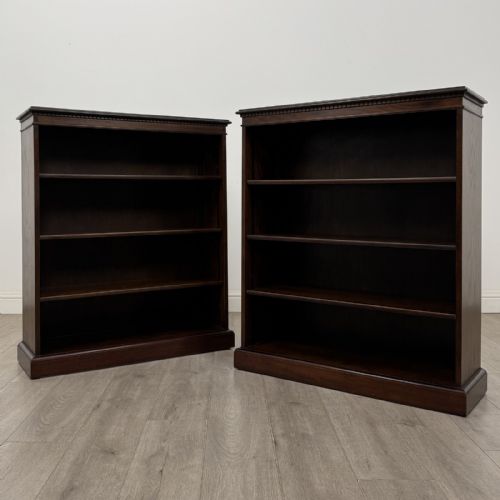
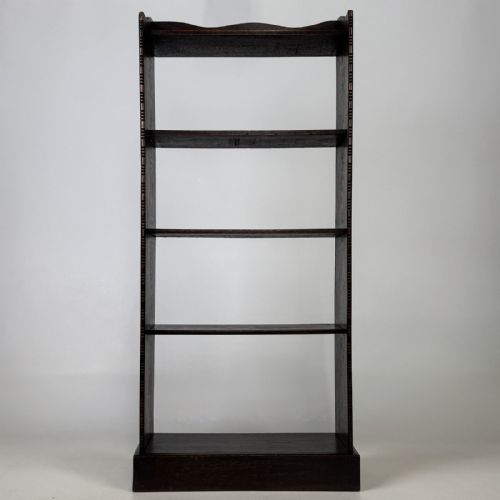
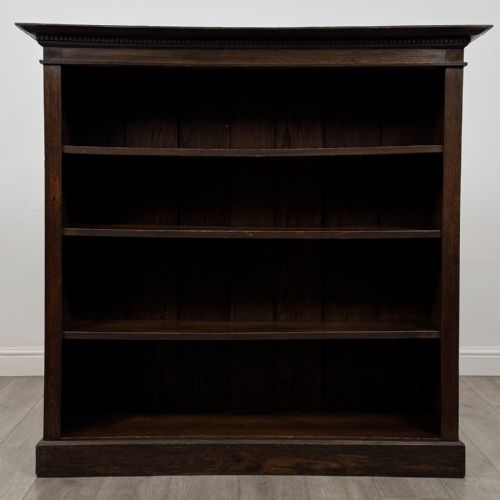
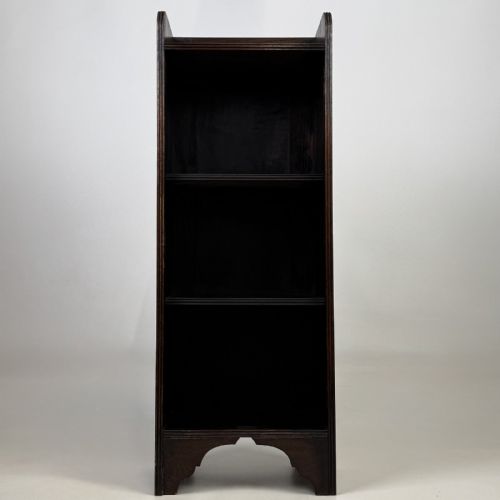
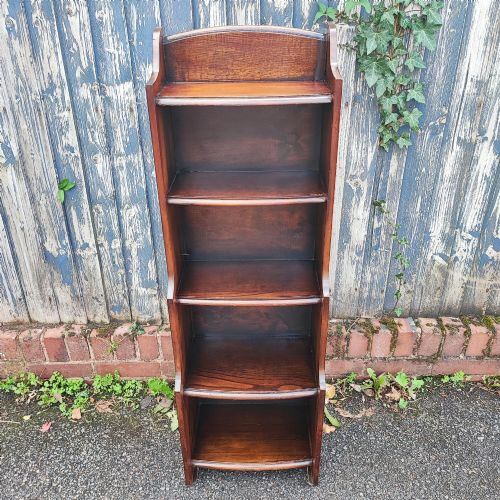
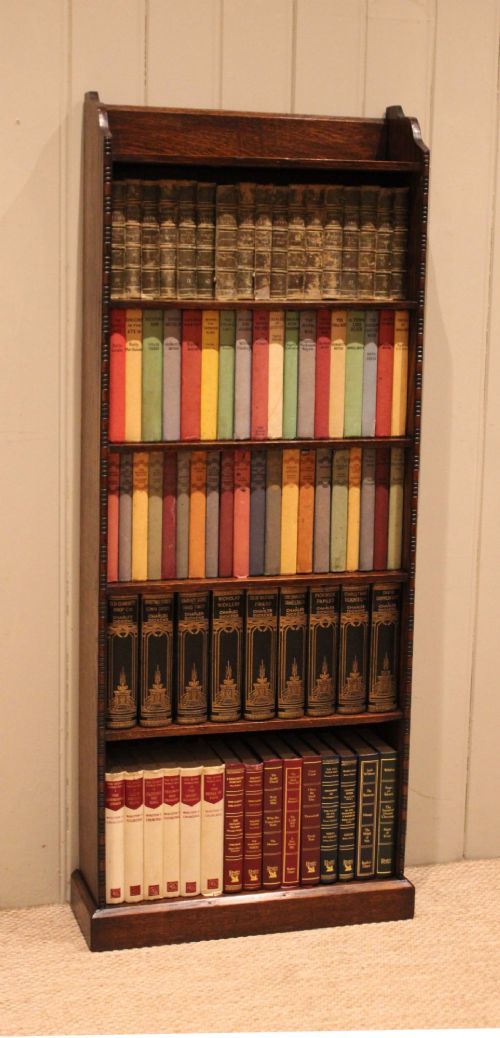
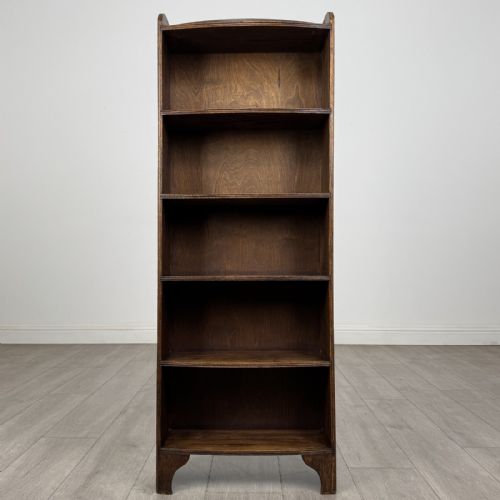
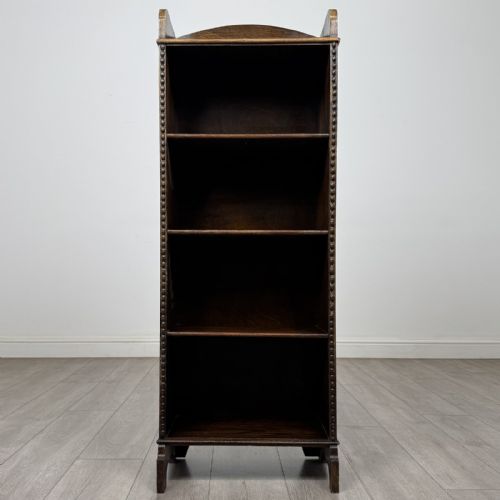
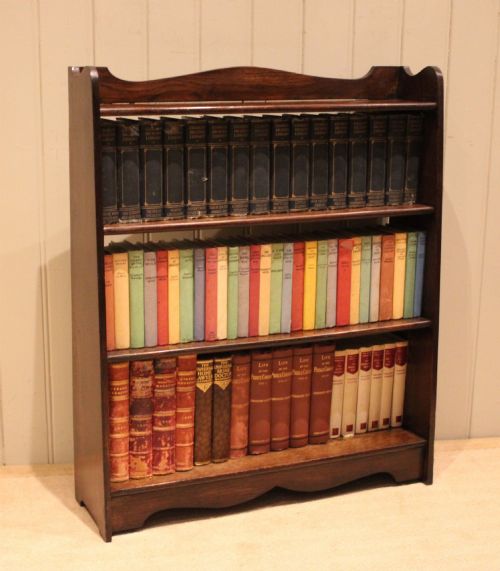
An oak wood bookshelf on this page typically takes the form of an open bookcase, standing tall, narrow, or low against a wall. These items emerge from various periods including the Victorian era, the Edwardian years, and the 1920s.
Makers shaped these pieces for practical home libraries and studies, frequently incorporating open shelves, galleries, and moulded edges. Buyers encounter traditional upright shelving units alongside revolving designs and desktop variants.
The domestic interior of the nineteenth and early twentieth centuries demanded robust timber furniture to house growing collections of books. Consequently, survivors from this span reflect both utilitarian needs and period aesthetic preferences.
Assessing Quality
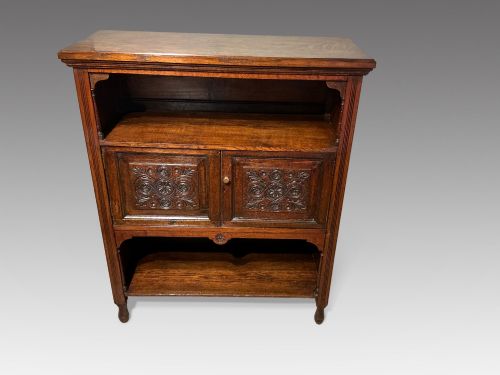
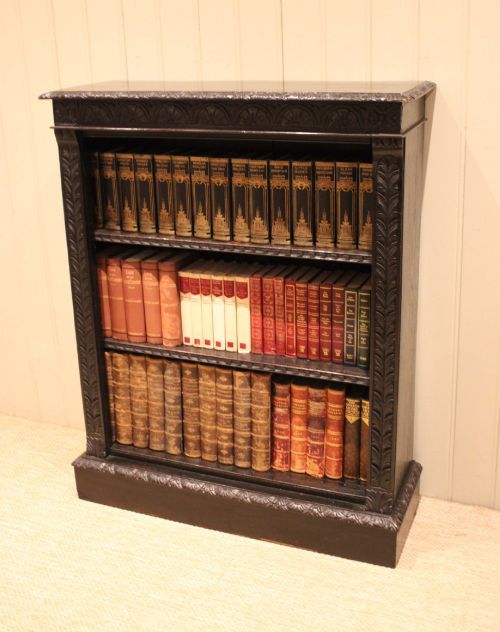
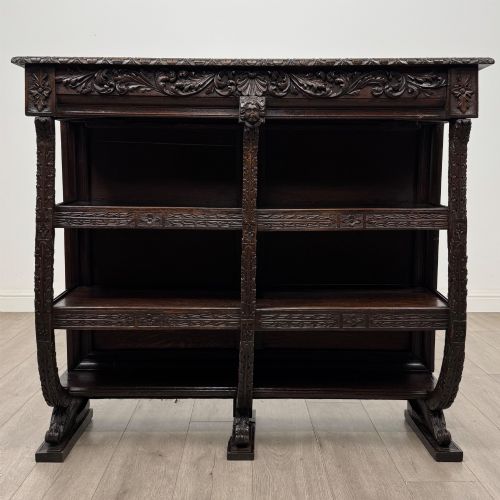
The distinction between standard utility items and superior examples rests upon the depth of carved ornamentation and the architectural ambition of the cornice or gallery. Pieces featuring hand-carved motifs, such as green man designs, display greater artisanal investment.
Proportion and timber selection dictate overall refinement, with well-figured oak and balanced dimensions marking out the finer specimens from simpler workshop output. Adjustable shelving mechanisms and clever revolving mechanisms further elevate a piece's utility and design merit.
Oak Wood Bookshelf Retail Price Guide 2026
Typical asking prices for oak wood bookshelf among the pieces listed under this phrase on Sellingantiques today, from the lower quarter to the upper quarter. They describe what is for sale here now, not the wider market.
The furniture forms range from narrow open bookcases and revolving stands to wall shelves and display units.
Ercol·Betty Joel
The Oak Wood Bookshelf Glossary
- Dentil cornice
- A decorative horizontal projection featuring a series of small, evenly spaced rectangular blocks resembling teeth. This architectural detail frequently crowns Edwardian and Victorian bookcases.
- Pollard oak
- Timber taken from trees that were cut back to promote a dense head of branches, producing a distinctive, highly figured grain pattern. Cabinet makers used this wood for decorative veneer and panel surfaces.
- Revolving bookcase
- A freestanding shelving unit mounted on a rotating spindle or base allowing access to books from multiple angles. These clever pieces became popular for desktop and floor placement around nineteen hundred.
- Raised gallery
- A low decorative railing or enclosing border situated on the top surface of a piece of furniture. It prevents items from sliding off and adds vertical definition to the silhouette.
- Ebonised oak
- Timber treated with a chemical stain or finish to imitate expensive ebony wood. This dark, light-absorbing surface gained favour during the nineteenth century for dramatic contrast.
Oak Wood Bookshelf: Frequently Asked Questions
How do I date an oak bookcase?
Dating relies upon observing stylistic clues such as cornices, hardware, and carving styles. Victorian and Edwardian examples often display distinct decorative traits tied to their specific decades of manufacture.
Examining construction techniques and timber preparation helps narrow down whether a piece originates from the nineteenth century or the interwar period.
Are these shelves adjustable?
Many period bookcases feature adjustable shelving systems utilising wooden ratchets or metal pins. This allowed owners to alter shelf heights to accommodate volumes of various sizes.
Simpler utilitarian models frequently possess fixed shelves secured directly into the vertical gable boards.
How do I care for antique oak?
Maintaining oak furniture involves keeping pieces away from direct sunlight and sudden temperature shifts that can dry the timber. Regular dusting with a soft, dry cloth preserves the polished surface.
Applying quality wax occasionally feeds the wood and protects the historic finish without building up heavy residues.
What is an open bookcase?
An open bookcase is a freestanding or wall-mounted shelving unit without doors enclosing the front compartment. This design provides immediate visibility and straightforward access to stored book collections.
Victorian and Edwardian versions often incorporated decorative galleries or carved pediments along the top edge.