





Oak Wine Bucket
An oak wine bucket brings heavy timber and gleaming metal into a room, serving as a robust centrepiece for chilling bottles.
Oak Wine Bucket
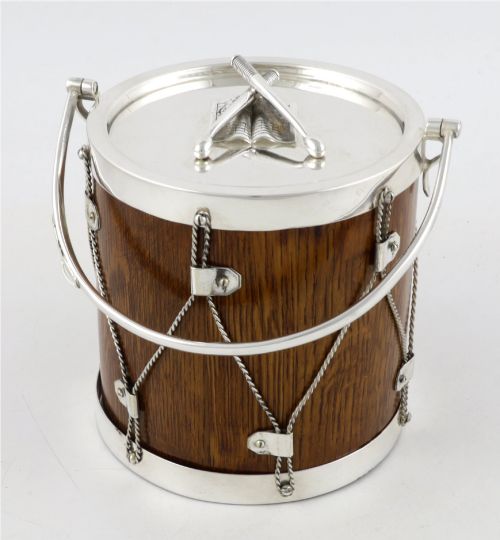
An oak wine bucket is a solid wooden vessel, often shaped like a miniature barrel, used historically for cooling bottles and holding ice. When you search for an oak wine bucket, you encounter pieces that range from plain nineteenth century utilitarian containers to decorative Edwardian examples.
The pieces on this page appear in various forms, including coopered barrels, ice buckets with silver plated mounts, and jardiniere stands adapted for the dining table. Many originate from English and Dutch workshops, spanning the Victorian period, the Edwardian era, and the nineteen twenties.
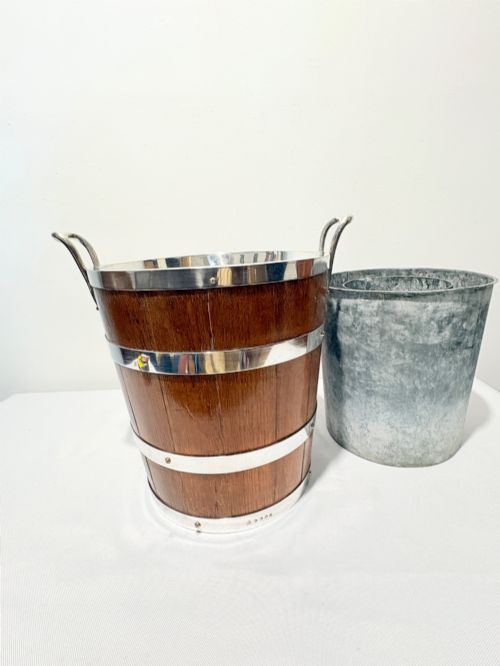
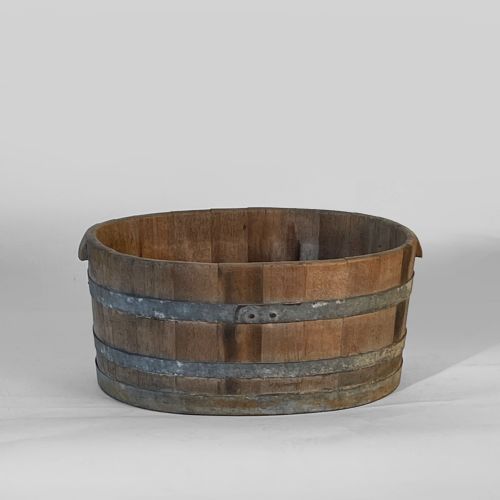
Makers and craftsmen built these items to withstand heavy domestic use, employing waterproof linings of zinc, copper, or ceramic creamware. Alongside traditional wine coolers, related forms like oyster buckets and washing tubs share the same stave construction and metal banding.
Materials and construction
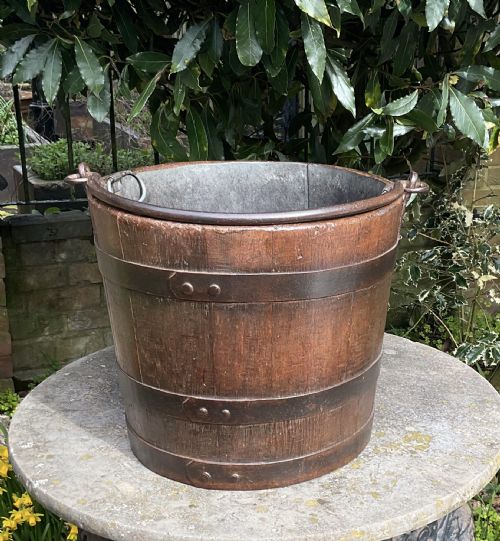
Makers constructed these vessels using oak staves held tightly together by bands of brass, iron, or copper. This traditional cooperage technique ensures the wood remains stable even when the interior holds melting ice and liquid.
Internal liners of zinc, copper, or creamware protected the wooden staves from damp and rot. Metal mounts, handles, and swing bails in brass or silver plate completed the structure, fastened securely through the wood.
Oak Wine Bucket Retail Price Guide 2026
Typical asking prices for oak wine bucket among the pieces listed under this phrase on Sellingantiques today, from the lower quarter to the upper quarter. They describe what is for sale here now, not the wider market.
One unusual nineteenth century treen container likely spent its days collecting the dregs left behind in wine glasses.
Indicators of quality
Quality rests in the tightness of the cooperage work and the thickness of the oak staves. Superior vessels exhibit precise joints between each wooden piece and heavy gauge metal bands that sit flush against the timber.
The presence of original internal liners and hallmarked silver plate elevates a piece significantly. Better examples retain their matching handles and retainers without replacement parts or structural movement in the timber.
Lister and Co
The Oak Wine Bucket Glossary
- Coopered
- Built from curved wooden staves bound together with metal hoops, much like a traditional barrel. This method provides the structural strength required for holding liquids and ice.
- Stave
- One of the narrow vertical strips of oak that form the curved sides of the bucket. The tapering of each stave determines the final barrel profile.
- Silver Plate
- A thin layer of silver fused to a base metal, frequently used on the rims, handles, and mounts of wine coolers. It offers the appearance of solid silver with greater durability.
- Creamware
- A fine light-coloured earthenware developed in the eighteenth century, used here for internal ceramic liners. It provides a clean, impermeable surface inside the wooden vessel.
- Bail handle
- A semi-circular pivoting handle attached to opposite sides of the bucket. This allows for balanced lifting when the vessel is filled with ice and bottles.
Oak Wine Bucket: Frequently Asked Questions
How were oak wine buckets used?
These vessels were filled with ice or cold water to chill wine and champagne bottles during formal dining. Servants brought them to the table or kept them on sideboards for easy access throughout the meal.
Over time, many of these containers found secondary lives as planters, jardiniere stands, or general decorative storage in country houses. Their waterproof liners made them practical for holding potted plants without damaging household surfaces.
Can I still use an antique wine bucket for ice?
Most pieces retain their original metal or ceramic liners, which allow them to hold ice and bottles safely. You should check that the lining remains intact and watertight before filling it.
Wooden staves can dry out and shrink if left in overly heated rooms, so occasional use helps maintain the wood's natural moisture balance. Avoid soaking the exterior wood during cleaning.
How do I clean an oak wine bucket?
Wipe the wooden exterior with a damp cloth and dry it immediately to protect the finish. Avoid harsh chemical cleaners that strip the natural oils from the oak.
Polish brass or silver plated mounts gently with a suitable cloth to prevent damage to the surrounding timber. Clean the interior liner separately according to its material, whether copper, zinc, or ceramic.
What is the difference between an ice bucket and a jardiniere?
Ice buckets generally feature sturdy bail handles for carrying and tighter internal construction designed to retain cold water. They often include silver plated rims and wine-related ornamentation.
Jardinieres and planters are typically designed to remain stationary on stands or tables to display growing plants. While construction methods overlap significantly, their intended placement dictates the presence of handles and base trays.
How do I date an oak wine bucket?
Dating relies on the style of the metal mounts, the type of internal liner, and construction details like machine-cut versus hand-cut wood. Edwardian and later pieces often incorporate brighter brass work and specific maker plaques.
Nineteenth-century examples tend to display heavier hand-coopered staves and darker patination on the oak. Comparing the hardware styles to known periods like the Arts and Crafts movement helps narrow down the decade.