
Oak Tiered Table
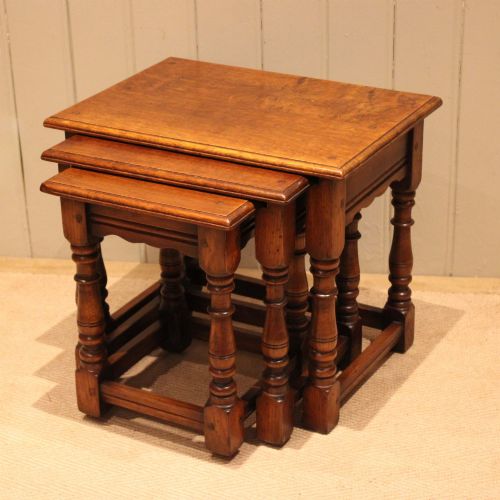
An oak tiered table brings multi-level surface utility to a room, offering practical stacking in traditional timber.
Oak Tiered Table
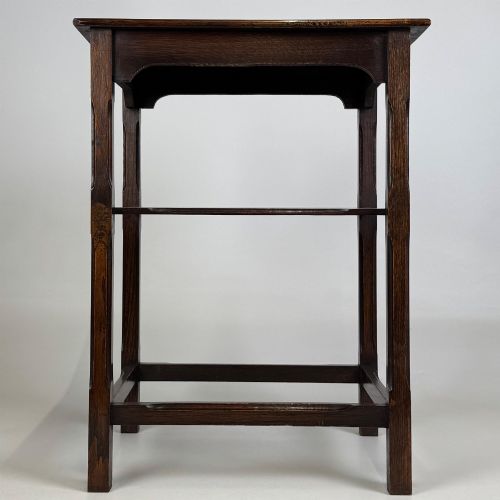
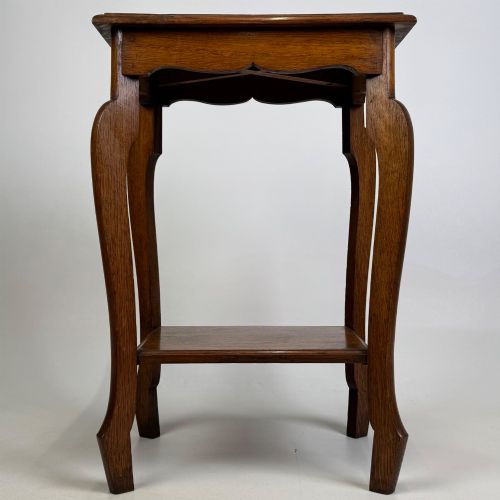
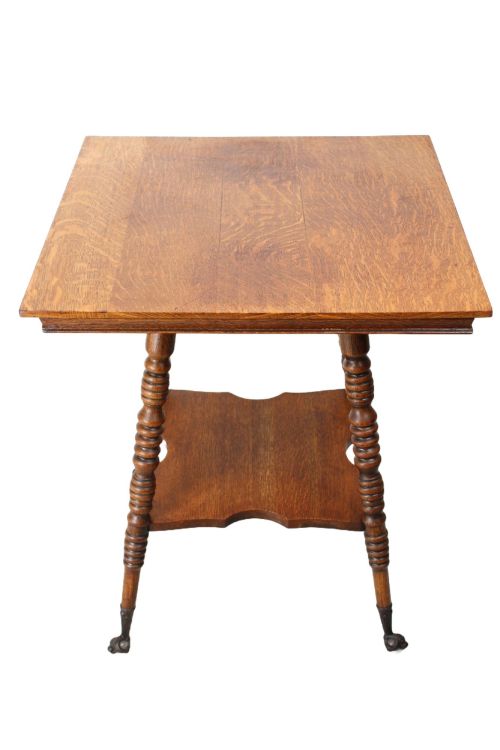
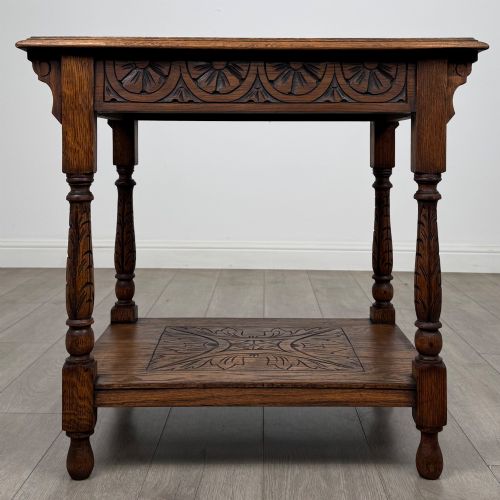
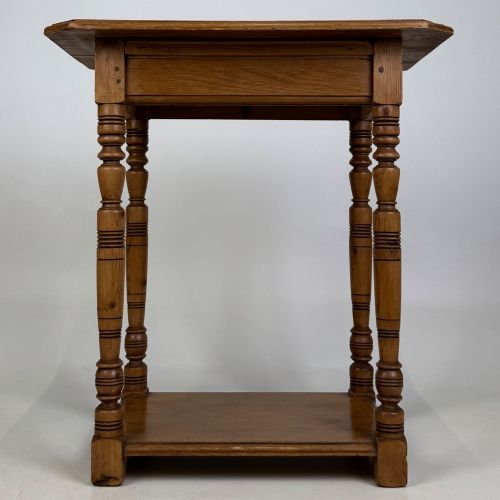
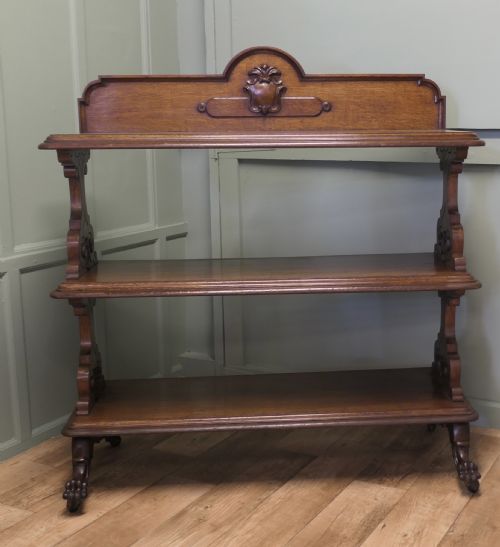
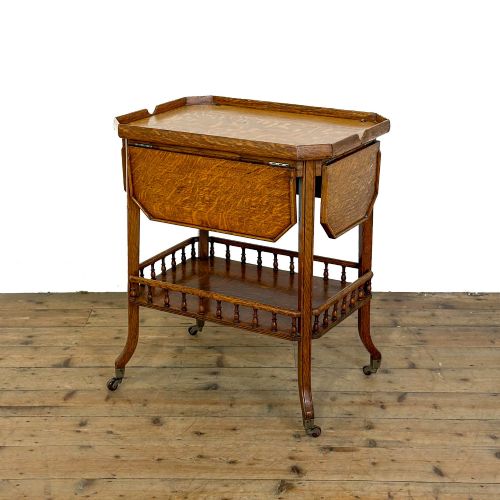
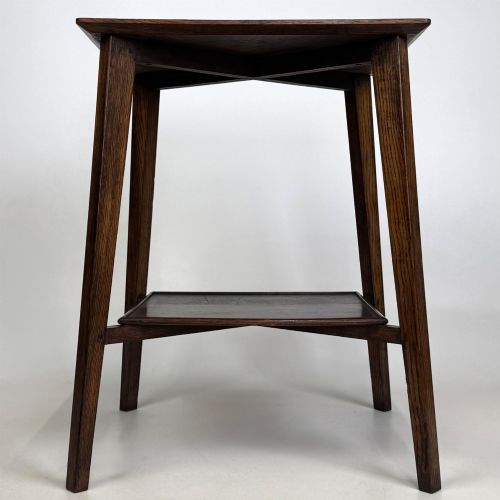
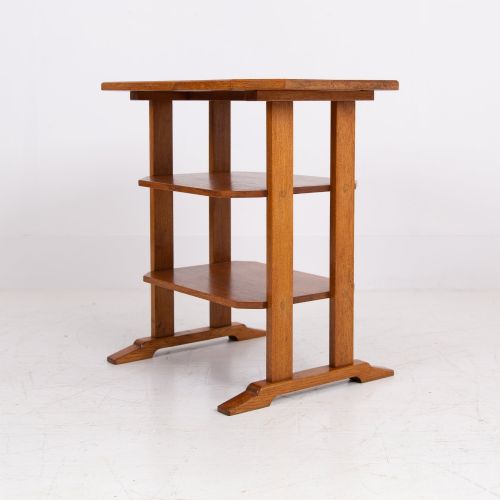
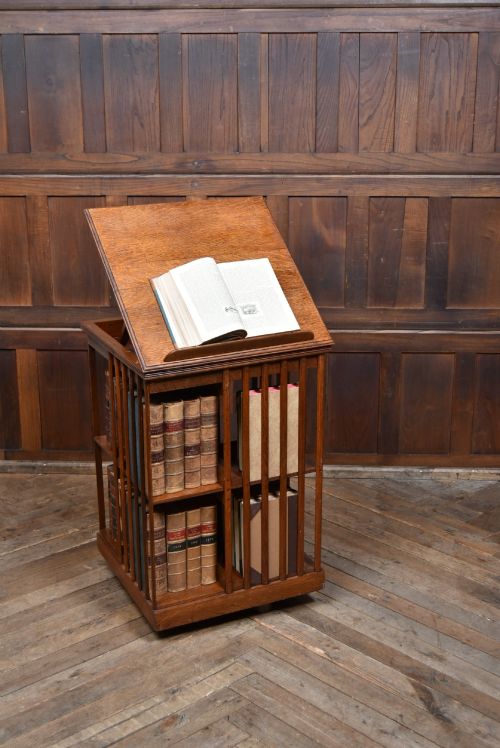
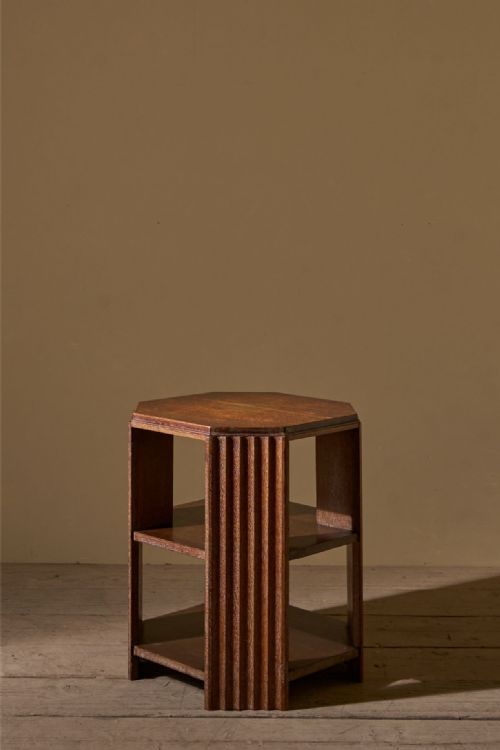
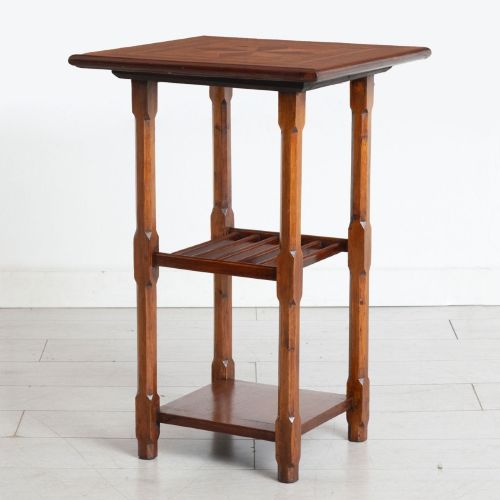
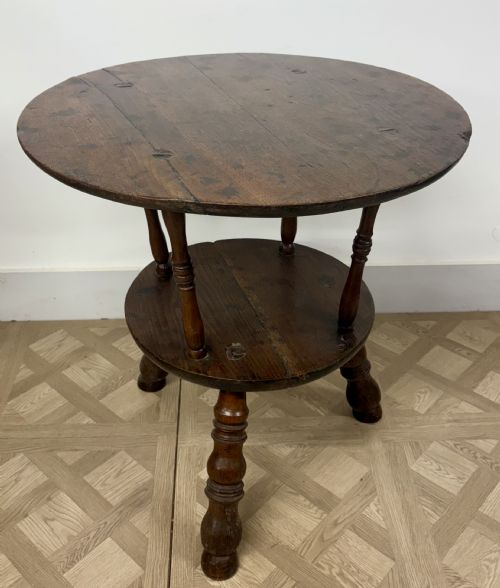
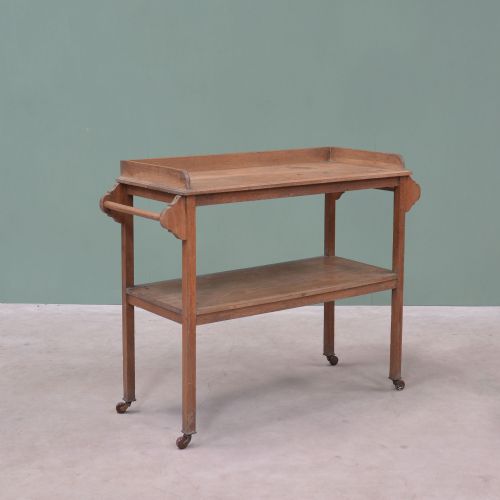
When you search for an oak tiered table, you encounter pieces designed with multiple horizontal surfaces for serving, display, or storage. These multi-level pieces appear predominantly in Edwardian, Victorian, and Arts and Crafts guises, reflecting a period from the late nineteenth century into the early twentieth century.
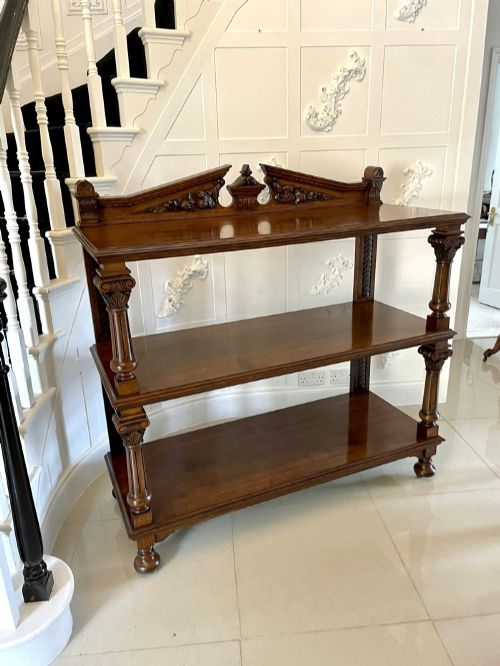
The common iterations span tea trolleys, occasional tables, and smaller plant stands or dumbwaiters rather than a single fixed archetype. Many examples incorporate two or three tiers connected by upright supports, utilising solid oak, pollard oak, or golden oak to create functional multi-deck furniture.
Materials and construction
Construction relies heavily on solid oak, frequently paired with secondary timbers or accents of brass, metal, and iron for hardware, castors, and structural supports. Joinery methods range from simple pegged construction in vernacular pieces to more intricate carving seen in stylistic revivals.
Surface treatments vary from polished golden oak to limed finishes and carved detailing, sometimes integrating decorative elements like ceramic tiles or inlaid panels. Makers utilised both quarter-sawn timber to display medullary rays and plain-sawn boards depending on the desired aesthetic and period style.
Listings feature oak tiered tables across Victorian, Edwardian, and Arts and Crafts periods, incorporating materials such as brass, iron, and pollard oak.
Build and design merit
Quality separates pieces through the selection of timber and the integrity of the joinery connecting the multiple tiers. Dense, figured grain and thoughtful proportioning elevate certain items above standard utilitarian furniture of the same era.
The refinement of carved ornament, the stability of upright supports across multiple shelves, and the presence of original brass castors or hardware distinguish finer workshop productions from mass-produced items.
Liberty of London·William Birch
The Oak Tiered Table Glossary
- Tiered table
- A multi-level furniture piece featuring two or more horizontal surfaces arranged vertically for display or service. This form encompasses tea trolleys, side tables, and dumbwaiters.
- Arts and Crafts
- A design movement spanning the late nineteenth and early twentieth centuries emphasising handcraftsmanship, simple forms, and honest expression of materials. Pieces from this context often display exposed joinery or carved detailing.
- Pollard oak
- Timber taken from trees that have been pollarded, producing a heavily figured burl-like grain pattern used for decorative veneer and surface panels. It provides distinctive visual movement on tabletops and cabinet doors.
- Dumbwaiter
- A multi-tiered serving table or stand used historically to hold food and utensils without requiring constant servant attendance. These pieces typically feature graduated circular or rectangular shelves.
- Etagere
- A piece of furniture consisting of a set of open shelves for displaying small objects or ornaments. The term applies to multi-tiered stands intended primarily for decorative display rather than heavy service.
Oak Tiered Table: Frequently Asked Questions
What is an oak tiered table used for?
These pieces serve multiple domestic functions, historically acting as tea trolleys, side tables, or display stands for plants and decorative objects. The stacked format multiplies surface area without demanding extra floor space.
In modern rooms, they work well beside seating areas or in hallways where additional display space is required for books, lamps, or ceramics.
How do I date an oak tiered table?
Dating relies on observing stylistic markers, hardware, and construction methods associated with periods like the Victorian era, Edwardian period, or the Arts and Crafts movement. Simple vernacular pieces can be harder to pin down precisely than marked workshop productions.
Examine the type of castors, the finish of the timber, and any carved motifs to establish whether a piece originates from the late nineteenth century or the early twentieth century.
Are these tables solid oak?
Many examples are constructed from solid oak or feature prominent oak veneers over secondary timbers, particularly on larger surfaces like buffet tops. Timber selection varies according to the workshop and the specific period style.
Looking underneath the tiers or examining edge grain reveals whether the surface uses solid boards or applied veneer over a core panel.
How do I incorporate one into my interior?
An oak tiered table integrates easily into traditional and contemporary schemes by providing vertical interest and practical surface storage. Their compact footprints make them suitable for smaller corners or beside low armchairs.
Use the separate tiers to balance heavy objects on the lower shelves with lighter items on top to maintain visual stability.