





Oak Tiered Server
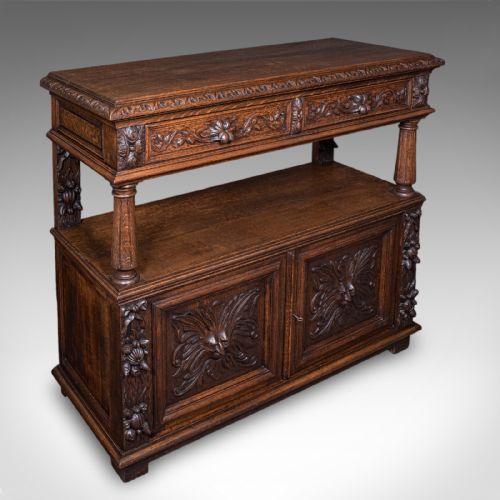
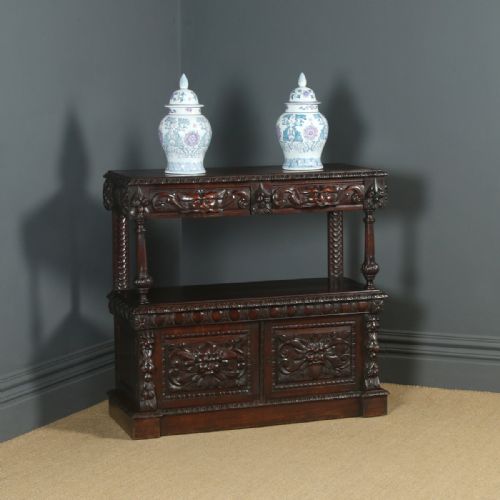
An oak tiered server brings functional multi-level display and serving space to a room, drawing on robust 19th-century cabinet-making traditions.
Oak Tiered Server
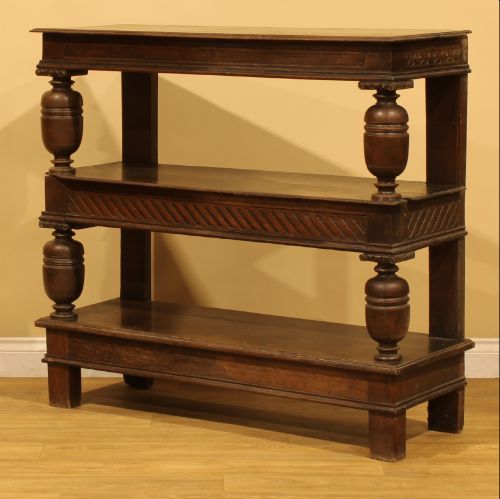
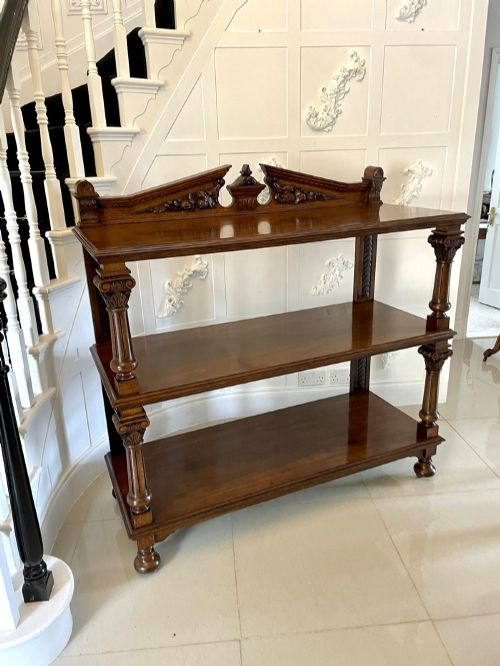
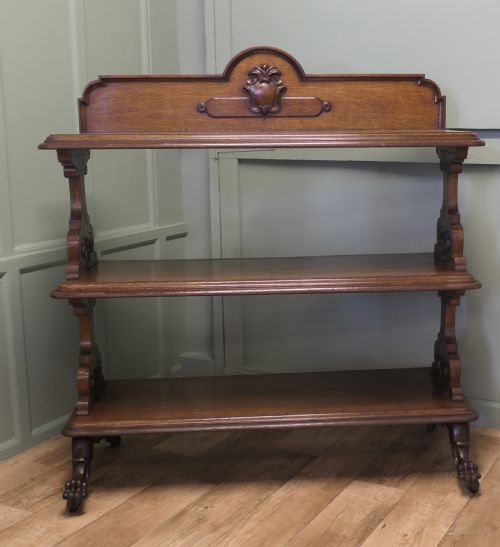
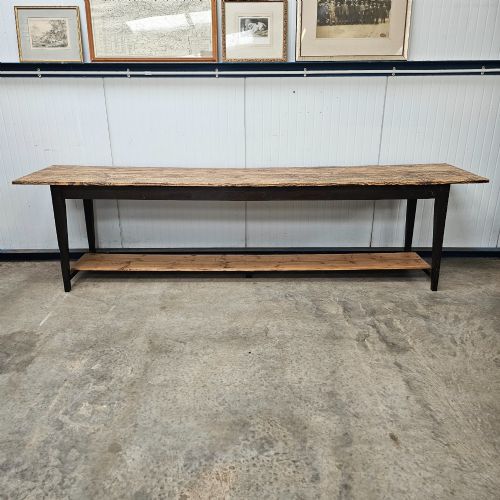
When searching for an oak tiered server, a buyer explores multi-level serving furniture designed for dining and display, predominantly appearing here in Victorian and 19th-century forms. These pieces bridge the gap between heavy sideboards and mobile dumb waiters, utilising multiple shelves or tiers to maximise surface area.
Many examples reflect specific aesthetic movements of the period, particularly Gothic Revival and Arts and Crafts styles, whilst others adhere to plainer rustic farmhouse traditions. This variety ensures that each tier serves a distinct structural and decorative purpose within the overall furniture design.
Materials and construction methods
Construction relies heavily on solid oak and figured pollard oak timbers, occasionally supported by secondary woods such as pine and complemented by brass hardware. Cabinet-makers selected these materials for their durability and distinctive grain patterns, which responded well to deep carving and turning.
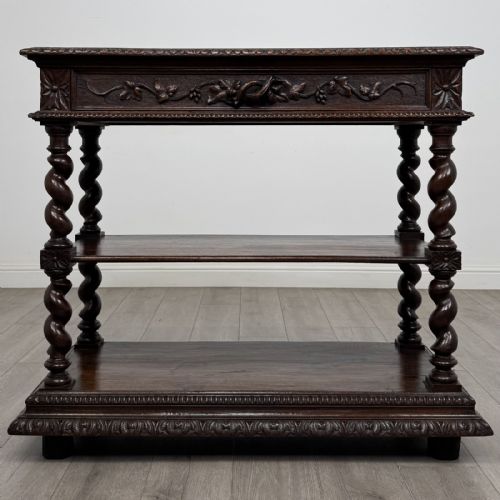
Joinery techniques from the period involved robust framing, mortise and tenon joints, and structural pegging to bear the weight of stacked tiers and heavy serving pieces. Turned elements like barley twist columns and applied carvings required skilled hand-chiselling to achieve the dense ornamentation seen across Victorian and Gothic Revival examples.
Oak Tiered Server Retail Price Guide 2026
Typical asking prices for oak tiered server among the pieces listed under this phrase on Sellingantiques today, from the lower quarter to the upper quarter. They describe what is for sale here now, not the wider market.
Listings feature 19th-century pieces spanning styles from Gothic Revival and Arts and Crafts to rustic farmhouse.
Assessing craftsmanship and condition
Quality in an oak tiered server rests upon the crispness of the hand-carved detail, the selection of figured timber veneers like pollard oak, and the structural integrity of the multi-level supports. Superior pieces display deeply articulated motifs, such as Green Man carvings or Gothic tracery, executed without mechanical shortcuts.
The thickness of the oak boards, the stability of the tiered shelves under load, and the integration of original brass fittings further distinguish finer examples from standard utility pieces. A well-preserved original finish and tight, squeak-free joints indicate superior workshop origin and careful historical maintenance.
The Oak Tiered Server Glossary
- Tiered server
- A multi-level piece of furniture designed for holding dishes, food, or decorative objects across distinct horizontal surfaces. It provides vertical storage and display capacity.
- Pollard oak
- Timber taken from trees that have been pollarded, producing a richly figured, burr-like grain highly prized for decorative furniture panels. Cabinet-makers used it to create striking visual contrast on drawer fronts and cabinet doors.
- Dumb waiter
- A multi-tiered moveable or stationary serving table designed to hold food and tableware without requiring servant attendance during meals. They appear frequently in 19th-century dining contexts.
- Barley twist
- A carved wooden column or support resembling the shape of a twisted rope or barley stalk. This decorative turning technique gained immense popularity during the 19th century.
- Gothic Revival
- An architectural and decorative style drawing inspiration from medieval forms, featuring pointed arches, tracery, and heavy carved ornamentation. It heavily influenced Victorian furniture design.
Oak Tiered Server: Frequently Asked Questions
What is an oak tiered server used for?
These pieces functioned historically as auxiliary serving stations in dining rooms, holding dishes, silverware, and glassware during large meals. Today, they serve equally well as display units for collections or as practical sideboards in modern living spaces.
Their multiple levels allow for organised placement of items without cluttering the main surface, making them adaptable for both decorative display and everyday utility.
How do I care for antique oak furniture?
Maintain oak tiered servers by keeping them away from direct heat sources and strong sunlight, which can dry out the timber and crack polished surfaces. Regular dusting with a soft, dry cloth is usually sufficient for daily maintenance.
Periodically feeding the wood with an appropriate wax helps preserve the moisture and natural lustre of the antique finish without building up heavy residue.
How can I tell a Victorian server from an earlier piece?
Victorian pieces often feature denser, more eclectic carving styles such as Gothic Revival or heavy floral motifs, alongside machine-sawn elements mixed with hand craftsmanship. The use of pollard oak veneers and robust barley twist turnings also points strongly toward the 19th-century manufacturing boom.
Examining the construction methods underneath and behind the tiers reveals tool marks and joint types characteristic of mid to late 19th-century cabinet workshops.
Where should I place a tiered server in my home?
A tiered server works best against a solid wall in a dining room, hallway, or spacious living area where its vertical proportions can be fully appreciated. Ensure there is enough clearance around the lower and upper shelves for easy access to items.
Because many examples feature finished backs or architectural carving on all sides, certain models can also function effectively as room dividers or console tables.