




Oak Retail Showcase
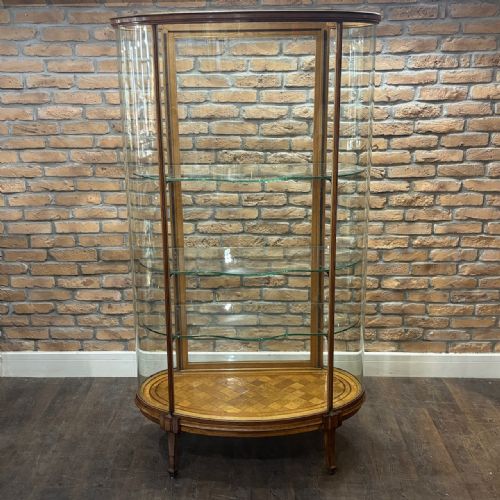
An oak retail showcase offers absolute visibility for goods, built with sturdy timber framing to protect wares while drawing the eye.
Oak Retail Showcase
An oak retail showcase appears across several eras, ranging from Victorian and Edwardian examples to 1930s commercial pieces. Buyers hunting for an oak retail showcase usually encounter sturdy display cabinets and haberdashery counters designed for commercial or museum use.
These items bring robust display space into domestic or retail interiors. The surviving examples rely heavily on Edwardian and early 20th century commercial designs in the current selection.
Forms vary from large floor-standing shop counters to compact countertop display cabinets. Each piece reflects the functional requirements of past shopkeepers who needed to present wares securely.
Materials and construction
The primary construction relies on solid oak frames combined with extensive glass panels to maximise visibility. Brass and chrome hardware frequently appears on handles, hinges, and framing details.
Interiors often utilise wood or incorporate velvet linings to cushion displayed items. These combined materials ensure the structural integrity required for heavy daily commercial use.
Oak Retail Showcase Retail Price Guide 2026
Typical asking prices for oak retail showcase among the pieces listed under this phrase on Sellingantiques today, from the lower quarter to the upper quarter. They describe what is for sale here now, not the wider market.
The inventory includes countertop display cabinets and large shop counters from the nineteenth and early twentieth centuries.
Assessing quality
Quality rests upon the proportion of timber to glass and the integration of metal accents like chrome or brass. Superior examples exhibit precise joinery in the oak frame and undamaged original glass panes.
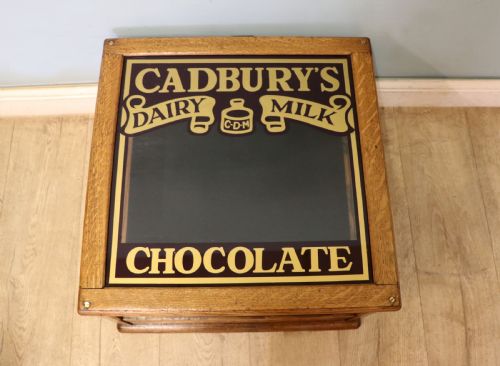
The sophistication of the commercial hardware and the presence of period maker details elevate certain pieces above standard utility grade. Later modifications, such as chocolate sign-writing, alter the character of individual cabinets.
F Sage And Co·Dudley And Co
The Oak Retail Showcase Glossary
- Haberdashery counter
- A long shop counter featuring multiple glass sections or drawers designed to display small dry goods and textiles. These units allow customers to view stock directly from above or through glazed fronts.
- Countertop display cabinet
- A smaller glazed showcase built to sit upon a larger shop counter for high-value or impulse items. They frequently feature hinged or sliding rear doors for easy access by the shopkeeper.
- Display cabinet
- A freestanding piece of furniture enclosed largely by glass to exhibit wares while protecting them from dust and handling. These items range from museum display cases to general retail shop fittings.
- Shop fitting
- Furniture and fixtures specifically constructed for commercial interiors rather than domestic spaces. These elements prioritise durability and maximum product visibility.
Oak Retail Showcase: Frequently Asked Questions
What is an oak retail showcase used for?
These cabinets were originally manufactured for shops and museums to display merchandise securely while keeping items visible to customers.
Today, collectors utilise them in domestic settings to exhibit collections, small antiques, or curated objects.
How do I date an oak showcase?
Dating relies on stylistic clues, construction methods, and materials such as the transition from brass hardware to chrome details in later decades.
Reference points include Victorian, Edwardian, and 1930s commercial design characteristics seen in the framing and glass.
Are these cabinets suitable for home use?
Their substantial oak frames and glass panels make them practical for everyday display in modern residential spaces.
Countertop models fit easily onto existing furniture, whereas larger floor-standing counters function well as standalone statement pieces.
What styles are available?
The available selection spans Victorian, Edwardian, Art Deco, and French 19th-century commercial aesthetics.
Each style reflects the prevailing retail design trends of its period, from simple utility frames to decorative display cases.