




Oak Peat Bucket
An oak peat bucket is a sturdy fireside essential built to hold fuel, offering tactile warmth and historic utility to any hearth.
Oak Peat Bucket
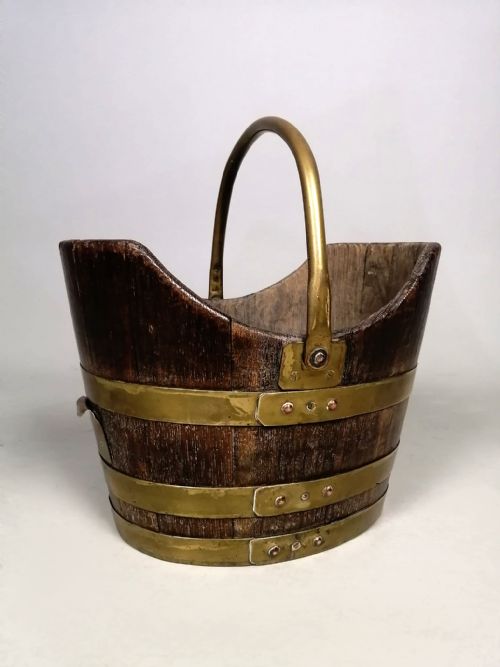
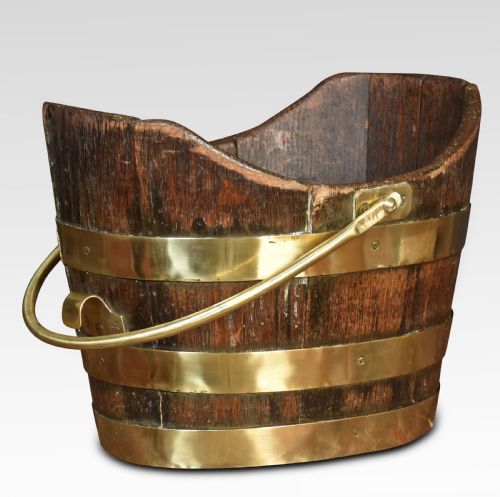
An oak peat bucket serves as a traditional hearthside vessel designed originally for storing peat, coal, or logs beside the fire. When you search for an oak peat bucket, you encounter pieces that range from Georgian constructions to later Victorian and Edwardian examples.
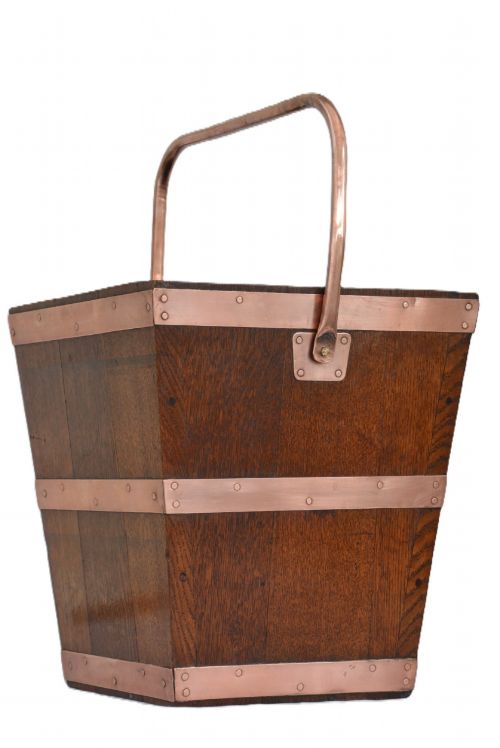
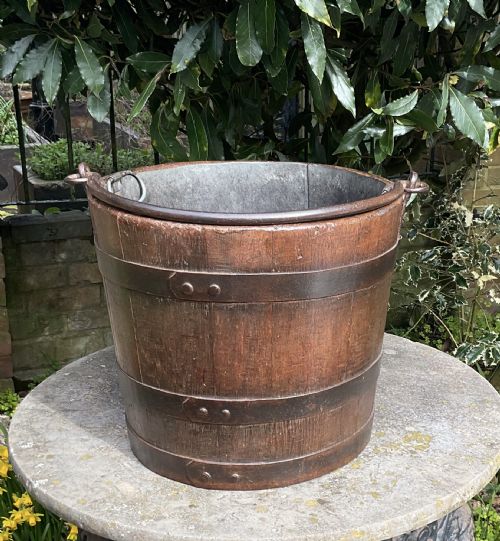
The forms span deep cylindrical tubs, coopered barrels, and lidded bins that double as waste stores or planters. Most pieces rely on substantial oak staves held together by structural metalwork.
Geographic styles vary from English country pieces to Dutch and Scottish variations. The domestic function remains central, though many now find new life as decorative log bins or fireside storage.
Construction and materials
Makers built these vessels using traditional cooperage techniques, shaping individual oak staves to form a tight, curved body. This method ensured the wood could withstand dry fuel storage or damp peat without losing structural integrity.
Metal bands in brass, iron, or copper encircled the wooden staves to secure them tightly together. Fitted drop handles, often cast in brass with swing rings, allowed heavy loads to be carried from the coal cellar to the hearth.
Judging quality and craftsmanship
Quality rests in the precision of the cooperage and the weight of the metal mounts. Tighter stave joints and thicker brass bands distinguish superior domestic pieces from utilitarian workshop containers.
The presence of original interior liners, whether zinc or metal, indicates a higher grade of manufacture intended to protect the wood from moisture. Rich patination on the timber and crisp casting on the handle mounts elevate the standing of an individual piece.
The Oak Peat Bucket Glossary
- Coopered
- Constructed from curved wooden staves joined vertically and bound by external metal hoops. This historic method originates from barrel-making traditions.
- Stave
- An individual narrow strip of oak that forms the vertical side of the bucket. These pieces are shaped with bevelled edges to fit tightly together.
- Patina
- The surface sheen and deep colour developed through decades of handling, polishing, and exposure to fireside warmth. It serves as an indicator of genuine age.
- Liner
- A fitted metal insert placed inside the wooden vessel to hold damp peat or coal dust. This protected the oak base from rotting.
- Band
- A flat strip of brass, iron, or copper secured around the exterior of the bucket. These hoops provide both structural strength and visual contrast.
Oak Peat Bucket: Frequently Asked Questions
What were oak peat buckets actually used for?
These vessels stored dried peat turf or coal near the hearth for daily burning. Their deep interiors and sturdy handles made transporting heavy fuel from outdoor stores straightforward.
Over time, many adapted to serve as general log bins, umbrella stands, or large planters around the home.
How do I tell a Georgian piece from a Victorian one?
Georgian examples often display finer joinery, warmer fruitwood accents, and restrained brass work reflecting earlier furniture tastes. Victorian and later pieces tend to be heavier, sometimes utilising broader brass bands and bolder proportions.
Examining the construction marks and the tone of the oak helps clarify the manufacturing era.
Can I still use an antique bucket by my fireplace?
Most survive in robust structural condition and function well for holding dry logs or kindling near a modern stove. Checking the interior for a protective liner ensures the old timber remains safe from moisture.
Gentle maintenance keeps the wood nourished without removing the historic surface character.
Why do some buckets have metal liners inside?
Liners caught moisture, ash, and loose debris from damp peat or coal, preventing rot from attacking the oak staves below. They made emptying and cleaning the vessel much simpler for household staff.
Original liners add notable interest for collectors seeking complete pieces.