


Oak Occasional Table Shelf
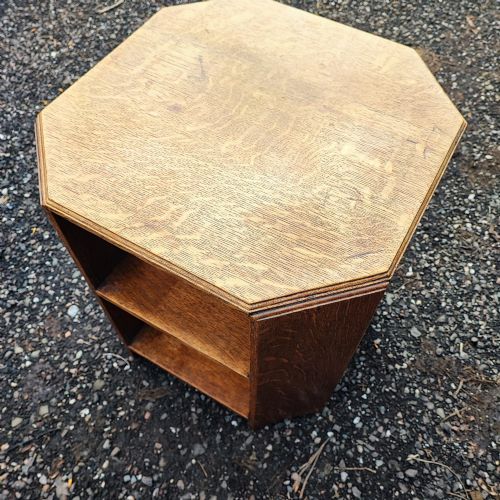
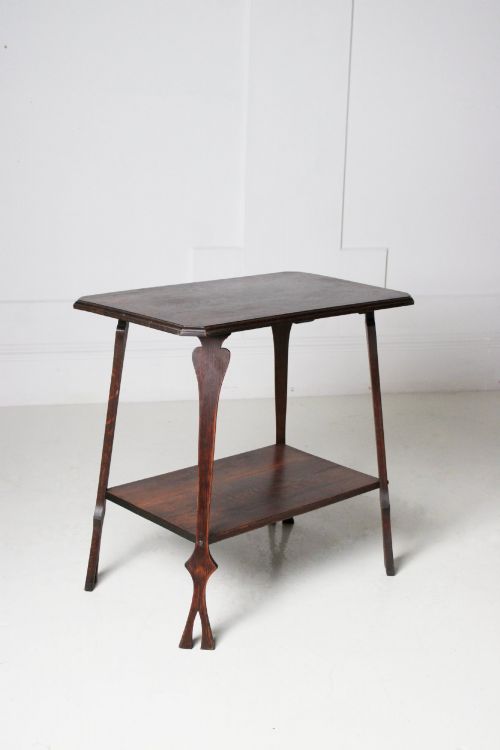
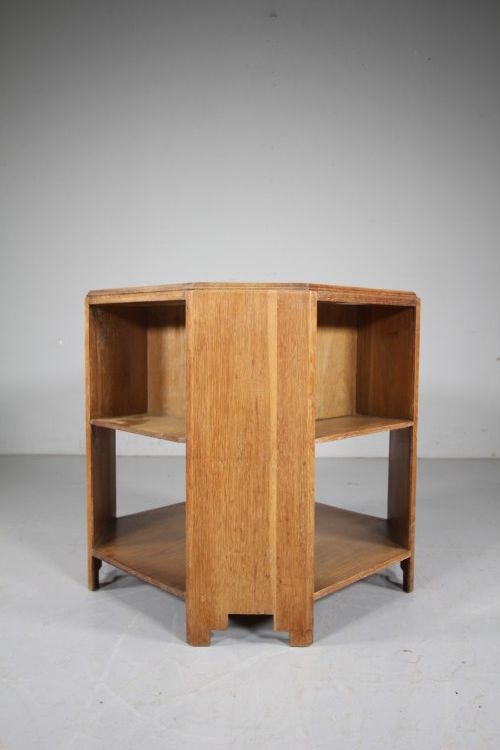
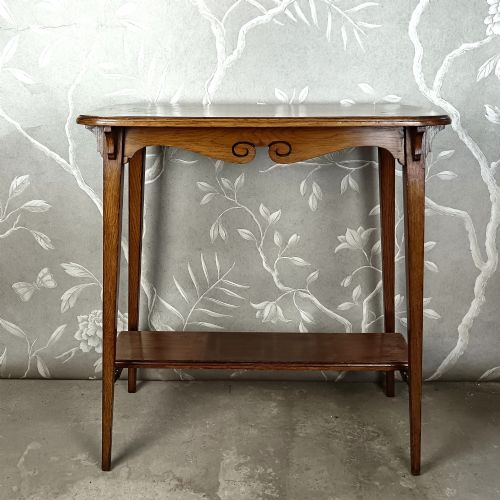
An oak occasional table shelf gives a room a dependable surface and a lower tier for books.
Oak Occasional Table Shelf
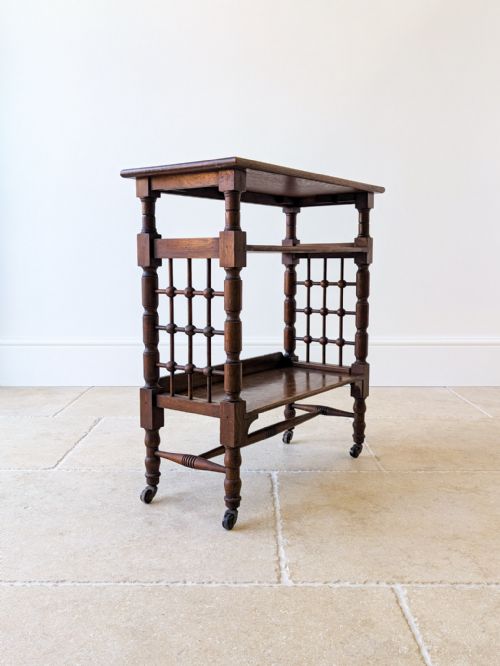
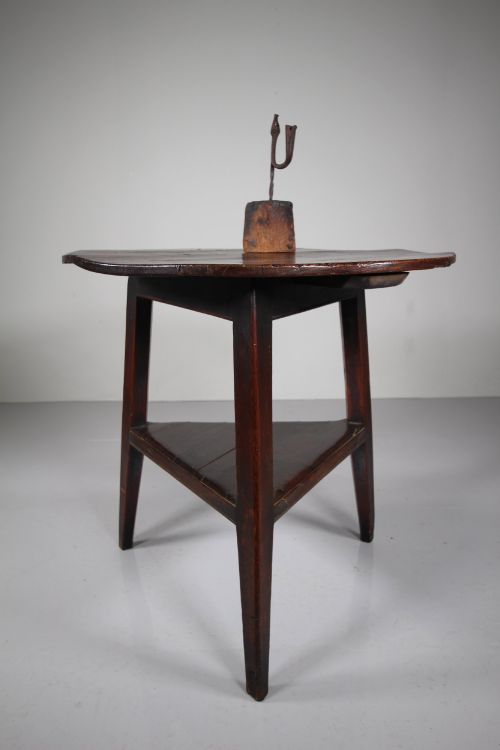
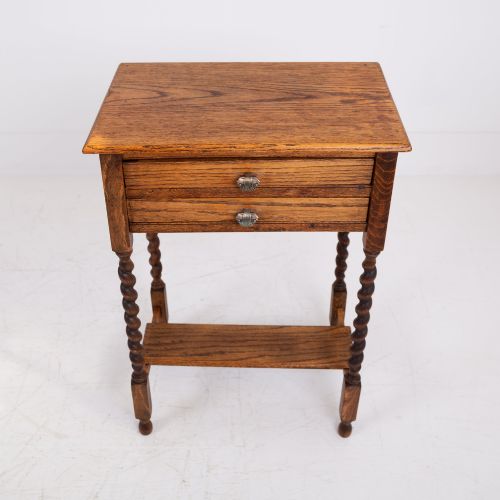
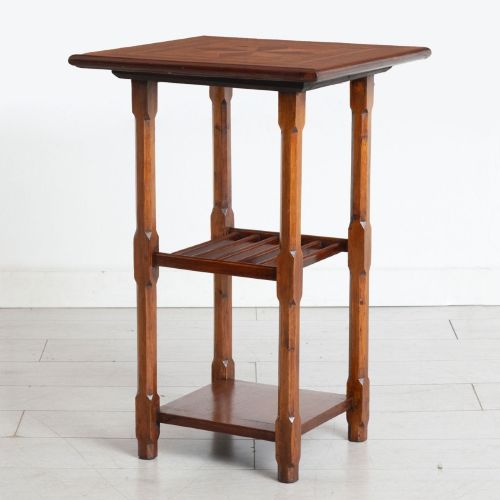
An oak occasional table shelf provides a compact surface for everyday use alongside a secondary lower level for storage. These versatile pieces appear in forms ranging from traditional cricket tables to multi-tiered Arts and Crafts designs.
The selection on this page spans several centuries, drawing heavily on the late nineteenth and early twentieth centuries alongside earlier eighteenth century examples. Buyers encounter side tables, book tables, and octagonal variants in solid oak.
Makers utilised sturdy timbers to create functional furniture for domestic settings. Regional vernacular pieces sit alongside distinct movement-led designs from the Arts and Crafts era.
How they were made
Makers relied primarily on solid oak, occasionally incorporating specimen woods, inlaid timber, pine, and painted finishes to achieve different decorative effects. Joinery techniques varied from rustic country construction to more refined cabinet work found in period pieces.
Metal fixings and hardware sometimes supplemented the wooden structures, particularly on pieces featuring storage or specialised tiers. Carved details and multi-tiered shelving required precise carpentry to ensure stability across the design.
What varies in quality
The distinction between ordinary and superior pieces rests on the selection of the timber and the execution of the joinery. Tables featuring well-figured oak boards and integrated shelving show a higher level of workshop consideration.
Design integrity separates standard utility items from pieces associated with specific stylistic movements or notable retail firms. Proportions, the handling of secondary tiers, and the integration of carved or painted elements define the upper tier of the range.
Heals·Liberty
The Oak Occasional Table Shelf Glossary
- Cricket table
- A small, three-legged wooden table originating in the eighteenth century, traditionally featuring a round top and a triangular underframe for stability on uneven floors. These early designs often use oak or pine.
- Arts and Crafts
- A design movement spanning the late nineteenth and early twentieth centuries that emphasised handcrafting, visible construction, and honest use of materials. Tables from this tradition often feature open shelving and simple geometric forms.
- Occasional table
- A small, movable table designed for a specific, intermittent function within a room, such as holding a lamp or books. They appear in various polygonal and circular formats.
- Bookcase table
- A hybrid form incorporating designated storage space for volumes directly beneath the main surface, often utilising tiered platforms. These pieces reflect the functional demands of twentieth-century domestic spaces.
- Vernacular furniture
- Items made by local artisans using regional traditions and readily available timber rather than following strict high-style metropolitan fashions. This category includes country pieces with straightforward construction.
Oak Occasional Table Shelf: Frequently Asked Questions
What is an oak occasional table shelf used for?
These tables provide a convenient surface for lamps, drinks, or decorative items in living spaces and hallways. The added lower shelf creates dedicated space for stacking books and small periodicals.
Their compact footprints allow them to fit easily beside armchairs or in awkward corners where larger furniture fails to go.
How do I date an oak table?
Dating relies on examining the construction methods, tool marks left on the timber, and the overall stylistic vocabulary. Eighteenth-century pieces typically show hand-sawn surfaces and pegged joints, while twentieth-century examples display cleaner machine milling.
Design cues like the flat planes of Art Deco or the structural honesty of Arts and Crafts further narrow down the decade of manufacture.
Are these tables sturdy enough for daily use?
Solid oak construction gives these tables inherent strength and durability for everyday domestic life. The addition of a lower shelf often acts as a stretcher, bracing the legs and adding rigidity to the entire frame.
Placing them on even flooring ensures the traditional three or four-legged bases remain stable under normal loads.
What distinguishes Arts and Crafts tables?
Arts and Crafts tables showcase the natural grain of the oak alongside exposed joinery like tenons and pegs. The decoration stems from the structure itself rather than applied ornamentation.
Multi-tiered formats and octagonal tops frequently appear within this tradition, prioritizing utility alongside straightforward aesthetic appeal.