


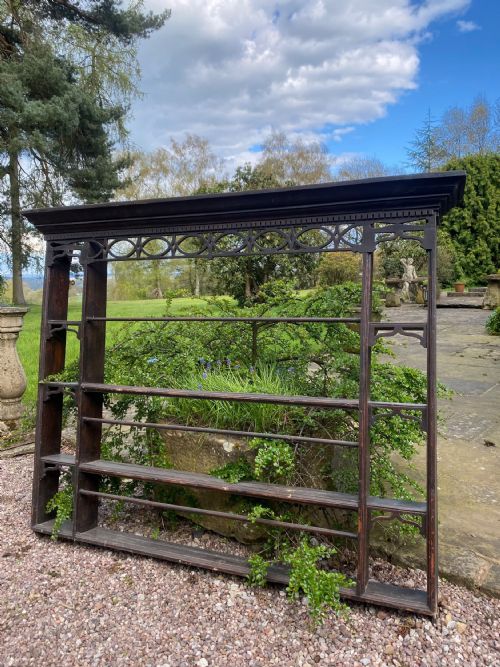
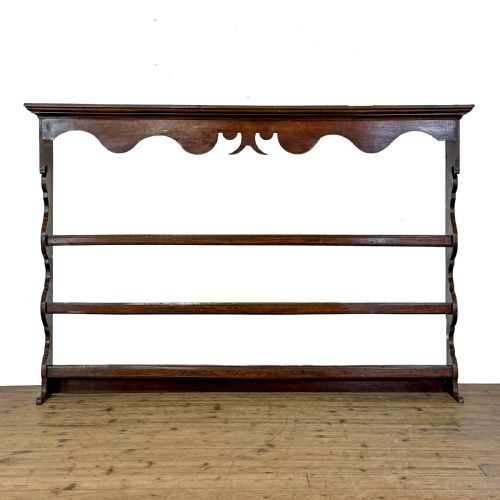


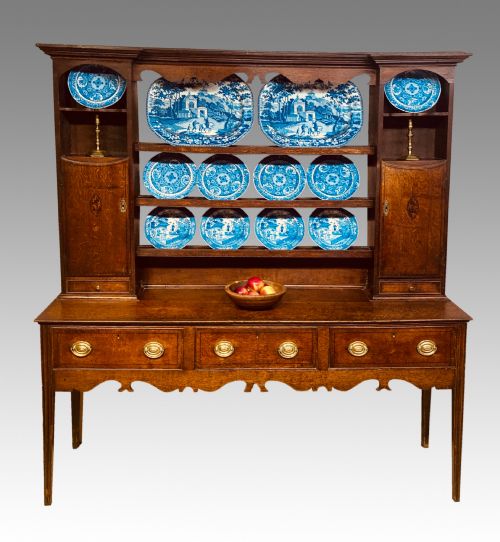


Oak Kitchen Shelf
An oak kitchen shelf provides sturdy, traditional display space, appearing most often on this page as part of a classic dresser rack or wall-mounted unit.
Oak Kitchen Shelf
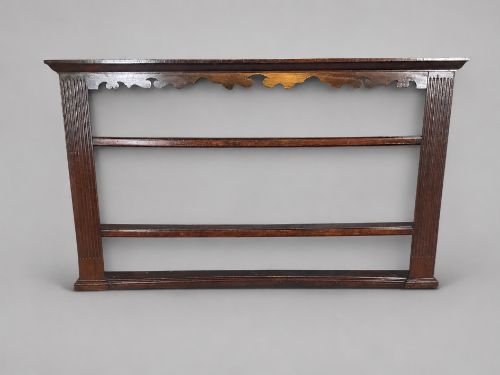
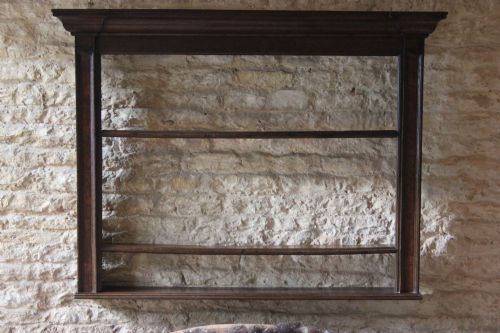
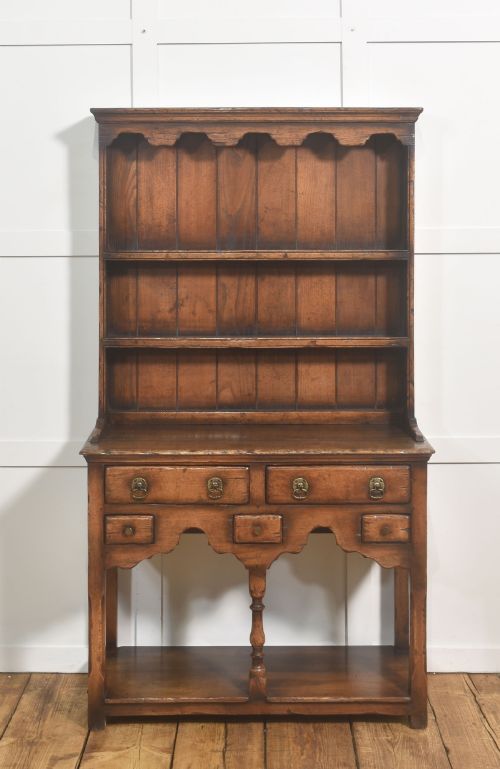
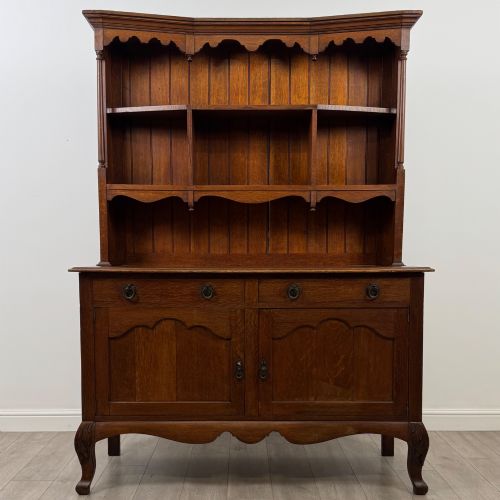
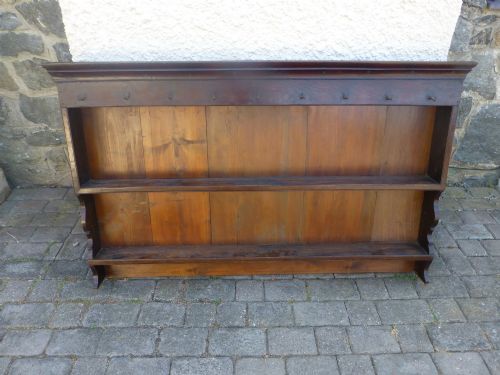
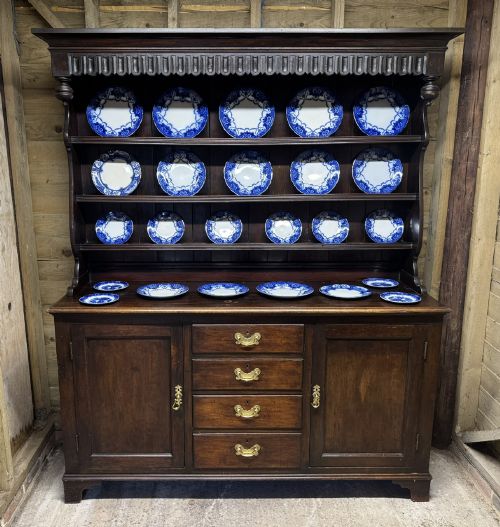
When searching for an oak kitchen shelf, buyers encounter a selection spanning the eighteenth and nineteenth centuries, alongside Edwardian and later revival pieces. These items primarily manifest as hanging wall shelves, delft racks, and the upper plate racks belonging to large Welsh and country dressers.
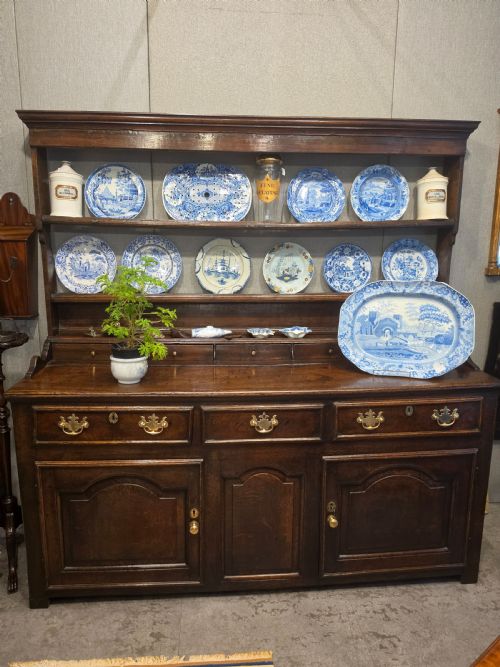
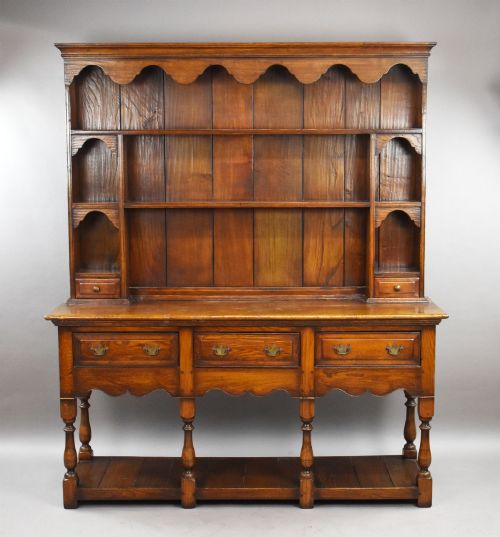
The regional diversity is evident in pieces originating from Wales, Shropshire, and North Wales, showcasing utilitarian domestic storage designed for daily household use. Simpler wall-mounted shelves exist alongside expansive two-part dressers featuring open tiers and potboards.
Stylistic influences range from plain Georgian country iterations to Gothic Revival and Jacobean revival examples. Most listings demonstrate robust proportions suited to holding ceramics, plates, and kitchenware.
How they were made
Construction relies heavily on solid timber, with oak forming the primary structure augmented by secondary woods such as elm, pine, and multi-wood elements. Workshops utilised traditional joinery methods to bear the weight of heavy tableware on open tiers.
Metal hardware plays a functional role in assembly and hanging, with iron and brass fixings frequently integrated into the construction. Specific pieces incorporate decorative detailing such as carving or glazed elements, alongside stained finishes.
Oak Kitchen Shelf Retail Price Guide 2026
Typical asking prices for oak kitchen shelf among the pieces listed under this phrase on Sellingantiques today, from the lower quarter to the upper quarter. They describe what is for sale here now, not the wider market.
Listings feature oak alongside pine, elm, and burr walnut, spanning periods from the eighteenth century through the Edwardian era.
What varies in quality
The standard of a piece depends on the depth of the timber's grain, the crispness of any period carving, and the integrity of the original construction. Superior examples maintain uncompromised structural proportions and authentic surface patination developed over centuries of domestic exposure.
Regional character and timber selection heavily influence the distinction between standard utilitarian storage and finer cabinet work. Variations in timber choice, from plain local wood to tiger oak or burr walnut, mark the difference between basic utility items and more ambitious regional commissions.
The Oak Kitchen Shelf Glossary
- Delft rack
- A wall-mounted or dresser-integrated shelf specifically designed with narrow ledges and retaining rails to display ceramic plates upright.
- Potboard
- The lower open shelf situated near the floor on traditional dressers, originally intended for storing heavy pots and pans.
- Welsh dresser
- A large kitchen storage unit combining base cupboards or drawers with an open tiered plate rack superstructure.
- Tiger oak
- Oak timber exhibiting strong, undulating medullary ray patterns that resemble tiger stripes, prized for its decorative appearance.
- Potboard dresser
- A traditional dining or kitchen unit featuring a low open platform base beneath the main counter surface.
Oak Kitchen Shelf: Frequently Asked Questions
How were these shelves originally used?
These shelves served in domestic kitchens and dining spaces to store and display earthenware, pewter plates, and everyday ceramic dishes. The design kept frequently used tableware within easy reach of the cooking area.
Many of the larger racks formed the upper section of a dresser, anchoring the kitchen storage layout of country houses and farmhouses. Their open ledges allowed damp plates to air dry after washing.
How do I mount an antique wall shelf?
Hanging antique oak shelves safely requires locating the structural studs in your wall or utilising appropriate heavy-duty wall anchors. Because solid oak timber carries considerable weight on its own, secure fixings are essential before adding any ceramics.
Check the existing hanging points on the back of the frame to ensure they align with your wall fixings. Professional installation is recommended for larger eighteenth-century and nineteenth-century hanging racks.
How can I tell a Georgian shelf from a later revival?
Georgian pieces generally display the tool marks, hand-cut joinery, and natural timber ageing characteristic of eighteenth-century workshop production. Their proportions and timber patination reflect the working methods of the period.
Revival pieces from the Edwardian era or the early twentieth century often employ machine-sawn elements or cleaner, standardised cuts. Examining the backboards, peg construction, and nail types helps clarify the exact age of the timber.
What is the difference between a wall shelf and a dresser rack?
A standalone wall shelf is a complete unit designed to be fixed directly to a wall for independent display. These items function entirely without a lower base cabinet.
A dresser rack is the upper component built to sit atop a lower sideboard or dresser base, though some survive separated from their original lower sections. These racks often feature deeper proportions and specific mounting fixtures meant to secure them to a companion base.