







Oak Kitchen Server
An oak kitchen server brings rugged utility and centuries of honest craftsmanship straight into the heart of a home.
Oak Kitchen Server
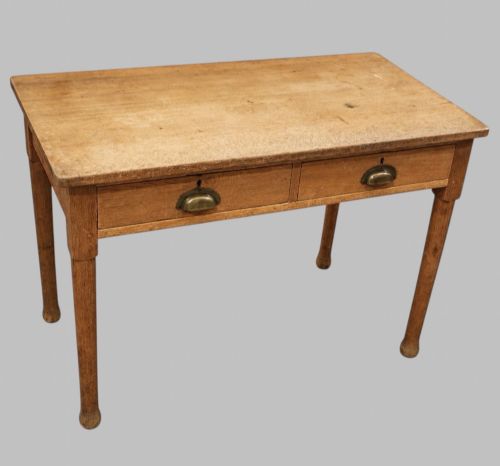
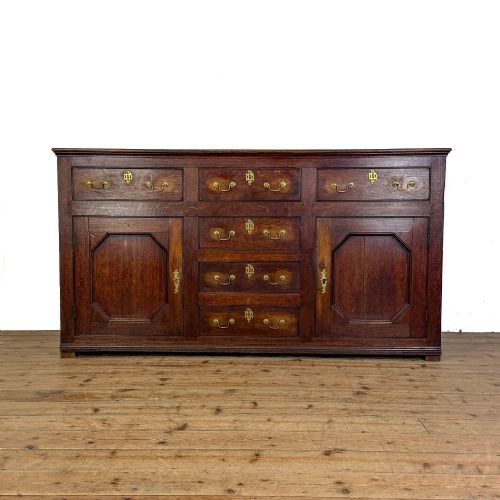
When searching for an oak kitchen server, a buyer encounters robust utility pieces designed for preparation and service, predominantly appearing as dresser bases, work tables, and drapers tables. These items stem from various periods, including the eighteenth and nineteenth centuries, as well as the Edwardian era and the nineteen-twenties.
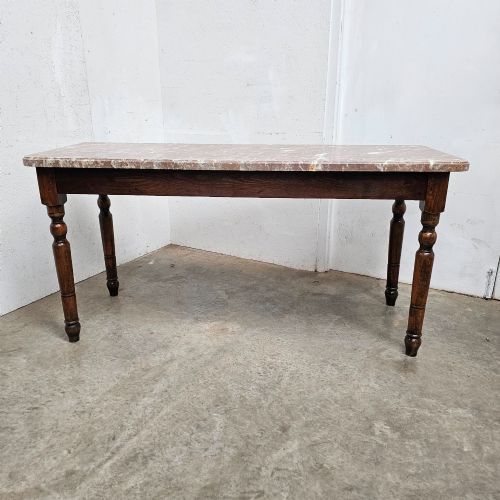
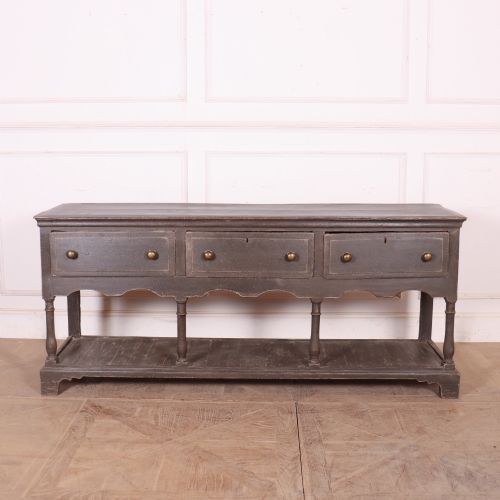
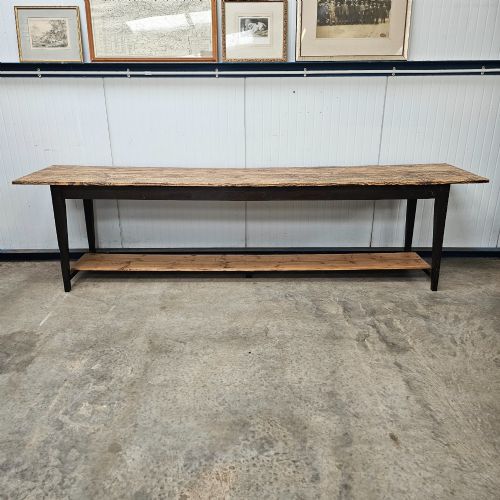
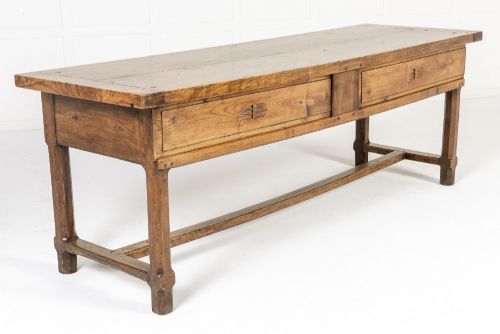
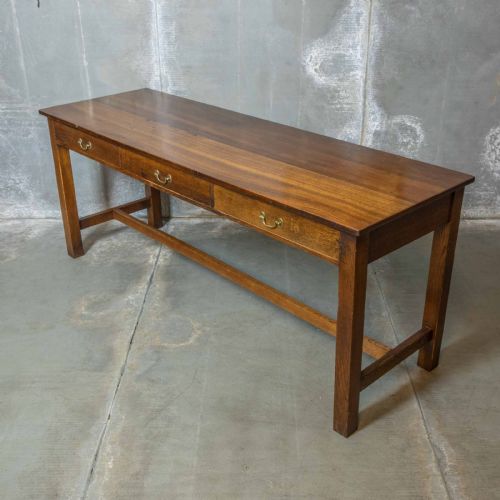
The most frequent form on this page is the dresser base, often fitted with drawers and occasionally featuring an open potboard lower shelf. Alongside these sit long harvest tables, prep tables, and serving tables originating from English, Welsh, and French traditions.
Stylistic influences range from rustic farmhouse and English country to Arts and Crafts and formal Georgian designs. Pieces may display plain timber surfaces or painted finishes, occasionally paired with marble tops or leaded glass cabinets.
Materials and construction methods
Solid oak forms the primary structural foundation of these servers, frequently complemented by secondary timbers such as pine or accented with brass hardware and marble tops. Craftsmen selected timber for durability, often utilising thick planks for heavy work surfaces and tabletops.
Construction relies on traditional joinery techniques suited to hard daily use, visible in solid boarded tops, pegged joints, and drawer framing. Surface treatments vary from natural waxed grain and bleached oak finishes to historic painted timber coatings.
Oak Kitchen Server Retail Price Guide 2026
Typical asking prices for oak kitchen server among the pieces listed under this phrase on Sellingantiques today, from the lower quarter to the upper quarter. They describe what is for sale here now, not the wider market.
Several monumental drapers tables stretch over four metres long, originally built to handle endless bolts of fabric before finding new life in kitchens.
Factors influencing quality
Quality in an oak kitchen server rests upon the integrity of the timber selection and the retention of original structural fabric. Heavier boards, substantial proportions, and undisturbed patina separate superior examples from more altered or reconstructed items.
The sophistication of regional vernacular design also marks the hierarchy, where crisp geometric carvings, well-proportioned drawer arrangements, and original potboards elevate a piece above simpler utility furniture.
The Oak Kitchen Server Glossary
- Potboard
- An open lower shelf fitted beneath a dresser base, originally designed for storing heavy pots and pans. This feature allows air circulation and provides generous display space.
- Draper table
- A long, sturdy table historically used in textile shops or large domestic kitchens for folding and food preparation. These tables are characterised by exceptional length and narrow proportions.
- Dresser base
- The lower section of a traditional Welsh or English dresser, featuring a flat working top above rows of drawers and cupboards. It functions independently as a sideboard or serving console.
- Bleached oak
- Timber that has been treated to lighten the natural dark tones of aged oak. This finish creates a softer, paler surface popular in nineteenth-century French furniture.
- Refectory table
- A long, narrow dining or serving table traditionally built for communal dining halls. These tables use sturdy trestle or four-leg frames braced by low stretchers.
Oak Kitchen Server: Frequently Asked Questions
What is a kitchen server?
A kitchen server is a sturdy utility piece, such as a dresser base or prep table, designed for food preparation and serving.
These items provide generous surface areas and storage beneath, making them practical focal points in modern kitchens.
How were antique tables used?
Historic tables served demanding daily roles in domestic work, baking, drapers' shops, and communal dining.
Their heavy construction absorbed the rigours of rolling pastry, chopping, and displaying heavy provisions.
How do I style a server?
Pairing a timber server with modern kitchen fittings creates a balanced contrast between old and new materials.
Use the surface for everyday culinary tools or display ceramics on the potboards and shelves below.
How are different periods identified?
Periods are recognised through structural proportions, joinery methods, and characteristic stylistic details like geometric carvings.
Eighteenth-century examples often display simpler hand-planed surfaces, whereas Arts and Crafts pieces show later aesthetic influences.