





Oak Glazed Storage Cabinet
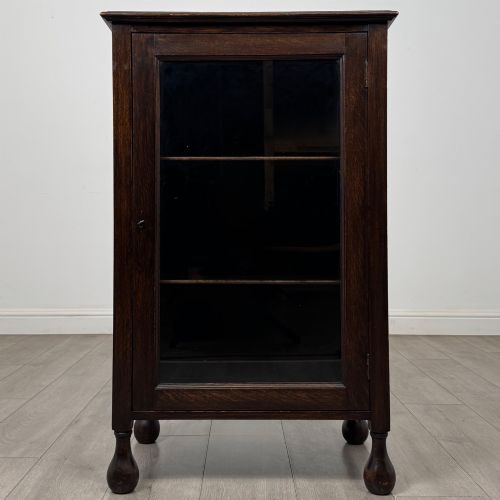
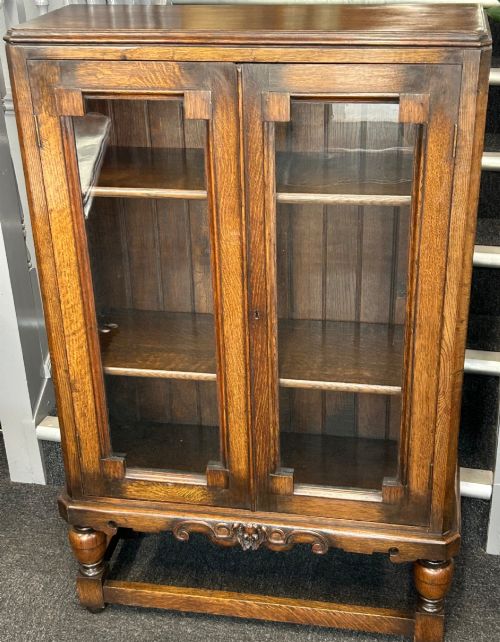
An oak glazed storage cabinet brings both display and utility into a room, offering sturdy timber housing fitted with glass panels to protect your books and curiosities.
Oak Glazed Storage Cabinet
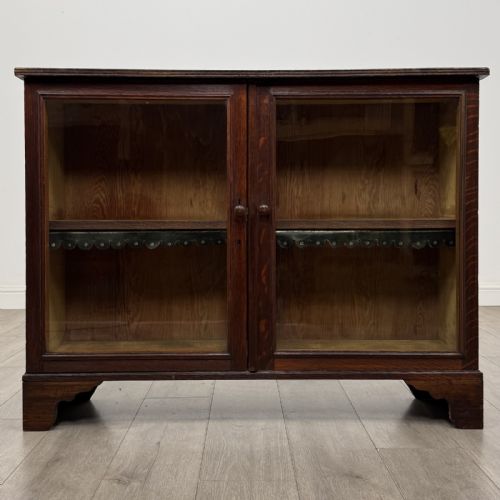
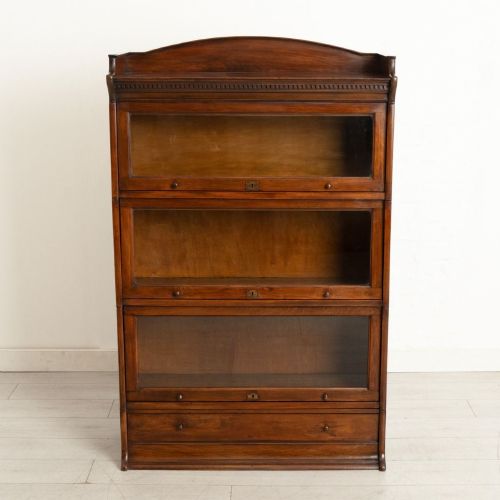
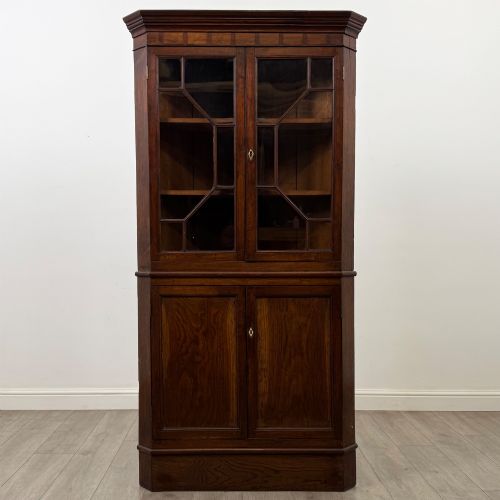
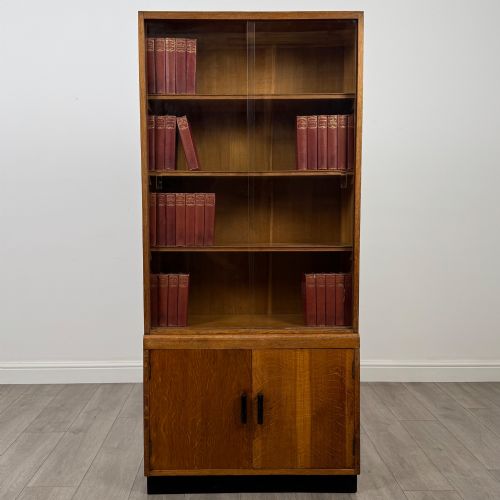
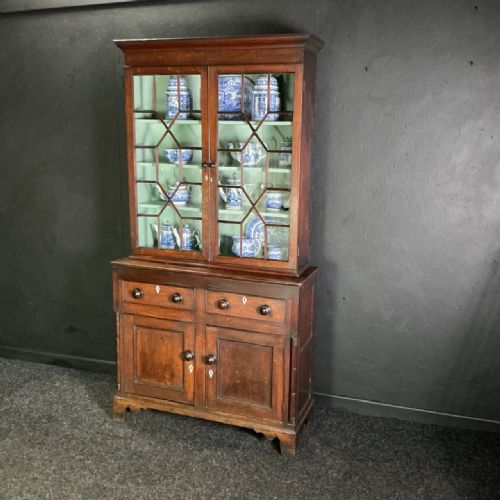
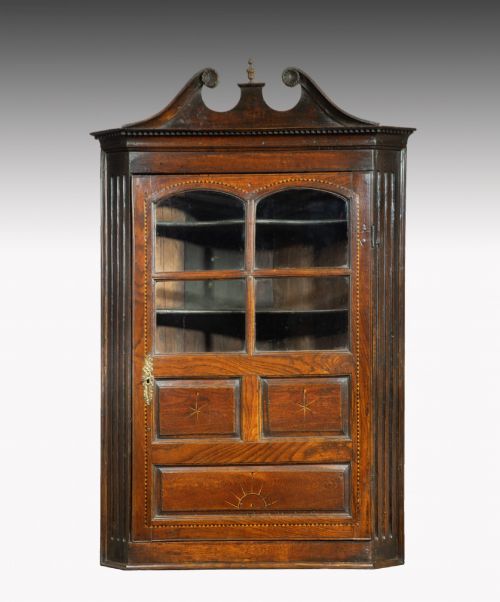
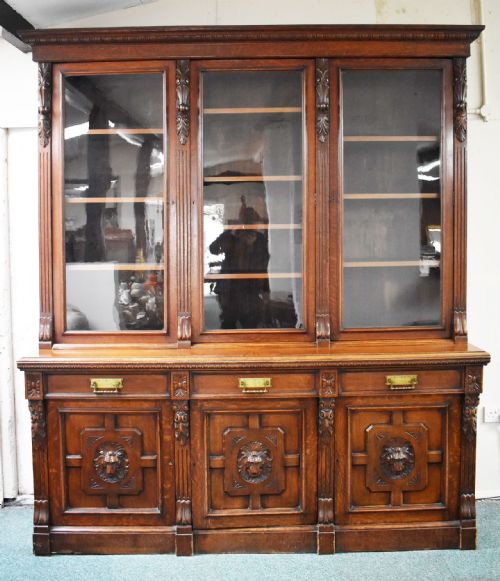
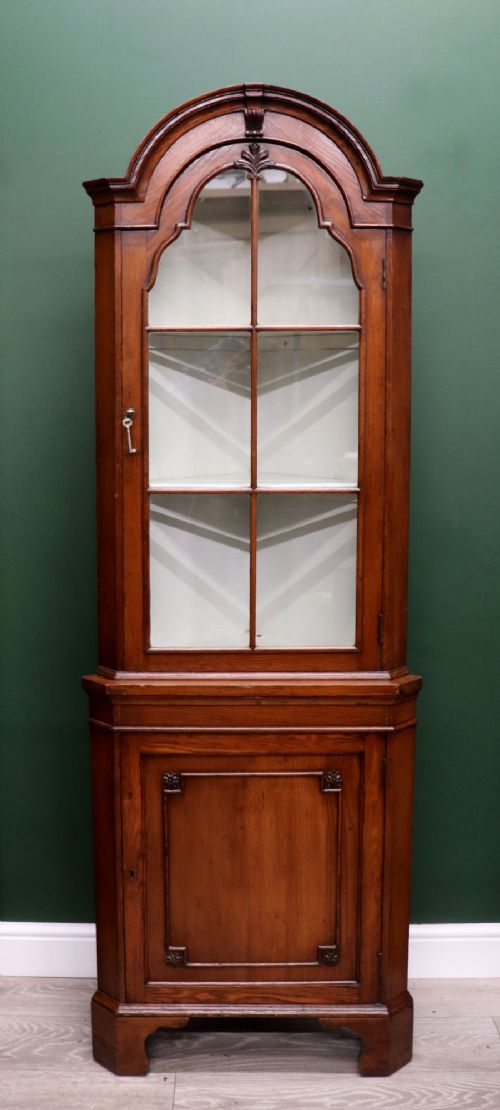
When searching for an oak glazed storage cabinet, you encounter a variety of forms including bookcases, display cabinets, corner cupboards, and modular stacking units. These pieces serve distinct functional purposes, ranging from tall library storage with drawers in the lower section to compact bedside or corner units designed to maximise domestic space.
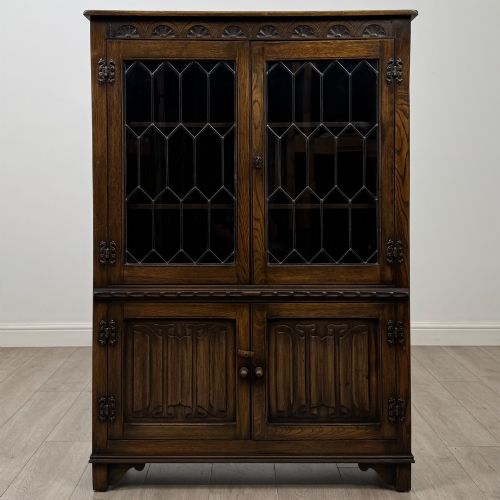
The selection spans multiple eras, drawing heavily from Georgian, Victorian, Edwardian, and 1930s periods. You find traditional vernacular furniture alongside revival styles such as Gothic, Jacobean, and Tudor, as well as Arts and Crafts, Art Deco, and Mid-Century Modern designs.
Most examples rely on solid oak or oak veneer, frequently paired with glass doors, brass hardware, and iron or lead detailing. Some specialised variants incorporate ceramic tiles or hand-painted signage, reflecting their diverse origins from domestic parlours to school art departments and shop displays.
Materials and construction methods
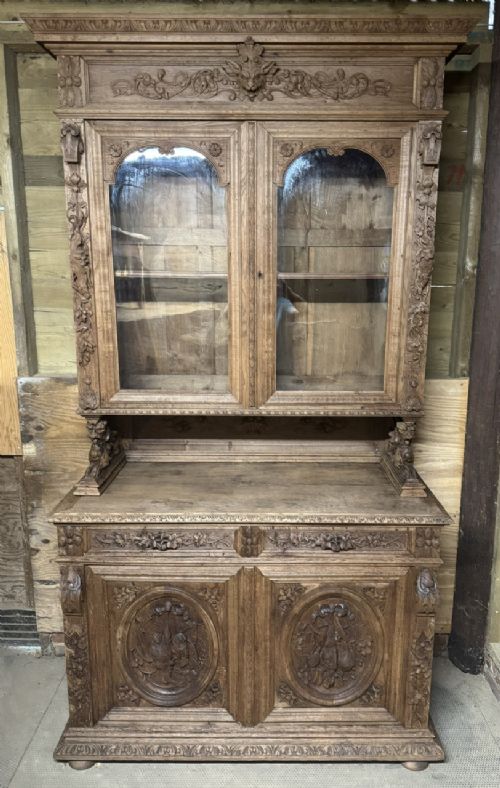
Makers utilised solid oak alongside oak veneer over secondary timbers, constructing carcases designed to withstand heavy domestic or institutional use. Timber selection varied from dark figured oak in Victorian carved pieces to lighter golden or limed finishes favoured in twentieth-century examples.
Glazing forms a central element of construction, utilising clear glass panes secured with wooden glazing bars, lead cames, or metal framework. Hardware such as brass hinges, escutcheons, and iron fittings provide structural reinforcement and mechanical operation for doors and drawers.
Oak Glazed Storage Cabinet Retail Price Guide 2026
Typical asking prices for oak glazed storage cabinet among the pieces listed under this phrase on Sellingantiques today, from the lower quarter to the upper quarter. They describe what is for sale here now, not the wider market.
Listings feature oak glazed storage cabinets spanning the eighteenth, nineteenth, and twentieth centuries, incorporating Victorian, Edwardian, and Art Deco design movements.
Factors determining quality
The standard of an oak glazed storage cabinet depends upon the grade of timber selected, the crispness of hand-carving, and the integrity of the joinery. Finer pieces demonstrate careful timber matching, particularly on veneered surfaces, and robust carcase construction that maintains door alignment over decades.
The sophistication of the glazing and hardware separates standard utility items from superior examples. Well-proportioned glazing bars, original brass fittings, and specialised internal configurations like modular stacking tiers or integrated ceramic tile insets indicate thoughtful workshop execution.
The Oak Glazed Storage Cabinet Glossary
- Glazed cabinet
- A storage unit featuring glass-fronted doors designed to display contents while protecting them from dust.
- Corner cabinet
- A space-saving storage form built with a triangular footprint to fit neatly into room angles.
- Modular stacking bookcase
- A shelving system comprising independent horizontal sections that stack vertically, often associated with barrister designs.
- Linenfold
- A style of wood carving depicting folded parchment or cloth, frequently seen on panelled doors of revival furniture.
- Limed oak
- A wood finishing technique that applies a white pigment into the grain of oak to produce a pale, muted surface.
Oak Glazed Storage Cabinet: Frequently Asked Questions
How do I date an oak cabinet?
Dating relies on observing construction methods, timber treatment, and stylistic markers. Pieces from the Georgian and Victorian eras often display hand-cut joinery and darker patination, whereas twentieth-century examples show lighter finishes or modular mechanisms.
Hardware and glass characteristics also provide chronological clues. Hand-blown glass panes and forged iron hinges point to earlier periods, while standardised brass fittings and plate glass align with Edwardian and later twentieth-century manufacturing.
Are these cabinets suitable for small rooms?
Many configurations suit compact spaces, particularly corner cabinets and narrower single-door bookcases. These forms utilise vertical dimensions or awkward angles without dominating floor area.
Modular stacking bookcases also offer flexibility because sections can be arranged or reduced depending on available wall space and storage requirements.
What is the difference between a bookcase and a display cabinet?
Bookcases typically prioritize adjustable or fixed wooden shelving designed for holding books, though many incorporate glazed doors to protect volumes. Display cabinets often focus on exhibition, sometimes featuring mirrored backs, glass sides, or specialised compartments for curiosities.
In practice, overlap occurs frequently, with many period pieces serving interchangeably as libraries or china repositories depending on the interior arrangement.
How should I care for vintage oak furniture?
Maintain oak surfaces by dusting regularly with a soft, dry cloth and avoiding excessive moisture or direct sunlight. Periodic application of appropriate wax polish nourishes the timber and preserves the natural patina without sealing the grain.
Check brass and iron hardware occasionally to ensure fixings remain secure, and keep glass panels clean using standard non-abrasive window solutions applied to a cloth rather than sprayed directly near the wood.