


Oak Fireside Log Bin
An oak fireside log bin brings warmth and practical storage to a hearth, combining robust timber with clever metalwork.
Oak Fireside Log Bin
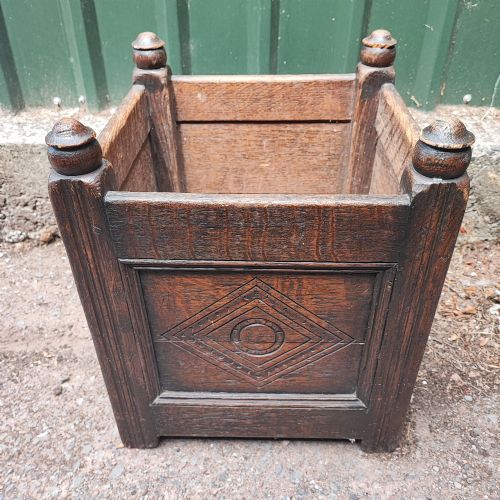
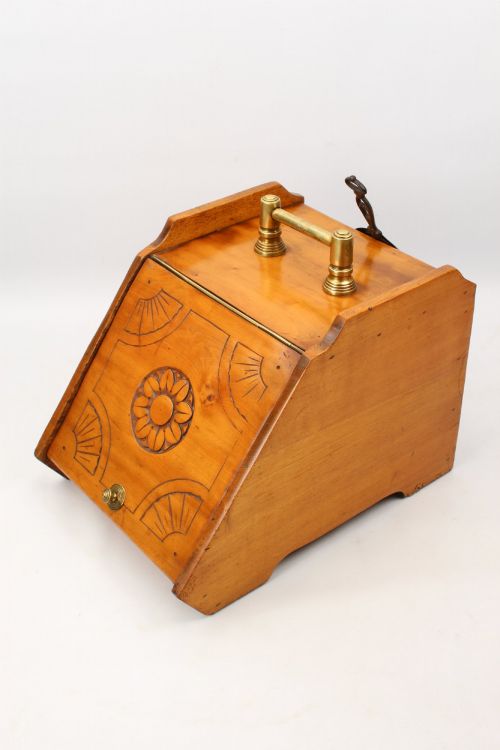
An oak fireside log bin serves as a sturdy receptacle for hearth fuel, appearing in various forms from simple country boxes to elaborate purdoniums. These pieces date across the Georgian, Victorian, and Edwardian periods, reflecting the changing domestic habits of British homes.
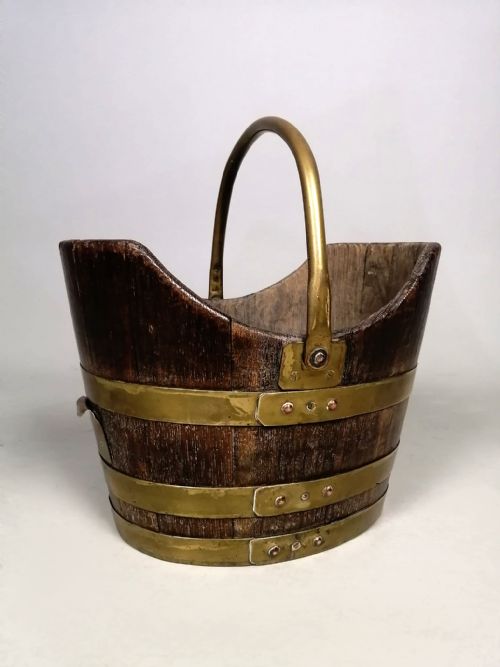
Buyers will encounter traditional hinged lidded boxes, coopered buckets with metal banding, and upright scuttles designed for coal or logs. Many examples incorporate metal linings or compartments, originally intended to keep fuel tidy and hearth debris contained.
The styles span from plain rustic farmhouse designs to carved Victorian showpieces and decorative Arts and Crafts interpretations. Whether designated as a coal box, log basket, or storage chest, each serves the fundamental purpose of fireside organisation.
Materials and construction
The primary material is oak, often selected for its durability and prominent grain, occasionally paired with fruitwood or secondary timbers. Coopered construction utilises tight stave assembly bound with metal hoops, much like traditional barrels.
Metal components play a crucial structural and decorative role, featuring brass bands, iron handles, copper panels, and internal metal liners. Carving and joinery techniques define the period style, from simple pegged joints to ornate Victorian reliefs.
Some Victorian coal boxes included a secret compartment specifically sized to store the accompanying shovel out of sight.
Distinguishing quality
Quality rests in the integrity of the timber and the robustness of the metal mounts, distinguishing utilitarian items from high-status hearth furniture. Superior pieces display refined dovetailing, solid brass hinges, and well-fitted interior linings rather than hasty assembly.
Design ambition separates standard coal boxes from exceptional items, particularly where makers integrate hand-beaten copper panels or elaborate carved decoration. The weight of the oak and the crispness of any carved detailing indicate the original maker's investment of time and skill.
Liberty London
The Oak Fireside Log Bin Glossary
- Purdonium
- A type of coal box, typically Victorian, featuring a sloping front door that drops forward to reveal a metal-lined interior for fuel storage. These often include a matching shovel stored in a built-in side rack.
- Coopered
- A method of construction where tapered wooden staves are bound tightly together by metal hoops, commonly seen in round buckets and bins. This technique derives from barrel-making traditions.
- Scuttle
- A vessel designed for carrying coal to the fire, usually fitted with a swing handle at the top and a smaller handle at the base for tipping. They appear in brass, copper, and oak.
- Arts and Crafts
- A design movement valuing handcraftsmanship, simple forms, and natural materials, often represented by oak boxes featuring hammered copper panels and strapwork hinges.
- Hearthside
- Pertaining to the area immediately surrounding a fireplace, where fuel storage vessels traditionally sit for daily convenience.
Oak Fireside Log Bin: Frequently Asked Questions
What is the difference between a log bin and a coal box?
Log bins are generally open baskets or deep chests designed to hold bulky pieces of wood for an open fire. Coal boxes and purdoniums usually feature enclosed lids and metal linings specifically intended to contain smaller, dirtier fuel and coal dust.
Many period pieces serve both functions interchangeably today, though their original internal fittings often point to a specific type of fuel. Lidded boxes kept coal out of sight, while open oak buckets displayed logs beside the hearth.
How do I clean an antique oak log bin?
Maintenance requires only gentle dusting and occasional application of traditional beeswax to nourish the oak grain. Avoid harsh modern chemical cleaners that can strip the historic finish from the timber.
Metal components such as brass bands or copper panels can be polished sparingly if a bright finish is desired, though many collectors prefer to leave them with their natural aged patina.
Were these bins lined with metal originally?
Many period coal boxes and bins featured removable metal liners made of zinc or tin to protect the wooden structure from moisture and dirt. These liners made it easier to empty debris and prevented damp fuel from rotting the oak base.
Not all pieces retained their original liners over the centuries, so finding one intact adds considerable authenticity to a piece.
How can I date an oak log bin?
Dating relies on examining the construction methods, handle styles, locking mechanisms, and decorative motifs characteristic of different eras. Georgian pieces often show hand-cut dovetailing and simple brass bail handles, while Victorian examples frequently incorporate heavy mouldings, carved panels, or patent drop-front mechanisms.
Arts and Crafts pieces from the Edwardian period are distinguished by hammered copper accents and exposed structural copper rivets.