


Oak Fireplace Coal Box
An oak fireplace coal box is a sturdy fireside essential designed to store fuel near the hearth.
Oak Fireplace Coal Box
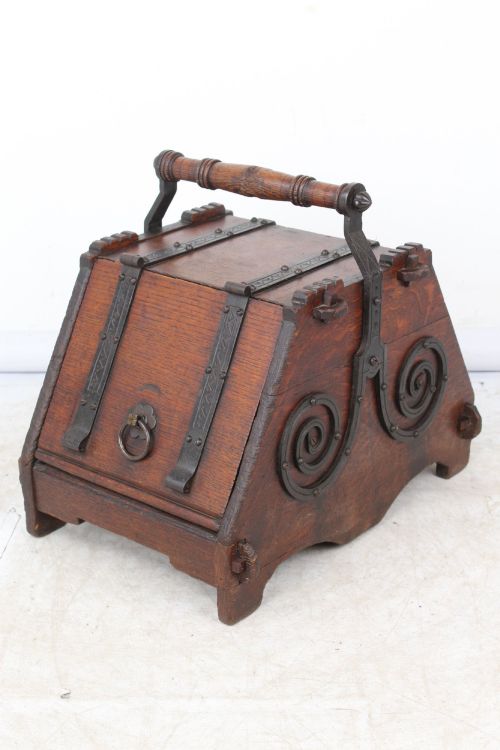
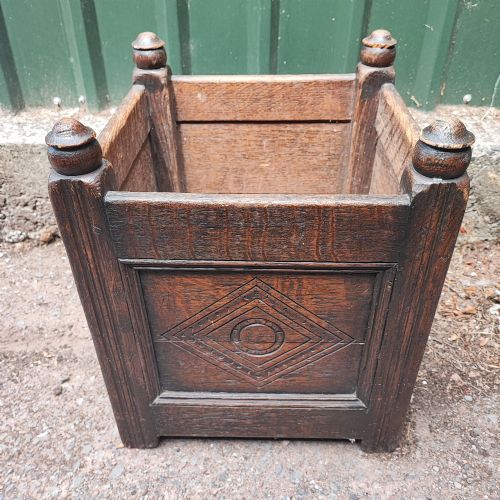
An oak fireplace coal box brings practical fuel storage to the hearth while adding period character to a room. When you examine an oak fireplace coal box on this page, you encounter forms ranging from rustic country log bins to refined Victorian purdoniums.
The selection spans several centuries and styles, including George III bunkers, Gothic Revival designs, and Edwardian purdoniums. Many examples feature fitted metal linings and dedicated compartments for shovels.
Makers utilised timber alongside contrasting hardware to create functional containers for coal and logs. These pieces represent a blend of domestic utility and decorative woodwork from past eras.
Materials and Construction
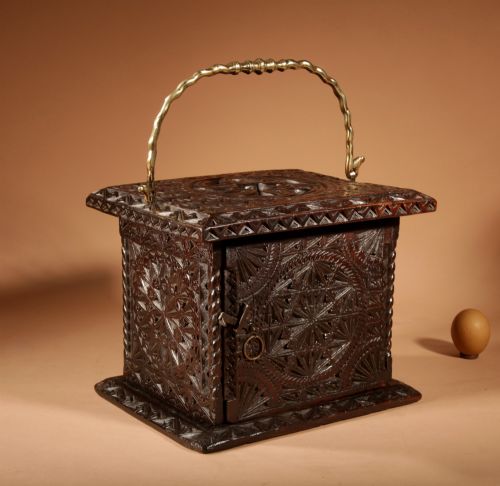
Cabinetmakers constructed these pieces primarily from solid oak and pollard oak, sometimes incorporating chip carving or applied mouldings. Carpenters selected timber for its durability and grain pattern before assembling the structural boxes.
Makers reinforced the wooden bodies with brass, copper, and wrought iron mounts, hinges, and handles. Internal metal liners protected the wood from moisture and debris associated with solid fuel.
Listings feature oak combined with brass, copper, and wrought iron across Victorian, Edwardian, and eighteenth-century periods.
Judging Quality
Quality rests in the execution of the woodwork and the integrity of the hardware. Pieces featuring detailed carving or specialised timber selections stand apart from utilitarian storage bins.
The presence of original fittings, such as matching shovels and internal metal liners, elevates an example. Structural solidity and clean timber joints distinguish superior pieces from standard workshop output.
Christopher Dresser
The Oak Fireplace Coal Box Glossary
- Purdonium
- A specialised cabinet designed for storing coal beside a fireplace, typically featuring a sloping front door and a carrying handle. This form gained popularity during the Victorian and Edwardian periods.
- Log Box
- A sturdy container built to hold firewood rather than smaller pieces of coal. These items often display simpler construction suited to rustic settings.
- Chip Carving
- A decorative technique where small chips are removed from the surface of wood to create geometric patterns. This method appears on folk art and country pieces.
- Fireside Accessories
- Utilitarian and decorative objects kept near the hearth, including coal scuttles, shovels, and foot warmers. They combine metalwork and woodwork for daily domestic use.
Oak Fireplace Coal Box: Frequently Asked Questions
What is a purdonium?
A purdonium is a dedicated cabinet for coal that sits beside the hearth. It usually includes a drop-down front and an internal metal liner.
These boxes kept coal contained and tidy while complementing the surrounding fireplace furniture.
How do I clean an oak coal box?
Wipe the wooden exterior with a dry or slightly damp cloth to remove dust. Avoid harsh chemical cleaners that might strip the historic finish.
Polish the brass or copper mounts separately with a suitable metal cleaner, taking care not to stain the surrounding oak.
Are these boxes meant for daily use?
Many period coal boxes remain structurally sound enough for holding logs or kindling in a modern home. Using the original removable metal liner protects the antique wood from moisture.
Careful handling preserves the vintage hinges, handles, and decorative carvings during everyday fireside duties.
How do I date an oak coal box?
Dating relies on stylistic clues, hardware types, and construction methods. Victorian and Edwardian examples often feature machine-sawn timber and mass-produced brass fittings, while earlier pieces show hand-tool marks.
Descriptions referencing specific periods like the eighteenth century or Edwardian era provide a baseline for age.