

Oak Draw Table
An oak draw table gives you a solid timber surface that extends easily when guests arrive, bringing sturdy charm to any dining room.
Oak Draw Table
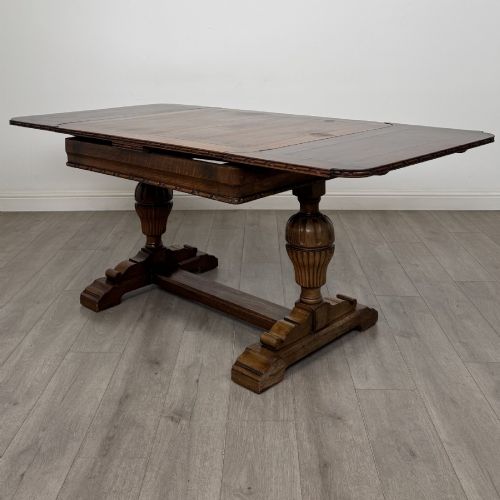
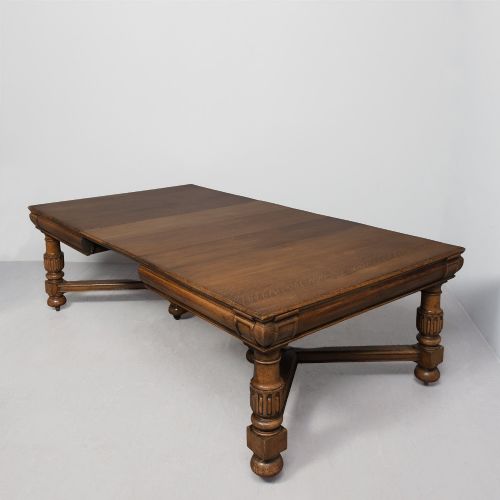
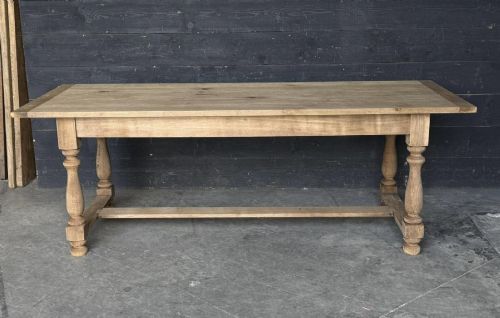
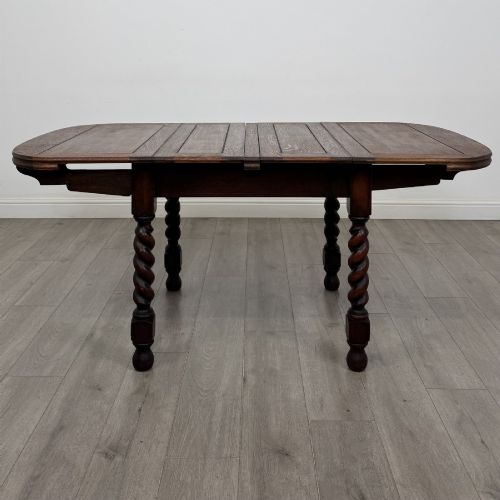
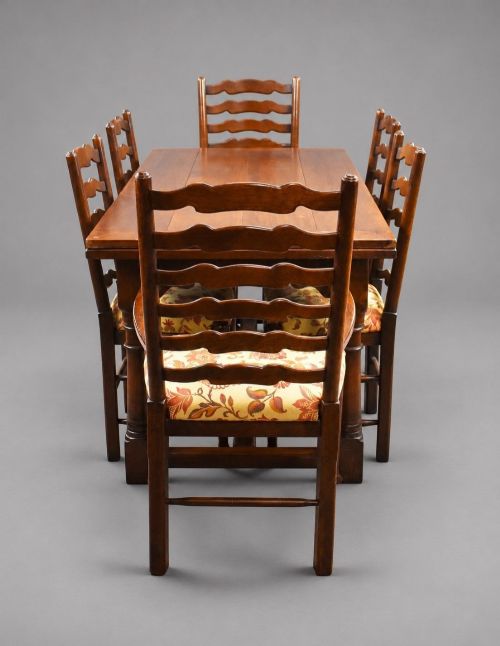
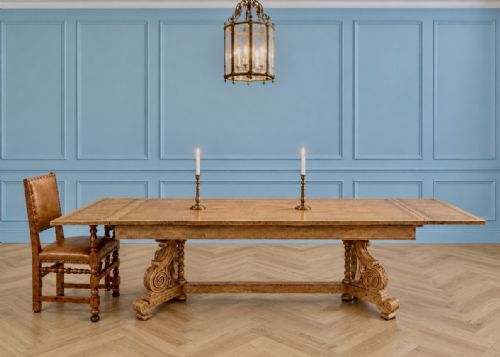
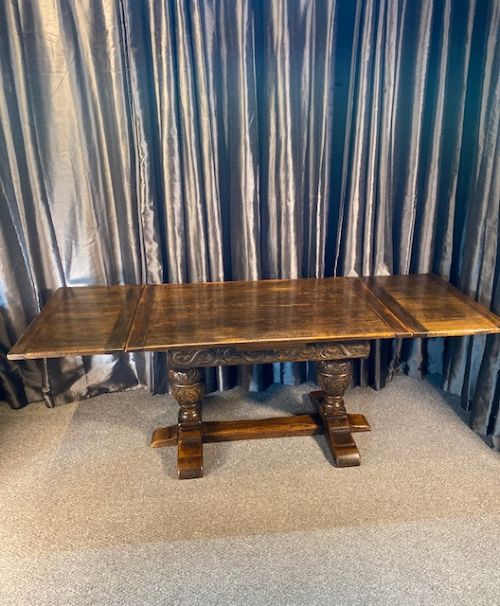
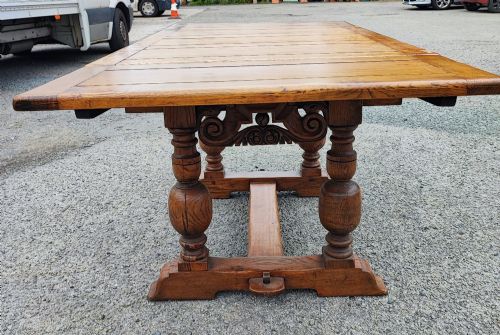
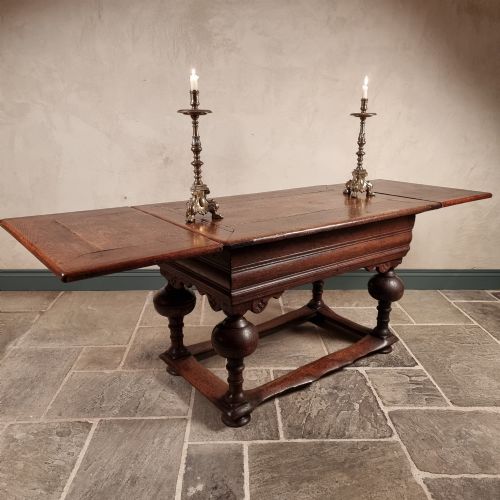
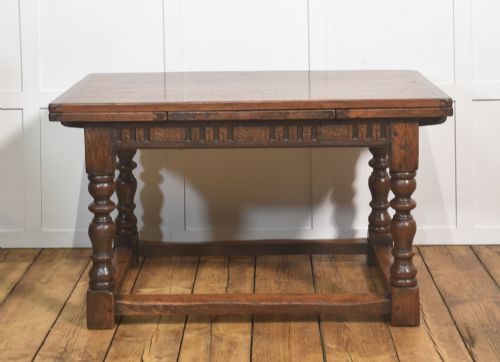
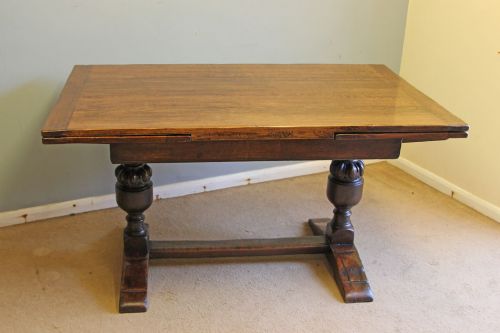
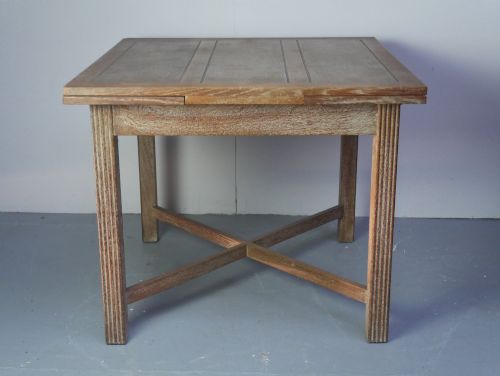
An oak draw table is a dining table equipped with sliding leaves tucked beneath the main top, allowing the surface area to expand. When you search for an oak draw table, you encounter forms ranging from rustic farmhouse types to more formal revival styles.
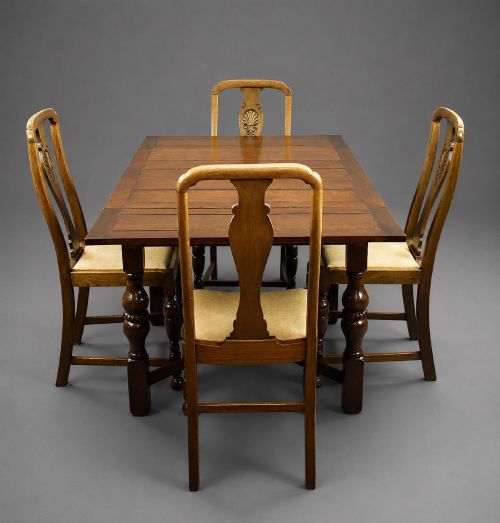
The pieces on this page span several distinct periods, with the majority originating from the early twentieth century alongside examples from the nineteenth century and the seventeenth century. These tables serve primarily as dining tables and refectory tables, often appearing as part of dining sets.
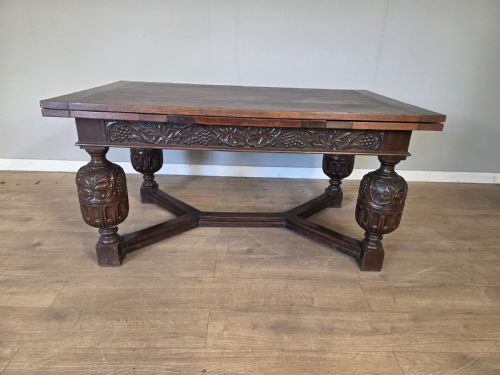
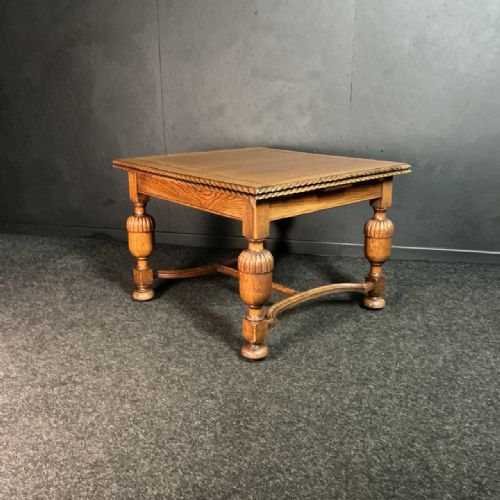
Stylistic influences vary widely across the selection, featuring Jacobean and Elizabethan revivals, French provincial designs, Dutch Renaissance characteristics, and Arts and Crafts execution. This diversity means you can find a table that fits both traditional country houses and simpler domestic interiors.
Distinguishing Quality
Quality in these tables rests upon the precision of the extension mechanism and how smoothly the hidden leaves glide into place. A superior table maintains structural stability whether fully closed or extended to its maximum length.
The depth of carving and the selection of timber figure prominently in establishing the character of each piece. Tables featuring refined parquetry work or distinct attribution to established firms demonstrate a higher level of craftsmanship.
Oak Draw Table Retail Price Guide 2026
Typical asking prices for oak draw table among the pieces listed under this phrase on Sellingantiques today, from the lower quarter to the upper quarter. They describe what is for sale here now, not the wider market.
Some tables hide their clever sliding mechanisms so well that guests will lean on the middle, entirely unaware they are sitting on a transformer.
Heals·Maple and Co
The Oak Draw Table Glossary
- Draw leaf table
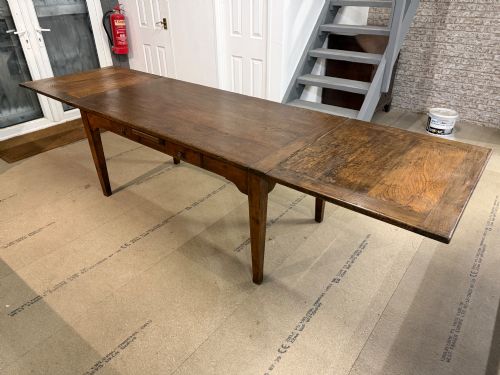
- A table with two hidden leaves located beneath the main top that slide outward to extend the surface length. This clever mechanism allows the table to double in size without requiring extra storage for loose leaves.
- Refectory table
- A long, narrow dining table traditionally used in monasteries and large halls, adapted over centuries for domestic dining. They typically feature sturdy legs joined by heavy stretchers.
- Parquetry
- A geometric mosaic of wood pieces used for decorative effect on furniture surfaces. It creates patterned tabletops utilising contrasting tones of timber.
- Limed oak
- A wood finish treatment that highlights the open grain of oak by applying a light-coloured pigment. This technique became popular during the early twentieth century for lighter interior aesthetics.
Oak Draw Table: Frequently Asked Questions
How do the extension leaves operate?
The extending leaves sit directly beneath the main tabletop when the table is closed for daily use. When you pull them from either end, the main top rises slightly and the leaves slide out into place.
This design keeps the extra surface neatly stored within the frame itself. You do not need to find a separate cupboard to store loose leaves when the table is compact.
Are these tables suitable for daily family meals?
Solid timber construction makes these tables robust enough to handle the demands of everyday family dining. Oak provides a hard-wearing surface that resists heavy daily use.
Using placemats and coasters helps protect the polished or limed finish from heat and moisture marks. Regular gentle dusting keeps the timber looking maintained over years of use.
How do I identify a revival period piece?
Revival pieces from the nineteenth and twentieth centuries often emulate seventeenth-century Jacobean or Elizabethan styles through deep carved details and turned legs. Examining the underside and the joinery helps reveal the true age of the timber and construction methods.
Makers during the early twentieth century frequently drew inspiration from older vernacular forms while updating them for modern homes. Hardware, tool marks, and wood seasoning offer clues to distinguish older originals from later revival interpretations.
Can I seat extra guests comfortably?
The primary advantage of this furniture form is the ability to lengthen the surface quickly when company arrives. Pulling out the leaves at each end adds substantial seating space along the sides.
Checking the placement of the base stretchers and legs ensures that chairs can tuck underneath comfortably when seated. This flexibility makes them practical for both small household meals and larger gatherings.