
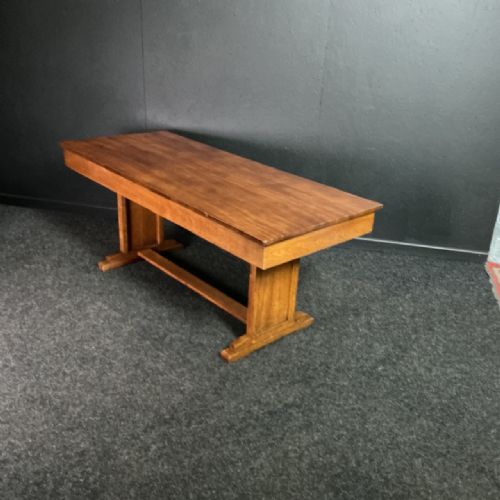


Oak Dining Room Table
An oak dining room table anchors the home with dependable grain and solid construction, ready for daily meals and large gatherings alike.
Oak Dining Room Table
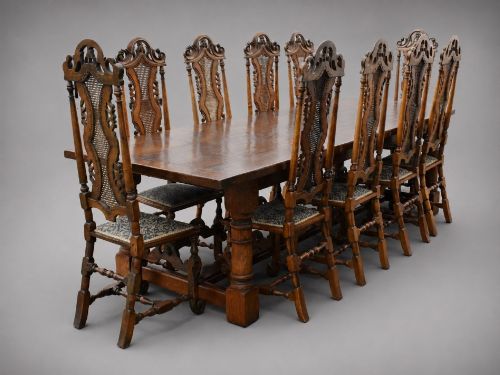
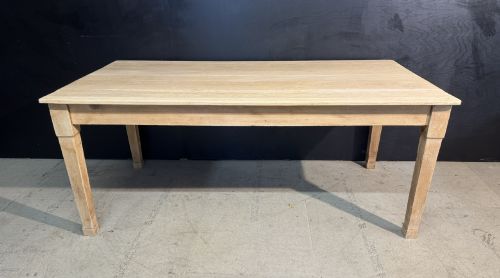
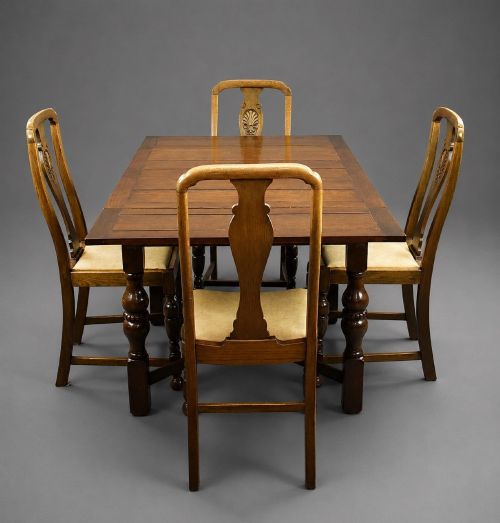
An oak dining room table brings substantial timber and historic character directly into the heart of the home. These pieces range from substantial extending boardroom formats to compact kitchen formats, often appearing alongside matching chairs or sideboards.
The pieces on this page span several distinct periods, including the Victorian era, the Edwardian period, and the eighteenth century. Buyers encounter styles stretching from rustic farmhouse and English country house to Gothic revival and Queen Anne.
Alongside standard solid timber variants, the selection includes specialised formats such as draw leaf mechanisms and extending leaves. These functional variations allow the furniture to adapt easily to different room sizes and seating requirements.
Materials and Construction
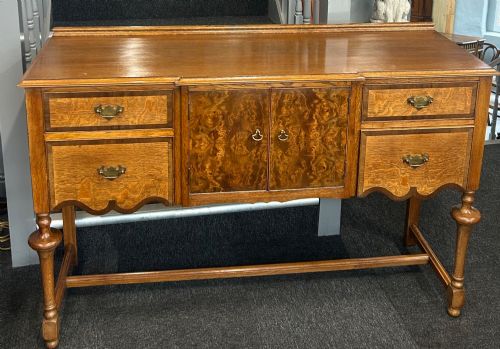
Makers utilised solid oak alongside decorative veneers like pollard oak and burr walnut to create durable surfaces. Brass hardware, iron fixtures, and glass components occasionally appear as supporting elements on related server pieces and tables.
Traditional joinery underpins the construction, ensuring that extending mechanisms and heavy leaves function smoothly over decades of use. Carved details and geometric mouldings demonstrate the handwork applied during periods such as the Arts and Crafts movement and the Gothic revival.
Historic school libraries occasionally yield large tables that once hosted generations of studious children.
Assessing Quality and Craftsmanship
The standard of carving and the selection of timber dictate the distinction between everyday utility pieces and high-end commission work. Superior examples display crisp, hand-chiselled ornamentation and carefully matched grain patterns across extending leaves.
Structural integrity in the mechanism and joints separates well-preserved examples from those requiring extensive intervention. Original hardware and matching suite components elevate the historical interest of the furniture.
Maple and Co·Gillows
The Oak Dining Room Table Glossary
- Draw leaf
- A table design featuring leaves stored beneath the main top that pull out to extend the surface length. This clever mechanism allows quick adjustment without removing loose boards.
- Pollard oak
- Timber taken from trees that were cut back to promote a dense branch crown, resulting in a highly figured grain pattern. Cabinet makers valued this wood for decorative panels and tabletops.
- Dumbwaiter
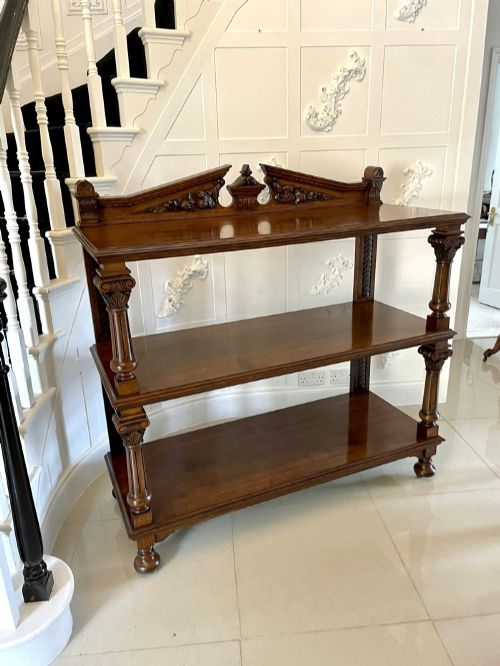
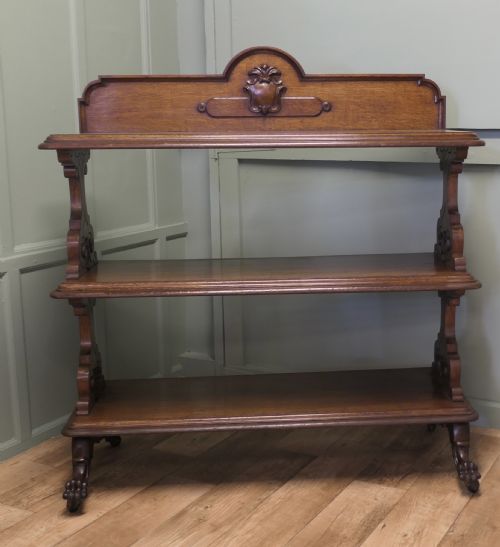
- A tiered serving stand used to hold dishes and utensils near the dining table. These pieces often feature revolving or fixed circular tiers supported on a central column.
- Gothic Revival
- A nineteenth-century design movement inspired by medieval architecture, characterised by pointed arches, trefoils, and heavy carved tracery. Furniture in this style displays dramatic proportions and sombre timber tones.
- Dresser base
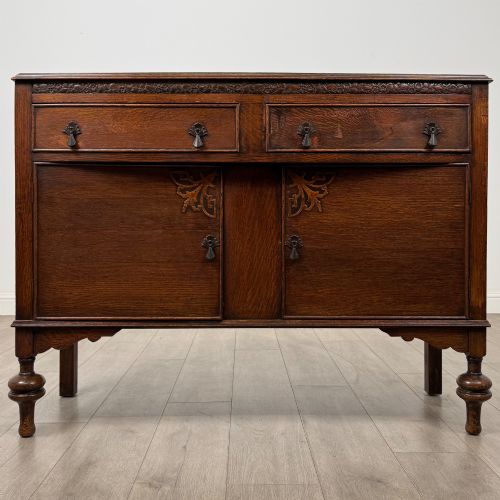
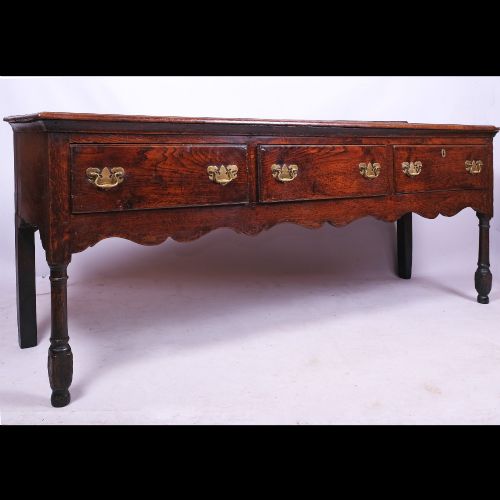
- A low cabinet featuring drawers and sometimes cupboards, originally utilised in dining rooms and kitchens for storage and serving. These pieces often possess robust oak tops suitable for food preparation.
Oak Dining Room Table: Frequently Asked Questions
How do I measure for an extending table?
Measure your dining room space while allowing sufficient clearance for chairs to pull out comfortably on all sides. Account for the maximum length when the leaves are fully deployed.
Consider the daily footprint versus the extended size needed for hosting guests. Leave at least ninety centimetres of space between the table edge and surrounding walls or furniture.
How do I identify the period of a table?
Examine the construction methods, tool marks, and hardware styles visible beneath the tabletop and inside the frame. Hand-sawn boards and pegged joints often indicate earlier craftsmanship.
Compare the decorative motifs, such as geometric carvings or revival styling, against known historical periods. Pollard oak usage and specific extending mechanisms also provide strong chronological clues.
Can I use an antique table daily?
Solid oak construction provides the natural strength and durability required for regular family meals. These pieces were built for heavy domestic use over generations.
Taking basic precautions with placemats and coasters protects the historic finish from daily wear. Regular use allows you to enjoy the character and patina of the timber.