
Oak Chest Desk
When you search for an oak chest desk, you are tracking down substantial writing furniture that combines compartmented storage with a practical writing surface.
Oak Chest Desk
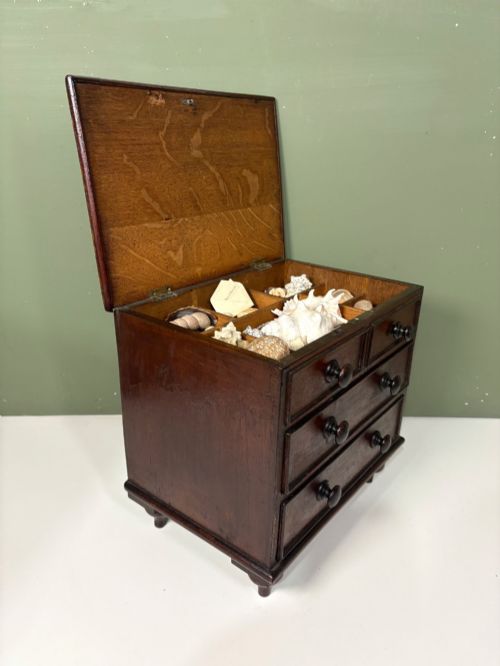
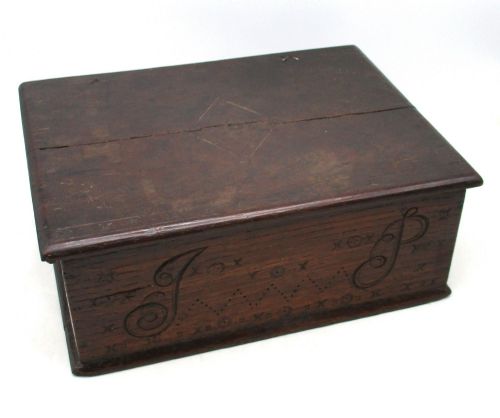
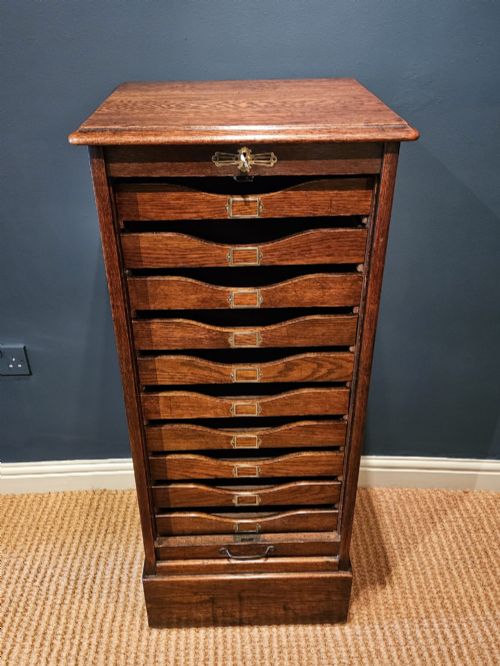
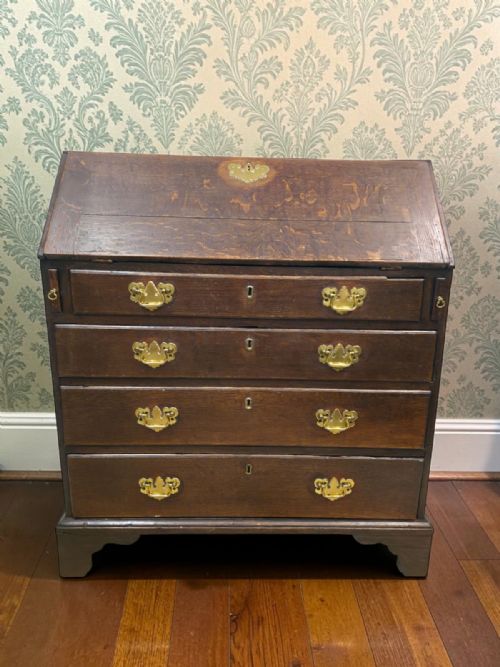
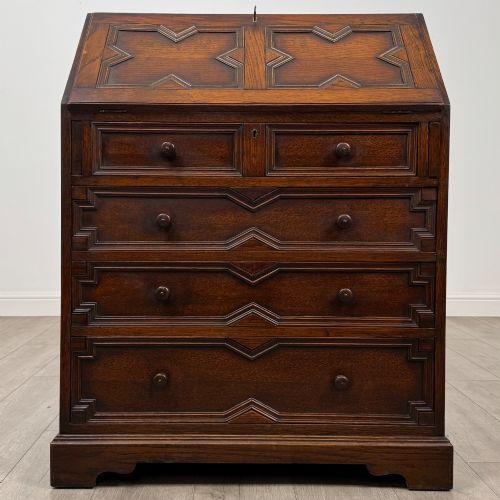
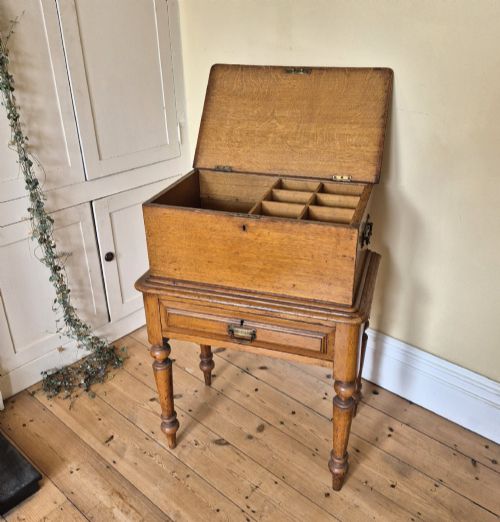
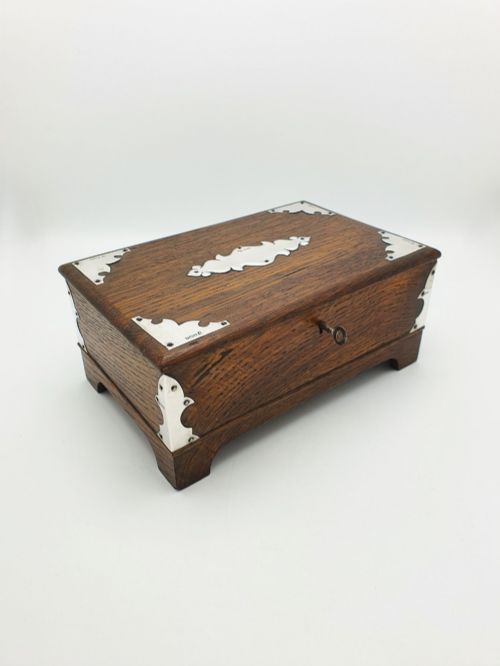
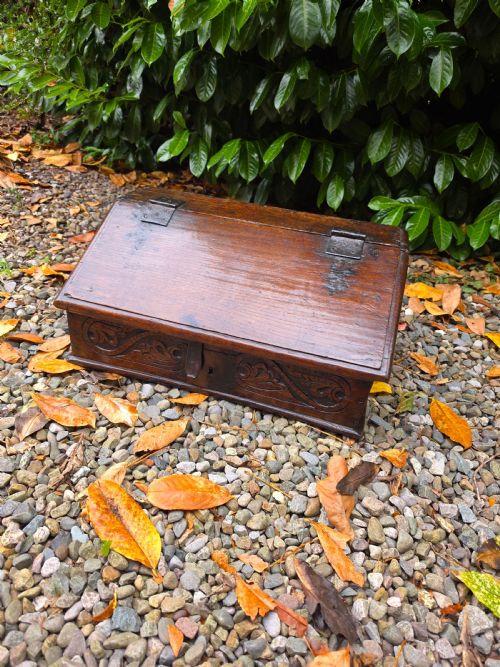
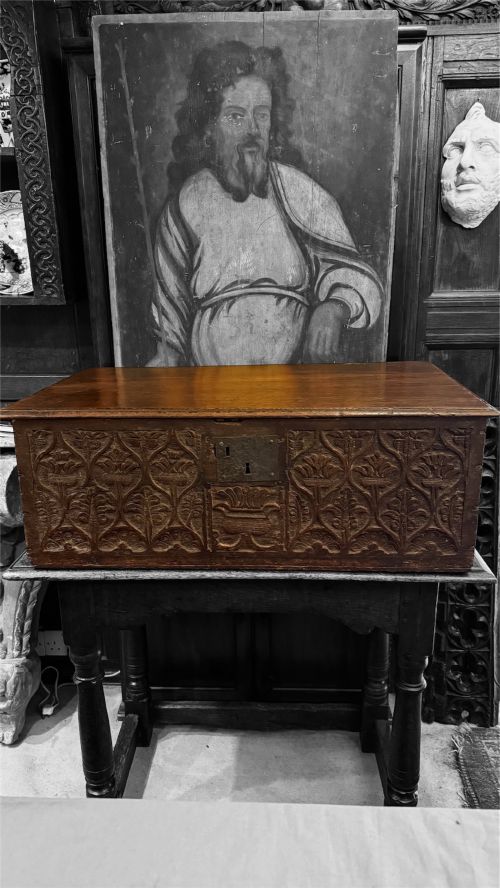
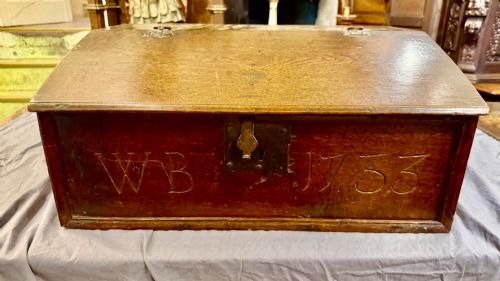
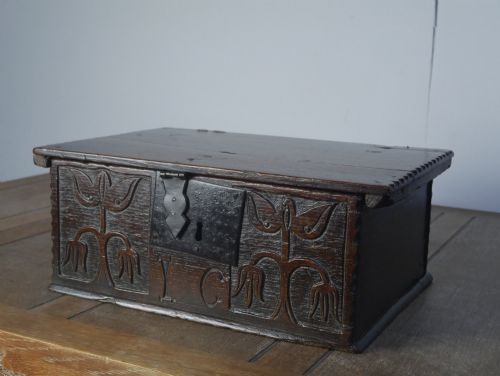
When searching for an oak chest desk, you encounter pieces that bridge the gap between heavy storage chests and dedicated writing furniture. These hybrid forms range from compact seventeenth century desk boxes and bible boxes to larger eighteenth century bureau desks and tall fall front writing cabinets.
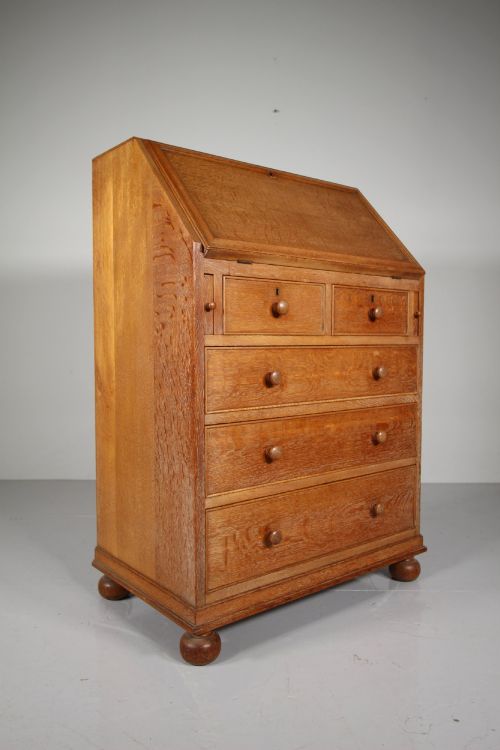
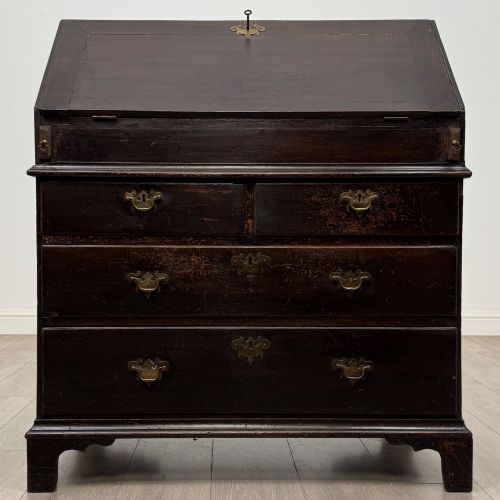
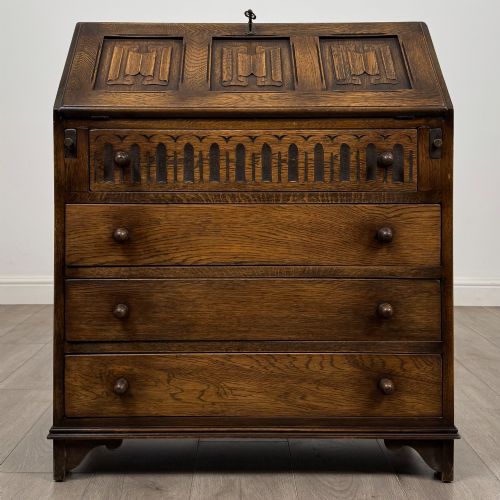
The versions most commonly met on this page span the seventeenth, eighteenth, and nineteenth centuries, alongside twentieth century revivals. You will frequently find bureau bookcases, fall front writing desks, and modular filing cabinets constructed primarily from solid oak.
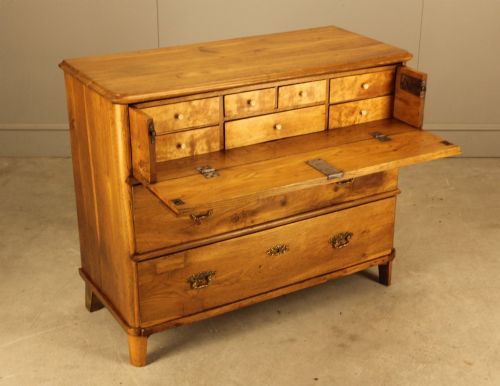
Makers often integrated internal drawers, pigeonholes, and secret compartments beneath sloped lids or drop fronts. These functional compartments allowed owners to store documents, writing implements, and valuables securely within a single piece of furniture.
How they were made
Cabinetmakers built these pieces using solid timber, frequently employing frame and panel construction to accommodate the natural seasonal movement of oak. Joints were secured with pegged mortise and tenon construction on older pieces, ensuring structural stability over centuries of daily use.
Hardware played an essential structural and decorative role, featuring hand forged iron hinges, brass drop handles, and complex steel locks. Secondary woods such as pine or mahogany appear inside drawer linings, while decorative flourishes sometimes include carved linenfold patterns, wood inlay, or brass mounts.
Many seventeenth century bible boxes feature small hidden drawers inside, built specifically for stashing secret ink bottles and private letters.
What varies in quality
The standard of a piece depends heavily on the crispness of hand carving, the thickness of the timber used for drawer bottoms and carcases, and the survival of original hardware. Finer examples retain their matching period brasses and complex functional locking mechanisms.
Proportion and architectural harmony also separate standard utility items from exceptional workshop output. Pieces attributed to notable makers display meticulous interior detailing, tight joinery, and carefully selected quartersawn oak grain.
Heals·Lamb of Manchester·Simpoles of Manchester·Shapland and Petter
The Oak Chest Desk Glossary
- Bureau
- A writing desk featuring a sloping lid that drops down to reveal a fitted interior of small drawers and pigeonholes. It often sits upon a chest of structural drawers.
- Bible box
- A portable desk box with a slanted lid, originally designed to hold heavy texts and documents. These compact items date primarily from the seventeenth and eighteenth centuries.
- Fall front
- A vertical writing flap that pulls down or hinges forward to create a horizontal desk surface. This mechanism conceals internal document storage when closed.
- Quartersawn oak
- Timber cut perpendicular to the growth rings, producing a durable board with distinctive figuring known as medullary rays. Cabinetmakers utilised this cut for stability and visual appeal.
- Secretaire
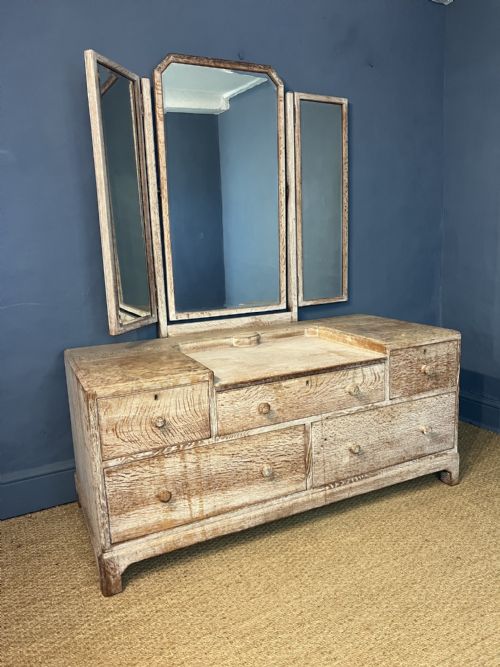
- A cabinet or chest of drawers containing a concealed writing drawer with a drop down front. This allows a standard piece of bedroom furniture to function as a writing desk.
Oak Chest Desk: Frequently Asked Questions
What is the difference between a bible box and a bureau?
A bible box is a portable tabletop box with a sloped lid, designed for writing or holding single volumes.
By contrast, a bureau is a larger standalone piece of furniture that usually incorporates a chest of drawers beneath the writing flap.
How do I date an early oak writing desk?
Dating relies upon examining construction methods, such as hand cut dovetails, forged iron hardware, and pegged joints. Tool marks and the ageing patterns of the oak timber provide further clues to the century of manufacture.
Stylistic motifs like linenfold carving or geometric mouldings also help narrow down the period of origin.
Were these desks used in offices or homes?
These forms served both domestic and administrative functions depending on their size and internal arrangement. Smaller boxes and sloping desks were kept in parlours or carried between rooms for personal correspondence.
Larger bureau bookcases and filing cabinets equipped offices, libraries, and studies for commercial record keeping.
How should I care for antique oak furniture?
Solid oak benefits from consistent indoor humidity and placement away from direct heat sources. Applying traditional beeswax polish periodically helps nourish the timber and maintain a soft lustre.
Avoid synthetic sprays or excessive moisture, which can damage the aged patina of the wood.