
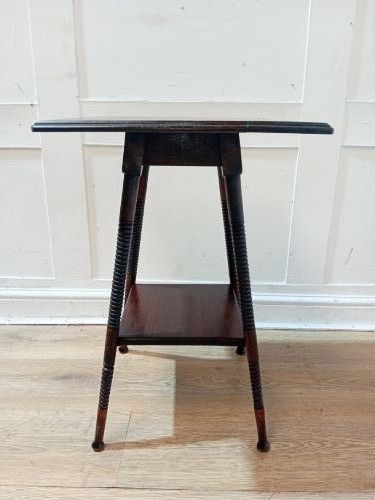
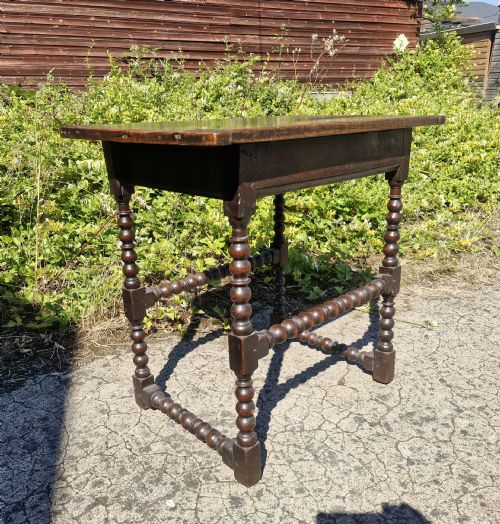
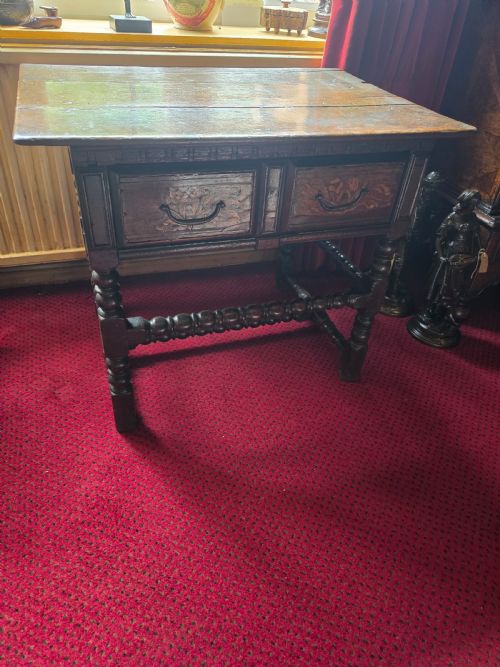
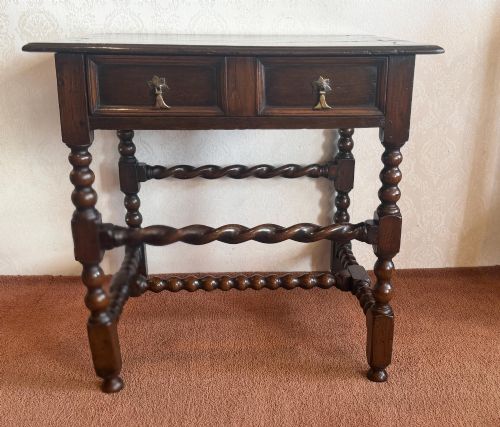
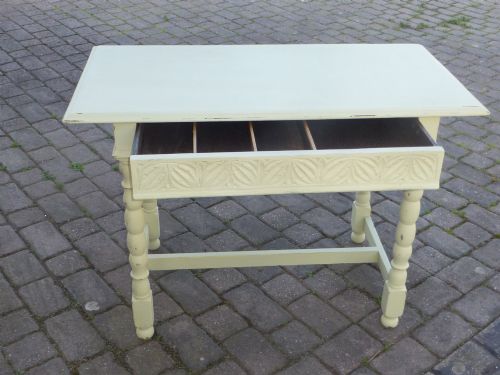


Oak Bobbin Hall Table
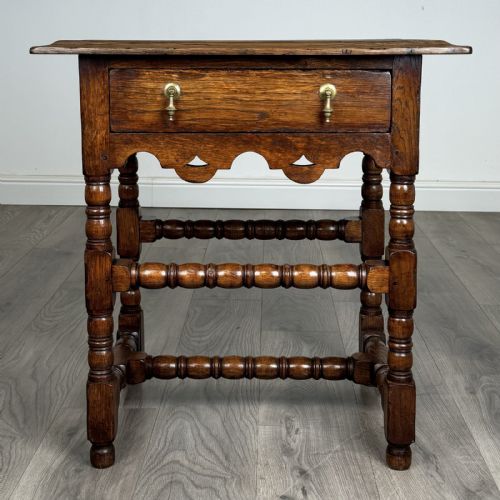
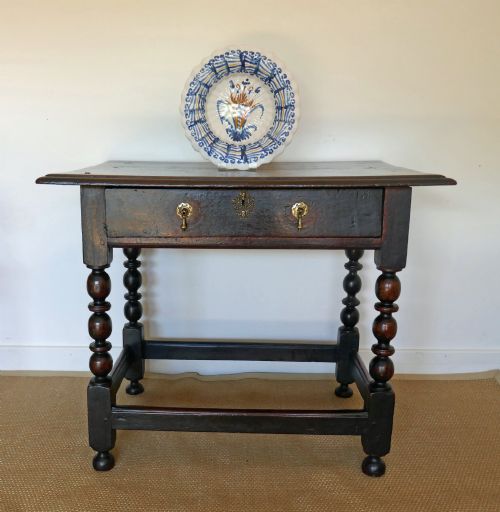
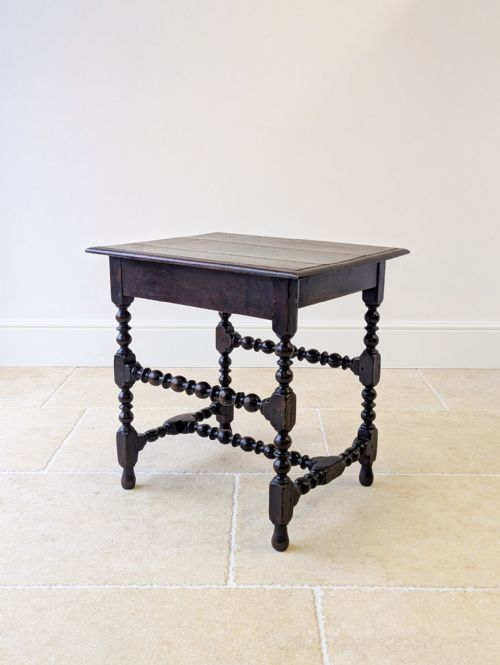
An oak bobbin hall table brings structural turnings and practical surface space into an entrance, offering robust utility rooted in seventeenth-century traditions.
Oak Bobbin Hall Table
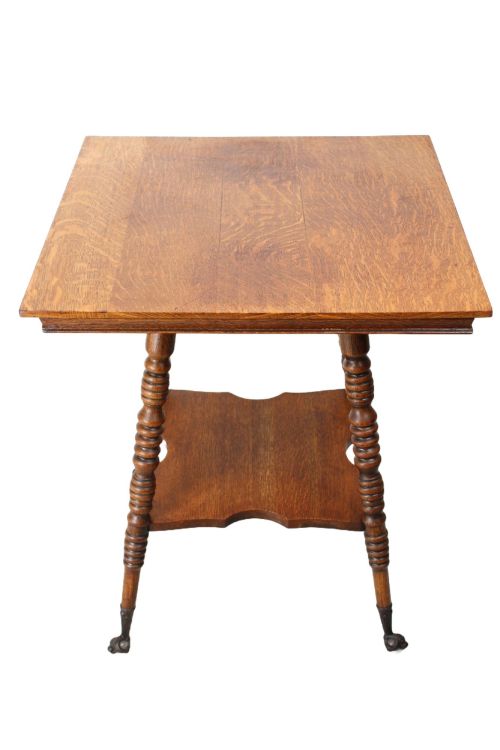
When searching for an oak bobbin hall table, you encounter compact side and console forms designed for narrow spaces. These tables originate from periods spanning the seventeenth century through the Victorian era and later revivals.
The most common examples on this page date to the nineteenth century, utilising Jacobean revival styles to emulate earlier centuries. They serve as functional furniture with distinctive turned supports positioned in hallways and reception areas.
How they were made
Carpenters constructed these tables primarily using solid oak, sometimes combining elm or stained hardwood for secondary components. Wood inlay, brass hardware, and iron fittings appear on select pieces to add detail and secure joints.
Turnery lathes shaped the characteristic spool or bobbin legs from solid timber blocks. Joinery methods relied on traditional peg and mortise techniques to ensure stability across centuries of domestic use.
One nineteenth-century piece proudly bears a carved date of 1661, proving that historical enthusiasm started long before our own.
What varies in quality
Quality rests in the precision of the bobbin turnings and the selection of timber. Dense grain patterns and substantial proportions separate robust examples from lighter revival pieces.
Original construction integrity and surface patination dictate the standing of a table. Tables retaining their early structural timbers demonstrate superior craftsmanship compared to heavily restored variants.
LIBERTY of LONDON·WILLIAM BIRCH
The Oak Bobbin Hall Table Glossary
- Bobbin-turned
- A method of woodturning that creates a series of rounded spool shapes along the length of a furniture leg. This decorative turning became popular during the seventeenth century.
- Side table
- A small functional table designed to stand against a wall rather than in the centre of a room. These pieces often feature a single drawer beneath the top surface.
- Console table
- A table supported against a wall by console brackets or legs, functioning similarly to a hall table. They provide surface areas in narrow corridors and entranceways.
- Jacobean revival
- A nineteenth-century design movement that imitated the heavy oak forms and decorative turnings of the early seventeenth century. Makers utilised these historical motifs to create period-style furniture for Victorian homes.
Oak Bobbin Hall Table: Frequently Asked Questions
How do I spot a genuine seventeenth-century table?
Examine the construction methods, tool marks, and timber shrinkage visible beneath the frame. Seventeenth-century examples display hand-cut joinery and authentic surface ageing rather than machine shaping.
Compare the turning profiles and wood density against documented pieces from the same period. Original patination develops naturally through centuries of exposure and handling.
Where should I place a hall table?
Position your table in an entrance hallway or narrow passage where surface space is required. The compact footprint fits against walls without obstructing movement.
Keep the piece away from direct heat sources and strong sunlight to protect the oak timber and finish. Use the surface for everyday items or decorative objects.
What is the difference between side and hall tables?
Side tables and hall tables share similar rectangular forms with legs and optional drawers. Historically, makers designed side tables for general rooms and hall tables specifically for entranceways.
Modern categorization often treats these terms interchangeably based on proportions and placement. Both function effectively as narrow console surfaces against walls.
How do I care for antique oak?
Apply traditional beeswax periodically to nourish the dry oak timber and maintain the surface sheen. Avoid liquid polishes containing silicones that can penetrate open wood grains.
Maintain stable room humidity to prevent the timber from splitting or warping. Dust the carved details and turnings gently with a soft dry cloth.